Protein intake for women over 40 does not require a special high-protein diet. The established adult RDA is 0.8 grams per kilogram of body weight per day for healthy adults, while actual needs can vary with exercise, pregnancy, calorie intake, illness, recovery, and medical conditions. Prioritize protein-rich foods across regular meals, pair adequate protein with strength training, and use powders only when they provide useful convenience.
Key Takeaways
- The established adult protein RDA is 0.8 grams per kilogram of body weight per day.
- Turning 40 or entering perimenopause does not create a separate federal protein requirement.
- Exercise, especially resistance training, can change practical protein needs and is important for maintaining muscle and physical function.
- Both animal and plant foods can contribute useful protein when the overall diet provides enough energy and variety.
- Spreading protein-containing foods across meals is practical, but research has not established one ideal meal-by-meal pattern for every woman over 40.
- Women with chronic kidney disease or another condition affecting nutrition should get individualized protein guidance.
Why Protein Matters After 40
Protein supplies amino acids that your body uses to maintain and repair muscle, skin, connective tissue, organs, enzymes, hormones, and many other structures. It also supports normal immune function and recovery from everyday physical activity.
These functions do not suddenly change on your 40th birthday. Midlife does, however, provide a useful opportunity to pay more attention to muscle health, physical activity, dietary quality, and long-term prevention.
Some women also begin perimenopause in their 40s. Hormonal changes can occur alongside changes in body composition, sleep, activity, appetite, and recovery. Protein can support a healthy eating pattern during this stage, but it is only one part of maintaining muscle and overall health.
Midlife principle: think about protein together with resistance training, enough total food, sleep, and overall dietary quality rather than treating protein as a stand-alone anti-aging strategy.
How Much Protein Do Women Over 40 Need?
The established Recommended Dietary Allowance for healthy adults is 0.8 grams of protein per kilogram of body weight per day. The RDA represents an intake designed to meet the needs of nearly all healthy people in the group rather than an optimal performance target for every individual.
To estimate the RDA, divide body weight in pounds by 2.2 to convert it to kilograms, then multiply by 0.8. For example, 154 pounds is about 70 kilograms, which corresponds to 56 grams of protein per day using the standard adult RDA formula.
That calculation is a general reference, not a personalized prescription. A woman who strength trains regularly, competes in endurance sports, is pregnant, is recovering from illness, is eating substantially fewer calories, or has a medical condition may have different needs.
Do not confuse the RDA with a maximum. It is a population reference for adequacy. Whether eating more is useful depends on training, total diet, health, and the reason for increasing protein.
Does Protein Need Increase at Age 40?
Current U.S. dietary reference values do not create a separate protein RDA beginning at age 40. Healthy women in their 40s remain within the standard adult recommendation.
That does not make protein unimportant during midlife. It means age alone is too simple a way to determine an individual target. Training status, current intake, calorie balance, body size, medical history, and overall food pattern provide more useful context.
A 2025 systematic review reexamining protein requirements across life stages noted that the underlying Dietary Reference Intake framework has not been updated since 2005. Research continues to examine whether current protein recommendations should be refined, but that ongoing scientific discussion is different from having a new official protein requirement for women over 40.
Protein During Perimenopause and Menopause
Perimenopause can begin during the 40s, although timing differs widely. Changes in estrogen occur alongside other factors that may influence muscle, body composition, bone health, sleep, and exercise recovery.
The Office on Women’s Health emphasizes physical activity and muscle-strengthening exercise as part of healthy midlife and menopause care. It also recommends a balanced eating pattern that provides essential nutrients.
No federal guideline establishes a menopause-specific protein number for all women. That is important because online recommendations can sometimes present a single high target as though every woman in perimenopause requires it.
Recent research in premenopausal and postmenopausal women suggests that dietary protein can support body-composition goals in some interventions, particularly when combined with exercise or calorie restriction. Those studies use different diets and training programs, however, so they do not establish one universal midlife intake.
Protein and Muscle Health After 40
Protein gives your body the amino acids needed for muscle tissue, but food alone does not provide the full stimulus for maintaining or building strength. Resistance exercise directly challenges muscle and encourages adaptation.
The Office on Women’s Health recommends muscle-strengthening exercise on at least two days each week. Strength work can use free weights, machines, resistance bands, or body weight.
A useful approach is therefore to pair adequate dietary protein with regular strength training. Increasing protein while remaining inactive should not be expected to create the same response as combining nutrition with a progressive training stimulus.
For muscle support: protein supplies building material; resistance training supplies the signal to adapt. Both pieces matter.
Should You Spread Protein Across the Day?
Many people eat relatively little protein at breakfast and lunch, then consume most of it at dinner. Adding a protein food earlier in the day can make total intake easier to achieve and may create a more balanced meal pattern.
Research has explored whether breakfast protein or a more even distribution improves muscle outcomes. A 2024 scoping review found possible benefits for muscle mass in some studies, but results for strength remained unclear.
Newer evidence adds caution. A 2026 systematic review and meta-analysis of randomized trials in adults age 60 and older found very uncertain evidence and no clear improvement in muscle mass, grip strength, lower-body strength, or physical performance from additional morning protein.
For women over 40, this means meal distribution can be a practical strategy, but science does not support presenting one breakfast protein dose or timing pattern as mandatory.
Best Protein Foods for Women Over 40
The 2025–2030 Dietary Guidelines emphasize whole, nutrient-dense foods. Protein can come from many animal and plant sources, and variety helps the rest of the diet provide vitamins, minerals, healthy fats, fiber, and other nutrients.
- Fish and seafood
- Chicken, turkey, and other poultry
- Eggs
- Greek yogurt and cottage cheese
- Milk and fortified soy milk
- Beans, peas, and lentils
- Tofu, tempeh, edamame, and other soy foods
- Nuts and seeds
- Lean meat when included in your eating pattern
You do not need to choose only one type of protein. A varied eating pattern can include both plant and animal foods, or it can rely entirely on plant-based sources when planned appropriately.
Animal Protein vs. Plant Protein
Animal foods such as eggs, dairy, fish, poultry, and meat generally provide all essential amino acids in substantial amounts. Many plant foods also contribute meaningful protein, although their amino-acid profiles and protein density differ.
You do not need to combine complementary plant proteins in the same meal. Eating a varied diet across the day can provide essential amino acids when total protein and energy intake are adequate.
Plant protein foods can also contribute fiber and other nutrients. Beans, lentils, soy foods, nuts, seeds, and whole grains can therefore play an important role even in diets that also include animal protein.
A recent systematic review in pre- and postmenopausal women found more consistent body-composition changes in some interventions using animal-based protein, but many of those programs also included calorie restriction or supervised exercise. The results do not prove that animal protein is inherently superior for every woman.
A Simple Protein-Rich Day
| Meal | Protein-focused idea |
|---|---|
| Breakfast | Greek yogurt with berries, oats, and nuts, or eggs with whole-grain toast and vegetables |
| Lunch | Lentil bowl, tofu grain bowl, or chicken salad with vegetables and whole grains |
| Snack if needed | Cottage cheese, yogurt, edamame, or fruit with nuts |
| Dinner | Fish, tofu, beans, poultry, or another protein food with vegetables and a preferred whole-food carbohydrate |
This table illustrates how protein can appear throughout the day without turning every meal into a high-protein challenge. Portions should match appetite, total energy needs, health, and dietary preferences.
How to Increase Protein Without Rebuilding Your Entire Diet
- Add Greek yogurt or fortified soy yogurt to breakfast.
- Include eggs, tofu, beans, or cottage cheese with a morning meal.
- Add beans or lentils to soups, salads, grain bowls, and wraps.
- Choose fish, tofu, poultry, beans, or another protein source as a clear part of lunch and dinner.
- Use milk or fortified soy milk instead of a low-protein beverage when it fits the meal.
- Keep a convenient protein food available for days when cooking is difficult.
Small additions often work better than suddenly doubling every portion of meat or buying several supplements. Increase intake for a clear reason and keep the rest of the diet balanced.
Protein Intake and Strength Training
Women who perform regular resistance exercise may find that the basic RDA does not fully reflect their training goals. Sports-nutrition recommendations often use higher ranges for active people, but those ranges are not the same as the federal RDA and should not be presented as a requirement for every woman over 40.
If your goal is to build muscle, recover from demanding training, or manage nutrition during a calorie deficit, a registered dietitian with sports-nutrition experience can help establish an appropriate intake based on body size, training volume, total calories, and medical history.
You do not need to consume protein immediately after the final repetition of a workout. Total daily intake, adequate meals, and consistent training matter more than treating a narrow post-workout window as an emergency.
Does More Protein Help With Weight Management?
Protein can influence fullness and can help support lean tissue during some weight-management programs. That does not make a high-protein diet an automatic solution for midlife weight changes.
Body weight reflects total energy intake, physical activity, sleep, medications, health conditions, genetics, menopause-related changes, and many other factors. Simply adding protein to an unchanged diet may also add calories.
A 2026 systematic review of randomized trials in pre- and postmenopausal women found that some protein interventions improved body-composition measures. Many successful interventions also used supervised exercise or calorie restriction, making it difficult to isolate protein as the sole cause.
Avoid the shortcut claim: higher protein may be useful within a structured plan, but it does not override total diet, exercise, sleep, or individual metabolic and medical factors.
Do You Need Protein Powder?
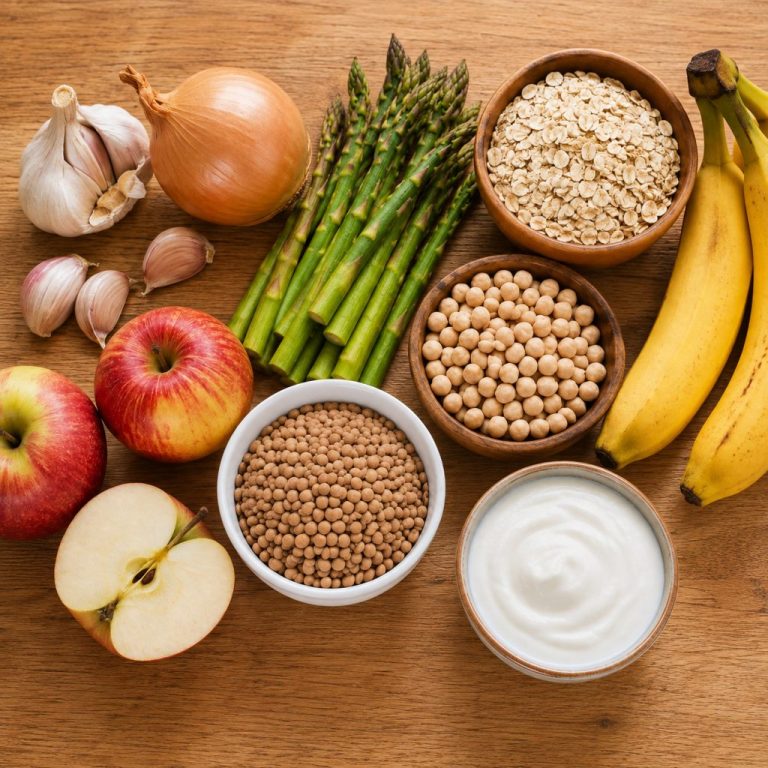
Protein powder is optional. Whole foods such as yogurt, eggs, cottage cheese, fish, poultry, tofu, beans, lentils, milk, soy foods, nuts, and seeds can supply protein without a supplement.
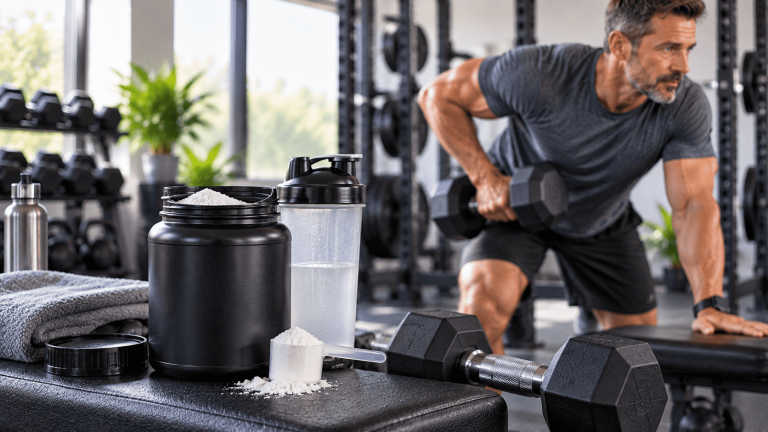
A powder can still make sense when breakfast is rushed, appetite is low, travel limits food choices, or training makes protein goals difficult to meet through meals alone.
Compare serving size, protein content, added sugar, sodium, and ingredients. Do not assume that a powder becomes better because it contains a long list of herbs, greens, collagen, digestive enzymes, or other additions.
What Does the 50-Gram Protein Daily Value Mean?
Food labels use standardized Daily Values to help consumers compare products. The FDA Daily Value for protein is 50 grams for adults and children age four and older.
That number is not your personalized protein requirement. NIH explains that Daily Values serve as food-label references, while RDAs and Adequate Intakes vary by age, sex, and other circumstances.
Use the Nutrition Facts label to compare products, then use your individual nutrition plan—not the label’s standard reference—to decide how much protein you need overall.
Protein and Kidney Health
Protein advice changes when chronic kidney disease is present. NIDDK explains that protein creates waste products that healthy kidneys normally remove from the blood. Damaged kidneys may have more difficulty handling these wastes.
Some people with chronic kidney disease need moderate or reduced protein intake, while people receiving dialysis may need more. The appropriate amount depends on kidney function, nutritional status, treatment, and other medical factors.
Do not begin an aggressive high-protein diet because of a fitness trend if you have kidney disease. Work with a clinician and, when available, a registered dietitian who understands kidney nutrition.
Important: kidney disease changes protein planning. Generic advice to “eat more protein after 40” may be inappropriate when kidney function is reduced.
Common Protein Mistakes Women Over 40 Make
Assuming Every Woman Needs the Same High Target
A single number cannot account for body size, exercise, total calorie intake, pregnancy, health conditions, or specific performance goals. Start with established references and individualize when needed.
Eating Most Protein at Dinner
A dinner-heavy pattern can make breakfast and lunch less substantial. Adding a protein food earlier in the day can make total intake easier without requiring exact meal timing.
Replacing Fiber-Rich Foods With Protein Products
Protein bars, shakes, and meat-heavy meals should not crowd out fruits, vegetables, beans, whole grains, nuts, and seeds. A balanced diet needs more than amino acids.
Using Protein as a Substitute for Strength Training
Protein supports muscle tissue, but progressive resistance exercise supplies an important stimulus for preserving and developing strength.
Assuming Protein Powder Is Required
Powders can save time, but they are convenience foods rather than an age-based requirement. Many women can meet their needs through regular meals.
Ignoring Kidney Disease or Other Medical Conditions
Medical conditions can change both the amount and type of protein that fits your diet. Follow individualized clinical guidance instead of generic social-media targets.
When to Get Individual Protein Guidance
Many healthy women can use the standard adult protein recommendation as a starting reference and build a varied diet around whole protein foods. Individual guidance becomes more useful when your circumstances move beyond general nutrition.
- You have chronic kidney disease or reduced kidney function.
- You are pregnant or breastfeeding.
- You train intensively for strength or endurance sports.
- You are recovering from major illness, injury, or surgery.
- You follow a highly restrictive diet or have difficulty eating enough.
- You have unexplained weight loss, weakness, loss of muscle, or another concerning symptom.
A registered dietitian can translate medical needs, training goals, food preferences, and total calorie requirements into a practical protein plan.
Frequently Asked Questions
The Bottom Line
Protein intake for women over 40 does not require a universal high-protein target. The established adult RDA of 0.8 grams per kilogram per day provides a useful starting reference for healthy adults, while exercise, pregnancy, recovery, calorie intake, and medical conditions can change individual needs.
Build meals around a variety of protein-rich foods, include plant sources when you enjoy them, and pair adequate nutrition with regular resistance training. Protein powder can improve convenience but is not required. Women with kidney disease or more specialized nutrition and training needs should use individualized guidance rather than generic midlife protein rules.
Medical disclaimer
Medical disclaimer: This content is for educational and informational purposes only and is not a substitute for professional medical advice, diagnosis, or treatment. Dietary needs and supplement suitability vary by individual.
Sources
- U.S. Department of Health and Human Services and U.S. Department of Agriculture. Dietary Guidelines for Americans, 2025–2030. 10th Edition. January 2026.
- National Institutes of Health, Office of Dietary Supplements. Daily Values. Accessed September 2026.
- Office on Women’s Health. Menopause and Your Health. U.S. Department of Health and Human Services. Updated March 12, 2025.
- Office on Women’s Health. Sarcopenia and Menopause. U.S. Department of Health and Human Services. Accessed September 2026.
- National Institute of Diabetes and Digestive and Kidney Diseases. Healthy Eating for Adults With Chronic Kidney Disease. Accessed September 2026.
- Li M, Sun F, Piao JH, Yang XG. Effect of Breakfast Protein Intake on Muscle Mass and Strength in Adults: A Scoping Review. Nutrition Reviews. 2024.
- Ikeda T, Tashiro N, Ohtsuka H, et al. Protein or Amino Acid Intake at Breakfast for Muscle Mass Gain in Older Adults: A Systematic Review and Meta-Analysis. Food Science & Nutrition. 2026;14(7):e72171.
- Evaluation of Dietary Protein and Amino Acid Requirements: A Systematic Review. American Journal of Clinical Nutrition. 2025.
- Dietary Intake of Animal and Plant-Based Protein on Adiposity Measurements and Body Composition in Pre- and Postmenopausal Women: A Systematic Review of Randomized Clinical Trials. 2026.