
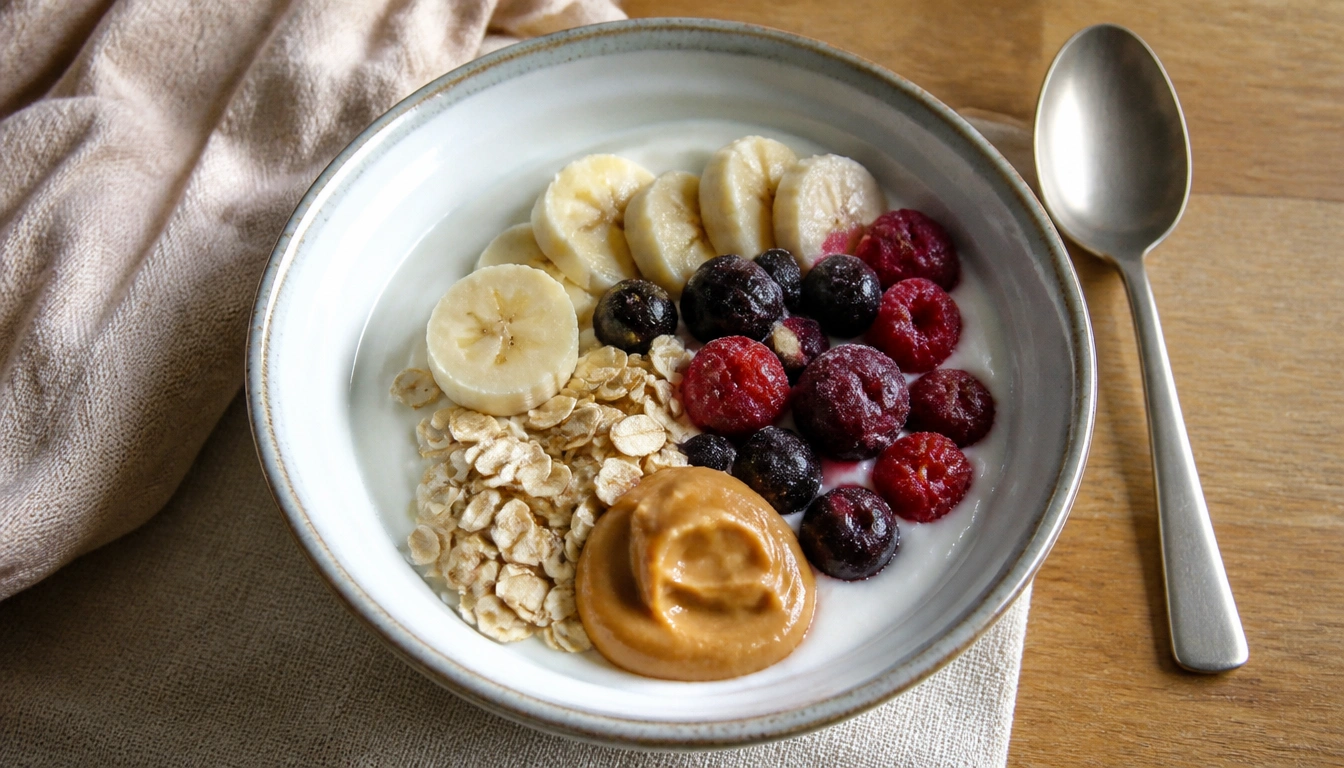
You can make a healthy, satisfying yogurt bowl cheaply by starting with a large tub of plain yogurt, then adding low-cost toppings like frozen fruit, bananas, oats, peanut butter, and seeds. Plain yogurt usually costs less per serving than single-serve flavored cups and gives you control over sweetness. If you want more staying power, Greek yogurt can be worth the extra cost because it is typically higher in protein.
Key Takeaways
- Buy plain yogurt in a large tub instead of flavored single-serve cups to lower cost and reduce added sugar.
- Use budget toppings such as bananas, frozen fruit, oats, peanut butter, chia, flax, and a small spoon of jam for variety.
- Greek yogurt can be a smart upgrade when you want a more filling bowl with more protein.
- Choose whole-milk yogurt for some toddlers, lower-fat options for some adults, and fortified soy yogurt if you avoid dairy.
- Keep yogurt bowls low in added sugar by flavoring them with fruit and pantry staples instead of dessert-style yogurts.
Why yogurt bowls work for budget shoppers
A yogurt bowl is one of the easiest ways to turn a modest grocery purchase into a balanced breakfast or snack. You get a creamy base plus room to add fruit, grains, nuts, or seeds depending on what is already in the kitchen. That flexibility matters when prices change from week to week. A big tub of plain yogurt usually stretches farther than individual flavored cups, and it lets you decide how sweet the bowl should be.
Public health guidance from the CDC and dietary guidance from the USDA both support keeping added sugars low and choosing nutrient-dense foods more often. Yogurt fits that pattern well when you treat it like a blank canvas rather than a dessert. The best budget bowls are simple, not fancy: one base, one fruit, one fiber-rich topping, and one source of richness or protein.
Choosing the cheapest useful yogurt base
For most budget shoppers, plain regular yogurt is the best place to start. It is usually cheaper per ounce than flavored cups, and it gives you full control over sweetness. That means you are not paying extra for added sugar, fruit syrup, or packaging you do not need. If your store has store-brand tubs, those are often the lowest-cost option.
Greek yogurt can be worth the extra cost when you want more protein and a thicker texture. The higher protein content can make a bowl more satisfying, especially as a breakfast or post-work snack. If your main goal is satiety, Greek yogurt may stretch the meal farther because you may feel full on a smaller portion.
Plant-based yogurt can work too, but the label matters. Fortified soy yogurt is often the most useful dairy-free choice because it can offer better protein than many other plant-based options. Some coconut, almond, or oat yogurts are lower in protein and may contain more starches or added sugars, so they are not always the best bargain. For lactose-free shoppers, a lactose-free dairy yogurt may be a practical middle ground if it fits the budget.
The budget topping formula that keeps bowls filling
A good low-cost yogurt bowl does not need a long list of toppings. A simple formula is enough: fruit for sweetness, fiber for staying power, protein or fat for fullness, and a small amount of flavor if you want it. That structure helps you use affordable ingredients without drifting toward dessert-style bowls.
Fruit: Bananas are usually one of the cheapest fresh options. Frozen berries are often a better deal than fresh out-of-season berries and can be thawed in the fridge or microwaved briefly. Apples, pears, and canned fruit packed in juice can also work if you drain them well.
Fiber and texture: Rolled oats, chia seeds, and ground flaxseed are useful pantry staples. Oats bring bulk and make the bowl more substantial. Seeds add texture and a little healthy fat, and a small amount goes a long way.
Protein and fat: Peanut butter is a budget-friendly way to make a bowl more filling. A spoonful stirred in or drizzled on top adds richness without much fuss. For a sweeter finish, a small spoonful of jam or mashed fruit can give flavor without turning the bowl into a sugar-heavy snack.
Simple yogurt bowl combinations using low-cost ingredients
You do not need specialty granola or expensive toppings to get variety. These combinations use basic grocery-store ingredients and can be adjusted based on what is on sale.
- Banana oat bowl: Plain yogurt, sliced banana, a sprinkle of oats, and a spoon of peanut butter.
- Frozen berry bowl: Greek or regular yogurt, thawed frozen berries, and a little flaxseed for texture.
- Peanut butter jam bowl: Plain yogurt, a swirl of peanut butter, and a small spoon of jam for a PB&J feel.
- Apple pie style bowl: Yogurt with diced apple, oats, and a pinch of cinnamon if you have it.
- Seeded fruit bowl: Yogurt, banana or berries, chia seeds, and a few chopped nuts if budget allows.
- Breakfast oatmeal bowl: Yogurt layered with oats and fruit so it feels closer to a light breakfast than a snack.
- Tropical dairy-free bowl: Fortified soy yogurt with banana and a spoon of oats or seeds.
- Simple toddler bowl: Plain whole-milk yogurt with mashed fruit and soft oats mixed in for a gentler texture.
If you like meal prep, portion dry toppings into small containers ahead of time. That makes it easier to build a bowl quickly and helps keep expensive add-ons from disappearing too fast.
Smart swaps that save money without hurting taste
The easiest way to lower the cost of yogurt bowls is to swap premium ingredients for basic ones that do the same job. Fresh berries are tasty, but frozen fruit often gives you better value. Fancy granola may look convenient, but plain oats are usually far cheaper and still provide body and crunch. Individual honey packets, nut butters with added mix-ins, and dessert-style yogurt cups are usually where budgets quietly disappear.
Try this rule: if the ingredient is mostly there for sweetness, ask whether fruit can do the same job. If the ingredient is mostly there for crunch, ask whether oats or seeds can do it. If the ingredient is mostly there for richness, a small amount of peanut butter or chopped nuts is often enough. You do not need every topping at once; two or three well-chosen ingredients usually make the best bowl.
Store brands also matter. Plain yogurt, oats, frozen fruit, and peanut butter are all categories where generic or store-brand versions often save money without changing the meal much. When budget is tight, a simple bowl with a few dependable ingredients is better than a complicated bowl that uses specialty products only once.
Keeping added sugar low while still tasting good
Public health agencies such as the CDC recommend limiting added sugars, and yogurt bowls are a good place to practice that habit. The easiest way to keep sugar lower is to start with plain yogurt instead of fruit-on-the-bottom or dessert-style products. Those pre-sweetened options can taste convenient, but they often leave you with less control over what is inside the bowl.
Whole fruit is usually the best sweetener. Bananas add natural sweetness quickly, and thawed berries can make plain yogurt taste brighter without much cost. If you want more sweetness, use a small amount of jam or a drizzle of honey instead of building the whole bowl around it. A pinch of cinnamon or vanilla extract can also make a plain bowl taste more complete without adding much sugar.
For families, it can help to serve toppings separately. Let children add fruit or a little jam themselves, but keep the yogurt base plain. That approach makes the bowl feel special without turning every snack into a sugar-heavy food.
When to choose Greek, lower-fat, whole-milk, lactose-free, or fortified plant-based yogurt
The best yogurt depends on the person and the rest of the day’s meals. Greek yogurt is a strong choice when protein and fullness matter most, especially for adults who want a more satisfying breakfast or snack. Lower-fat or nonfat yogurt can fit well for some adults who are watching total calories or saturated fat, as long as the overall diet is balanced.
Whole-milk yogurt can be a useful option for some toddlers and young children because it is more energy-dense and may better match their growth needs. That said, family needs vary, so it is wise to follow pediatric guidance for a child’s age and diet. For adults, there is no single best fat level; the most practical choice is the one that fits the rest of the menu and keeps the bowl satisfying.
If you avoid dairy, fortified soy yogurt is often the most useful plant-based choice because it can offer more protein than many other alternatives. Check labels for protein and calcium fortification, since not all plant-based yogurts are equal. People with milk allergy should avoid dairy entirely, and those with severe lactose intolerance may need lactose-free yogurt or a plant-based option that sits well with them.
Shopping, storage, and prep tips to cut waste
A yogurt bowl becomes much more budget-friendly when you plan around how quickly ingredients will actually be used. Buy yogurt in a size you can finish before it expires. If a large tub is more economical but you are worried about waste, use it for breakfast, snacks, or a quick sauce so it gets used up.
Frozen fruit is especially helpful because it lasts longer than fresh produce and does not require same-week urgency. Keep bananas on the counter for immediate use and freeze overripe ones for later if you like smoother bowls or quick blending. Oats, chia, flax, peanut butter, and jam are shelf-stable enough to stay on hand without much stress.
To save time, make a small topping station in the fridge or pantry. One container for oats, one for seeds, and one for fruit can make weekday bowls almost automatic. If you prefer texture, add crunchy toppings just before eating. If you prefer convenience, stir in the softer ingredients ahead of time and keep the bowl cold until serving.
For food safety, keep yogurt refrigerated and do not leave prepared bowls sitting out for long periods, especially in warm weather. If you are packing one for later, use an insulated lunch bag or keep the toppings and yogurt separate until mealtime.
Frequently Asked Questions
What are the cheapest toppings that still make a yogurt bowl filling and nutritious?
The best low-cost toppings are usually bananas, frozen fruit, oats, peanut butter, chia seeds, and ground flax. They are inexpensive, widely available, and add a mix of sweetness, fiber, and staying power. A small amount of jam can work for flavor, but fruit should do most of the sweetening.
Should I use Greek yogurt, regular yogurt, or plant-based yogurt if I’m shopping on a budget?
Regular plain yogurt is usually the cheapest useful option. Greek yogurt is worth it if you want more protein and a fuller-feeling bowl. For dairy-free shoppers, fortified soy yogurt is often the most practical plant-based choice because it can offer more protein than many other non-dairy yogurts.
How can I keep yogurt bowls from getting too much added sugar?
Start with plain yogurt instead of flavored cups or fruit-on-the-bottom products. Sweeten with whole fruit, a little jam, or cinnamon rather than dessert-style toppings. The CDC recommends limiting added sugars, so the goal is to let fruit do most of the sweetening.
What are easy yogurt bowl combinations using pantry staples like oats, peanut butter, or frozen fruit?
Try plain yogurt with banana, oats, and peanut butter; yogurt with thawed frozen berries and flax; or yogurt with a small spoon of jam and oats. These combinations are cheap, quick, and easy to adapt based on what is already in the kitchen.
Are yogurt bowls a good option for kids, adults trying to lose weight, or people avoiding dairy?
Yes, with the right ingredients. Whole-milk yogurt can work for some toddlers, lower-fat or Greek yogurt may suit many adults, and fortified soy yogurt can work for people avoiding dairy. For weight management, the most helpful approach is usually plain yogurt with fruit and other low-sugar toppings.
The Bottom Line
A budget-friendly yogurt bowl is usually built from plain yogurt, one fruit, one fiber-rich topping, and a little extra flavor if needed. That keeps the meal affordable, filling, and easier to control for sugar.
Frozen fruit, bananas, oats, peanut butter, and seeds are the workhorse ingredients. Greek yogurt can be worth the extra cost when you want more protein, while fortified soy yogurt is often the best dairy-free bargain.
If you keep the base plain and let whole foods do the sweetening, yogurt bowls can stay simple enough for busy weekdays and flexible enough for families, students, and anyone watching the grocery bill.
Medical disclaimer
Medical disclaimer: This content is for educational and informational purposes only and is not a substitute for professional medical advice, diagnosis, or treatment. Dietary needs and supplement suitability vary by individual.
Sources
- Centers for Disease Control and Prevention (CDC) — cdc.gov. Accessed October 2026.
- Centers for Disease Control and Prevention (CDC) — cdc.gov. Accessed October 2026.
- nhsinform.scot — nhsinform.scot. Accessed October 2026.
