
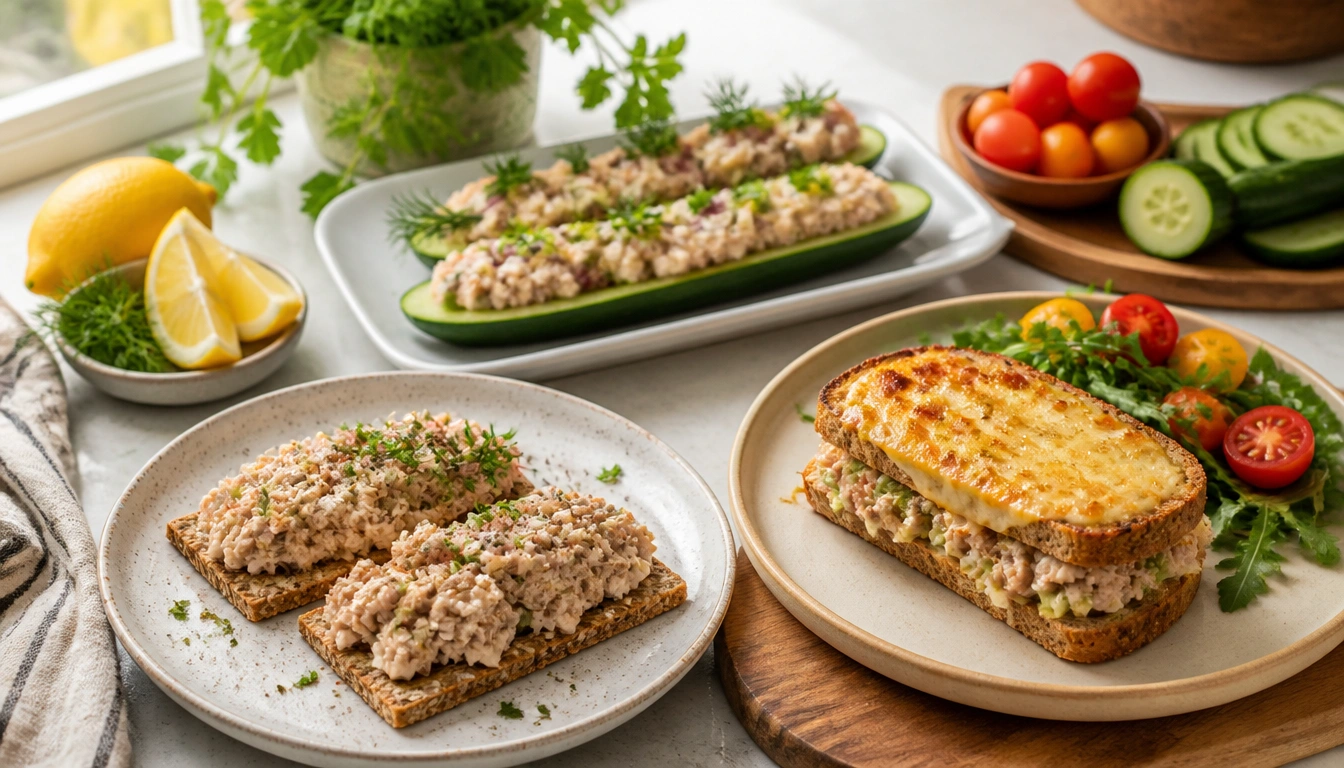
Easy, healthy tuna lunch ideas for adults over 50 usually start with canned light tuna, then add vegetables, beans, whole grains, and a healthy fat such as olive oil or avocado. That approach supports protein needs for muscle maintenance, keeps the meal budget-friendly, and makes it easier to manage sodium and mercury. Simple formats like tuna mash, tuna boats, or a warm tuna melt can still fit aging-related nutrition needs.
Key Takeaways
- Tuna is a practical protein source after 50 because it is quick, affordable, and supplies complete protein plus omega-3 fats.
- For routine lunches, canned light tuna is usually the better everyday choice than albacore because it is a lower-mercury option.
- Build tuna around beans, vegetables, and whole grains so the meal is more filling without relying on heavy mayonnaise or packaged salads.
- Soft textures matter for some adults over 50; tuna mash, tuna boats, and warm melts can be easier to chew and swallow.
- Check sodium on labels and store opened tuna safely, especially if you are packing lunches ahead of time.
Tuna as a smart lunch staple after 50
Tuna works well as a lunch anchor because it checks several boxes that matter more with age: it is quick, affordable, shelf-stable, and naturally high in protein. That makes it easier to build a satisfying meal without much cooking or cleanup. For adults over 50, protein is especially useful because preserving lean muscle becomes more important over time. The National Institute on Aging and other public health groups emphasize staying active and eating enough protein-rich foods to help support muscle maintenance.
Tuna also brings a useful nutrition combination. It provides complete protein, meaning it supplies all the essential amino acids your body needs from food. It also contains omega-3 fatty acids, which are associated with cardiovascular and cognitive support. On top of that, tuna contributes nutrients such as selenium and vitamin D. That does not make tuna a cure-all, but it does make it a strong option when lunch needs to be simple and nourishing.
Another reason tuna is practical is that it adapts easily to smaller appetites. A small tuna lunch can still be nutrient-dense when paired with vegetables, beans, whole grains, or fruit. That matters because many adults over 50 do better with meals that are not overly heavy but still provide enough protein and fiber to carry them through the afternoon.
How to choose tuna for routine lunches
For regular lunches, canned light tuna is usually the better default. The FDA classifies it among its lower-mercury seafood choices, which makes it more suitable for frequent use. Albacore tuna can still fit into a healthy eating pattern, but it generally contains more mercury than canned light tuna, so it is better used less often if tuna shows up in your week more than once.
If you are choosing between water-packed and oil-packed tuna, think about how you want the final lunch to taste and feel. Water-packed tuna is versatile and easy to season yourself. Oil-packed tuna can feel richer and may be useful if you want a fuller-tasting salad or spread. If you choose oil-packed, extra-virgin olive oil is a reasonable option because it adds flavor and a heart-healthy fat profile. If you choose water-packed, you can add your own healthy fat with olive oil, avocado, nuts, or seeds.
Sodium is another point to watch. Tuna itself is usually moderate in sodium, but flavored packets, brined tuna, and prepared tuna salads can contain much more. For adults managing blood pressure or simply trying to keep meals balanced, check the label and rinse tuna if needed. The easiest path is often plain tuna plus your own mix-ins, because that gives you control over both salt and flavor.
| Choice | Best use | Practical note |
|---|---|---|
| Canned light tuna | Routine weekly lunches | Lower-mercury option for regular use |
| Albacore tuna | Occasional variety | Higher mercury than light tuna |
| Water-packed tuna | Flexible salads and mash | Easy to season and control fat |
| Oil-packed tuna | Richer, more filling lunches | Can add flavor without mayonnaise |
Simple tuna lunch formula and a white bean mash
A reliable tuna lunch formula is simple: protein + produce + fiber-rich base + healthy fat. That structure helps turn a basic can of tuna into a more balanced meal without elaborate prep. Think tuna plus beans or whole grains, plus vegetables, plus a small amount of olive oil, avocado, or another unsaturated fat. Lemon, pepper, herbs, mustard, or vinegar can add brightness without piling on sodium.
One of the easiest versions is a Mediterranean White Bean & Tuna Mash. It works because the beans add fiber and a soft, creamy texture that blends well with tuna. Use drained canned light tuna, rinsed cannellini beans, chopped parsley, lemon juice, black pepper, and a drizzle of olive oil. Mash the beans slightly with a fork, fold in the tuna, then season to taste. Serve it on baby spinach, with sliced tomatoes, or with whole-grain crackers if you want something crunchy.
This kind of lunch is especially useful when appetite is lower, because it is not bulky but still feels complete. The bean-tuna combination also makes the meal more filling than tuna alone. If you want more flavor without more effort, add chopped celery, diced cucumber, or a spoonful of no-salt-added relish. For a sodium-aware version, rely on lemon and herbs first, then add only a small amount of salt if it is truly needed.
Crunchy Lemon-Pepper Cucumber Tuna Boats
Cucumber tuna boats are a good choice when you want something light, cool, and easy to assemble. They work especially well in warmer weather or on days when a hot lunch feels unnecessary. The cucumber provides crunch and hydration, while the tuna supplies the protein. This is a simple option for adults who want lunch to feel fresh without cooking.
To make them, cut a cucumber lengthwise and scoop out some of the center so there is room for filling. Mix tuna with lemon juice, black pepper, a small amount of olive oil, and chopped herbs. If you want a little more texture and fullness, add finely diced celery, chopped bell pepper, or a few spoonfuls of canned corn or white beans. Spoon the mixture into the cucumber halves and eat them as open-faced boats.
This style is useful when you are trying to keep lunch lower in calories or when chewing is easier with crisp but tender produce. It also gives you a naturally lower-carb base without forcing a complicated recipe. If you need extra staying power, pair the boats with fruit, whole-grain crackers, or a small bowl of soup.
Warm tuna and veggie skillet melts
Some adults over 50 prefer a softer, more comforting lunch. A warm tuna and veggie melt is a useful option because it is gentle in texture and still very quick. Start with tuna, then add thawed peas, chopped spinach, cooked carrots, or other soft vegetables. Warm the mixture briefly in a skillet or microwave, then spoon it onto toast, an English muffin, or another whole-grain base. Add a thin slice of low-sodium cheese if desired.
Warm lunches can be especially appealing when appetite is low or when cold foods do not sound good. The heat softens the vegetables and makes the tuna easier to eat. It also gives you a simple route to more calories and protein if that is helpful for maintaining weight. For people who need softer foods, the key is to keep textures moist rather than dry. A small amount of olive oil, broth, or tomato can keep the filling from becoming crumbly.
You do not need a casserole dish or an elaborate recipe to make this work. A quick skillet, a toaster oven, or even a microwave can produce a lunch that feels more substantial than a plain tuna salad. If bread is hard to chew, try serving the warm filling over soft rice, mashed potatoes, or cooked pasta instead.
Easy ways to boost fiber and fullness without much cooking
Tuna on its own is protein-rich, but it is not very high in fiber. To make lunch more satisfying, add foods that bring fiber, volume, and color. Canned beans are one of the easiest choices because they require almost no prep. Rinsed chickpeas, cannellini beans, black beans, or lentils all work well with tuna. They stretch the meal, improve fullness, and make the lunch more balanced.
Vegetables can do the same job with very little effort. Baby spinach, chopped tomatoes, cucumbers, celery, shredded carrots, bell peppers, and thawed frozen peas all fit easily into tuna lunches. You can also use whole-grain bread, crackers, brown rice, quinoa, or a whole-wheat wrap as a fiber-rich base. These foods help the meal feel more complete without requiring a long cooking session.
If you want flavor without a heavy sauce, use olive oil, lemon, vinegar, mustard, dill, parsley, or black pepper. These ingredients add interest while keeping the lunch lighter than a mayo-heavy salad. That matters because a tuna lunch can become much more sodium-heavy, less fresh-tasting, and less flexible once it depends on packaged dressings or creamy prepared salads.
A helpful habit is to keep a few no-cook add-ins on hand: canned beans, pouch tuna, whole-grain crackers, cucumbers, olives in moderation, lemons, and bagged greens. With those basics, you can assemble a different tuna lunch most days without needing a new recipe every time.
Texture and appetite adaptations for adults over 50
Some older adults prefer softer textures because of dental changes, dry mouth, swallowing concerns, or simply a smaller appetite. Tuna is naturally adaptable, which makes it useful in those situations. You can mash it with beans, flake it into warm vegetables, mix it with avocado, or soften it with yogurt, olive oil, or a little mustard instead of heavy mayonnaise. The goal is to keep the meal moist and easy to manage.
Smaller portions can also work better than a large plate of food. A modest tuna lunch served with a side of fruit, soup, or soft vegetables may be easier to finish and easier to digest mentally as well as physically. For someone who tires easily at mealtime, breaking lunch into two smaller parts can be helpful: eat the tuna portion first, then have the fruit or crackers later.
Make-ahead tactics can reduce effort without sacrificing freshness. For example, you can pre-rinse beans, wash greens, and chop cucumbers or celery once for several lunches. Keep tuna sealed until you are ready to eat it, then mix only what you need. That approach helps preserve texture and also avoids the common problem of a soggy tuna lunch sitting too long in the fridge.
Safety and practicality notes
Mercury management matters most when tuna appears often in the weekly routine. For that reason, canned light tuna is usually the most practical everyday choice, while albacore is better used less often. If you are trying to meet general seafood guidance, the Dietary Guidelines for Americans recommend at least 8 ounces of seafood per week for adults, but the best pattern still depends on your overall diet and health needs. Variety across fish types can help keep things balanced.
Sodium deserves attention too, especially for adults watching blood pressure. Plain tuna plus your own ingredients is usually a better strategy than flavored tuna salads or highly processed tuna kits. If you use canned beans, rinse them well. Choose low-sodium or no-salt-added items when you can, and lean on lemon, vinegar, herbs, and spices for flavor.
Food safety is also important. Once opened, tuna should be refrigerated promptly and used within a few days. If you are packing lunch ahead, keep it cold until mealtime. For adults with weaker immune systems or anyone who is pregnant or has specific medical restrictions, careful storage matters even more. And if you have chronic kidney disease, significant cardiovascular disease, or another condition that changes your protein target, ask a clinician or registered dietitian how tuna fits your plan.
What guidelines do not say is that healthy tuna lunches have to be elaborate. A simple tuna-and-bean mash, tuna boats, or a warm melt can be just as useful as a carefully plated meal when the ingredients are chosen well. Consistency, food safety, and sensible add-ins matter more than complicated prep.
Frequently Asked Questions
How much tuna is reasonable to eat each week for adults over 50?
A practical approach is to use tuna as part of your overall seafood intake rather than as the only fish you eat. Public health guidance recommends at least 8 ounces of seafood per week for adults. If tuna is a frequent choice, canned light tuna is the more routine option, while albacore is better kept for less frequent use because of mercury concerns.
Should I choose canned light tuna or albacore tuna for regular lunches?
For regular lunches, canned light tuna is usually the better choice because it is lower in mercury. Albacore can still fit into a healthy diet, but it is better as an occasional option rather than the everyday default if you eat tuna often.
What are the best ways to keep tuna lunches lower in sodium?
Start with plain tuna and build the meal yourself. Choose low-sodium or no-salt-added beans and vegetables when possible, rinse canned beans, and use lemon, herbs, pepper, mustard, and olive oil for flavor instead of packaged creamy salads or salty dressings.
How can I make tuna lunches easier to chew and swallow if texture is an issue?
Use moist, soft formats such as tuna mash with beans, tuna mixed into warm vegetables, or tuna served in a soft wrap or on toast with a little olive oil. Keeping the food moist usually makes it easier to eat than a dry tuna salad.
What can I add to tuna to make it more filling and balanced without much cooking?
Add canned beans, baby greens, cucumbers, tomatoes, thawed peas, or whole-grain crackers or bread. These foods increase fiber and volume, while olive oil or avocado can add healthy fat and improve satisfaction without much work.
The Bottom Line
Tuna can be a strong lunch option after 50 because it is simple, affordable, and rich in protein. When you pair it with fiber-rich foods like beans, vegetables, and whole grains, it becomes more satisfying and more aligned with aging-related nutrition needs.
For routine meals, canned light tuna is usually the most practical choice, especially if you want to keep mercury lower. Keep an eye on sodium, choose moist textures when needed, and use easy formats like tuna mash, tuna boats, or warm melts to make lunch feel manageable and enjoyable.
Medical disclaimer
Medical disclaimer: This content is for educational and informational purposes only and is not a substitute for professional medical advice, diagnosis, or treatment. Dietary needs and supplement suitability vary by individual.
