
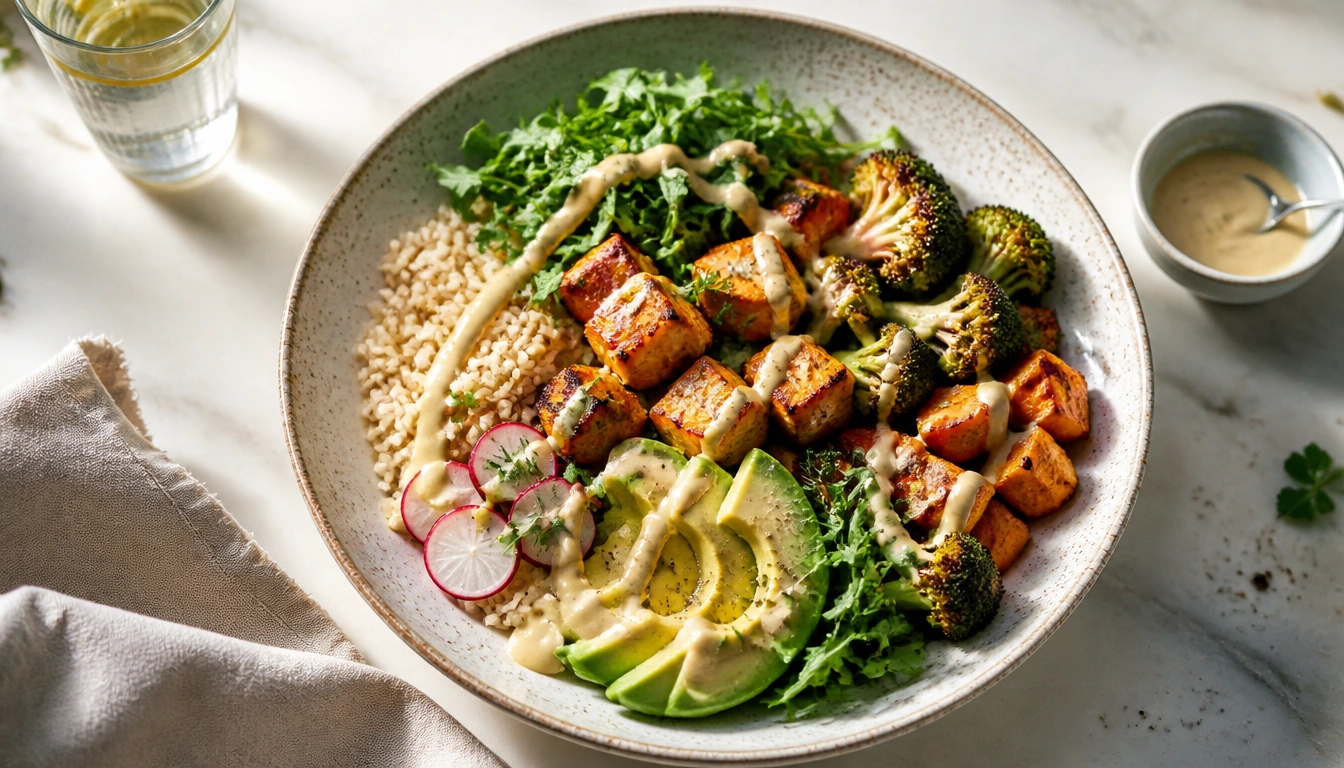
A balanced rice bowl for someone over 50 should usually combine a fiber-rich grain base, a solid protein anchor, plenty of vegetables, and a healthy fat or flavor finish. For many older adults, the most useful target is roughly 25 to 30+ grams of protein per bowl, with softer textures and lower-sodium seasonings when needed. The best ingredients are the ones that support muscle, heart, and bone health without making the meal hard to eat.
Key Takeaways
- Aim for a bowl that is built, not piled: grain, protein, vegetables, and a flavor finish should each have a clear role.
- After 50, evenly spreading protein across meals can matter more than loading it all into dinner.
- Brown rice, wild rice, black rice, and quinoa blends usually add more fiber and staying power than refined white rice.
- Tender-cooked vegetables can make bowls easier to chew and digest without giving up nutrition.
- Use herbs, citrus, garlic, ginger, sesame, tahini, and olive oil for flavor instead of relying on salty sauces.
- Higher-protein bowls are not right for everyone; kidney disease or renal impairment calls for individualized guidance.
Why rice bowls work especially well after 50
Balanced rice bowl ideas for adults over 50 work because they fit real life. A bowl is naturally portioned, easy to mix from leftovers, and flexible enough to suit changing appetites. That matters when energy for cooking is lower, chewing may be less comfortable, and meals need to feel satisfying without being oversized.
Rice bowls also make it easier to combine multiple food groups in one plate. That is useful for older adults who may do better with meals that are compact but nutrient-dense. Instead of separating vegetables, protein, and starch across several dishes, one bowl can deliver all three in a format that is easy to assemble and easy to repeat during the week.
For many adults, the best bowl is the one that can be customized by what is already in the kitchen. Cooked grains, leftover chicken, canned beans, roasted vegetables, and a simple dressing can become a balanced meal with very little effort.
Food-first meals like this can also help caregivers and family members plan ahead. If each component can be cooked in batches and mixed in different ways, the same base ingredients can become several meals without feeling repetitive.
The age-50 nutrition shift and the balanced bowl formula
As people move through their 50s and beyond, muscle maintenance, fiber intake, and nutrient density matter more. Experts and geriatric nutrition guidance increasingly emphasize adequate protein for healthy aging because the body becomes less efficient at using protein to support muscle, a pattern often described as anabolic resistance. That means the old “just eat enough at the end of the day” approach is less helpful than spreading protein across meals.
A practical bowl formula is simple: a grain base, a protein anchor, vegetables, a healthy fat, and a flavor finish. For many older adults, the protein portion deserves extra attention. A bowl that provides about 25 to 30+ grams of protein can be a useful target when appetite is modest and muscle preservation is a priority. That does not mean every bowl must hit the same number exactly, but it gives a helpful design goal.
Fiber and micronutrients matter too. Whole grains and vegetables support digestion, blood sugar control, and fullness. Leafy greens, fish, tofu, beans, and colorful produce can also bring in calcium-supportive or bone-supportive nutrients, which is valuable after menopause and in later adulthood.
The most useful bowls are not extreme. They are balanced enough to work as everyday meals, but flexible enough to suit individual health needs, chewing comfort, and budget.
Choosing the right base
The grain base sets the tone for the whole bowl. Brown rice, wild rice, black rice, and quinoa blends usually offer more fiber and more staying power than refined white rice. That can be especially helpful after 50, when blood sugar control and digestive regularity may matter more than they did in earlier adulthood.
Brown rice is often the easiest whole-grain swap because it has a familiar flavor and texture. Wild rice brings a chewy, nutty feel and pairs well with fish, mushrooms, and herbs. Black rice is visually striking and offers a dense, hearty texture. Quinoa blends can raise protein slightly while keeping the bowl light and adaptable.
White rice still has a place. It can be a good choice when someone has a smaller appetite, needs a softer texture, is recovering from illness, or tolerates refined grains better than high-fiber ones. It may also be useful when paired with generous vegetables and protein, so the overall meal still feels balanced. The goal is not to ban white rice; it is to choose the base that best fits the person and the meal.
| Base | Why it can work | Best fit |
|---|---|---|
| Brown rice | More fiber and a familiar taste | Everyday bowls and meal prep |
| Wild rice | Chewy, nutty, and filling | Heartier bowls with fish or mushrooms |
| Black rice | Dense texture and strong visual appeal | More filling bowls with vegetables |
| Quinoa blend | Higher protein and lighter feel | Plant-forward bowls |
| White rice | Softer and easy to digest | Lower appetite or sensitive digestion |
Building the protein anchor
Protein is the part of the bowl that makes it feel like a meal. For healthy older adults, a good rice bowl often needs enough protein to support muscle maintenance and recovery. A practical target is roughly 25 to 30+ grams per bowl, especially when the meal is replacing lunch or dinner and not being followed by much else.
Good options include seafood, poultry, tofu, tempeh, beans, and edamame. Salmon, trout, and sardines offer protein plus healthy fats. Chicken and turkey are easy to shred or slice. Tofu and tempeh work well in plant-forward bowls and can be baked, seared, or simmered in sauce. Beans and lentils add fiber along with protein, which can be useful when someone wants a more plant-based meal.
The best protein choice is the one that fits chewing comfort, budget, and taste preferences. Softer proteins such as flaked fish, shredded chicken, scrambled tofu, or seasoned beans can be easier to eat than dry, tough cuts. If appetite is low, use a smaller bowl but keep the protein portion meaningful.
Higher protein is helpful for many older adults, but it is not universal advice. People with chronic kidney disease or reduced kidney function should ask a clinician or registered dietitian before increasing protein intake. That safety boundary matters because what helps healthy aging may need to be adjusted in renal disease.
Vegetable strategy for comfort and nutrition
Vegetables do more than add color. They add volume, fiber, vitamins, and texture contrast. For adults over 50, the best vegetable strategy is often not “more raw salad,” but “more vegetables in the form the person can comfortably eat.”
Some people enjoy crisp cucumbers, shredded cabbage, or leafy greens. Others do better with tender-cooked vegetables such as roasted carrots, steamed broccoli, sautéed mushrooms, zucchini, spinach, green beans, or soft bell peppers. That flexibility matters if chewing is less comfortable or digestion is sensitive.
Mixed textures are often ideal. A warm grain base with tender vegetables and a few fresh toppings can make the bowl interesting without being harsh. For example, wilted spinach, roasted squash, and soft onions can sit next to a few cucumber slices or herbs for freshness. If raw produce feels too crunchy, cook more of the vegetables lightly instead of removing them entirely.
For bone-supportive eating, leafy greens are especially useful. They are not a cure-all, but they fit well with tofu, fish, and other nutrient-dense ingredients that help a bowl feel more supportive of healthy aging.
Healthy fats and low-sodium flavor boosters
A bowl needs flavor or it will not be satisfying enough to repeat. The goal is to get that flavor without leaning too hard on salty sauces. Public health guidance from U.S. agencies commonly recommends keeping sodium under 2,300 milligrams per day, so flavor should come from ingredients that do more than simply add salt.
Healthy fats such as olive oil, avocado, tahini, and sesame seeds help the bowl feel richer and more satisfying. They also help absorb fat-soluble nutrients from vegetables. A small drizzle is usually enough when the rest of the bowl is well-seasoned.
Herbs, citrus, garlic, ginger, sesame, and a little vinegar can do a lot of work. Lemon or lime brightens grain bowls. Garlic and ginger bring depth without much sodium. Tahini mixed with lemon and water makes a creamy dressing. Sesame oil, used lightly, adds aroma rather than heaviness. If you use a bottled sauce, look for lower-sodium options and use them as a finishing accent, not the main flavor source.
That approach makes bowls feel fresh and varied without pushing saturated fat or salt too high.
Three practical bowl ideas for real life
A Mediterranean bowl can start with brown rice or wild rice, then add baked salmon, roasted zucchini, cucumbers, tomatoes, and a spoonful of hummus. Finish with olive oil, dill, lemon, and a few olives if sodium is not a concern. This version is especially useful for readers who want a heart-friendly meal with soft, familiar flavors.
A plant-forward bowl can use quinoa and brown rice, baked tofu, shelled edamame, steamed bok choy, and shredded carrots. A ginger-tahini or sesame-citrus dressing gives it enough flavor to stand on its own. This style works well when someone wants a meatless meal that still feels substantial.
A Southwest-style bowl can pair brown rice with shredded chicken, black beans, roasted peppers, sautéed onions, spinach, avocado, lime, and cilantro. It is easy to make from pantry staples and leftovers, and it can be softened further by cooking the vegetables longer if needed.
These bowls show the same pattern in different flavors: grain, protein, vegetables, fat, and a bright finish. Once that structure is in place, the combination can be changed endlessly.
How to adapt rice bowls for common concerns after 50
Lower appetite calls for smaller bowls with stronger nutrient density. In that case, keep the grain portion modest and do not skimp on protein. Choose ingredients that deliver more nutrition per bite, such as salmon, tofu, beans, avocado, and leafy greens. A bowl does not need to be large to be useful.
Chewing issues or digestive sensitivity usually call for softer textures. That may mean white rice instead of a firmer whole grain, very tender vegetables, shredded proteins, or softer beans and tofu. The bowl can still be balanced even when it is gentle.
For blood sugar concerns, the most useful habit is combining carbohydrate with protein, vegetables, and healthy fat. That combination tends to be more filling and slower to digest than rice alone. Whole-grain bases often help, but the full bowl pattern matters more than any single ingredient.
For bone health, include calcium-supportive and nutrient-dense foods often enough to matter: leafy greens, calcium-set tofu, fish, and other protein-rich foods that fit the meal plan. If someone has osteoporosis, complex medical conditions, or takes medications that affect appetite or digestion, a personalized plan may be more appropriate than a general recipe template.
Meal prep can stay simple. Cook a pot of rice or a grain blend, roast a tray of vegetables, prepare one or two proteins, and keep one or two sauces in the fridge. That way, bowls can change from day to day without requiring a new recipe each time. If boredom is the problem, rotate flavors rather than rebuilding the whole meal.
Frequently Asked Questions
How much protein should an older adult aim for in a single rice bowl?
A practical target for many healthy older adults is about 25 to 30+ grams of protein per bowl, especially at lunch or dinner. That helps make the meal more supportive of muscle maintenance. The exact amount still depends on the person, their appetite, and any medical conditions.
Which rice and grain bases are best for blood sugar and fiber after 50?
Brown rice, wild rice, black rice, and quinoa blends usually offer more fiber and staying power than refined white rice. They can be helpful when blood sugar control matters. White rice can still fit, especially if the rest of the bowl includes protein, vegetables, and healthy fat.
What vegetables work best in rice bowls when chewing or digestion is more sensitive?
Tender-cooked vegetables are often easiest: roasted carrots, steamed broccoli, sautéed mushrooms, soft zucchini, green beans, spinach, or bok choy. You can also mix in a few fresh toppings if they are comfortable, but there is no need to force crunchy raw vegetables.
Which healthy fats and dressings add flavor without too much sodium or saturated fat?
Olive oil, avocado, tahini, sesame seeds, lemon or lime juice, garlic, ginger, herbs, and vinegar can add a lot of flavor without relying on salty sauces. If using a bottled dressing or tamari, choose lower-sodium versions and use them sparingly.
What are a few easy rice bowl combinations for adults over 50?
Try salmon with wild rice and roasted vegetables, tofu with quinoa and edamame, or chicken with brown rice, black beans, peppers, and avocado. Each one gives you a grain, protein, vegetables, and a healthy fat in a simple format.
The Bottom Line
A good rice bowl after 50 is balanced, not complicated. Start with a grain that fits the person, add enough protein to make the bowl satisfying, fill in with vegetables, and finish with a healthy fat and bright seasoning.
The most age-friendly bowls are often the ones with softer textures, lower sodium, and enough protein spread across the day. For healthy adults, that can support muscle and energy; for anyone with kidney disease or other medical concerns, the plan should be individualized.
Medical disclaimer
Medical disclaimer: This content is for educational and informational purposes only and is not a substitute for professional medical advice, diagnosis, or treatment. Dietary needs and supplement suitability vary by individual.
Sources
- U.S. Government / Health Authority — acl.gov. Accessed November 2026.
- U.S. Government / Health Authority — medlineplus.gov. Accessed November 2026.
- National Institutes of Health (NIH) — nih.gov. Accessed November 2026.
- National Institutes of Health (NIH) — nih.gov. Accessed November 2026.
- Academic Research Institution — washington.edu. Accessed November 2026.
