
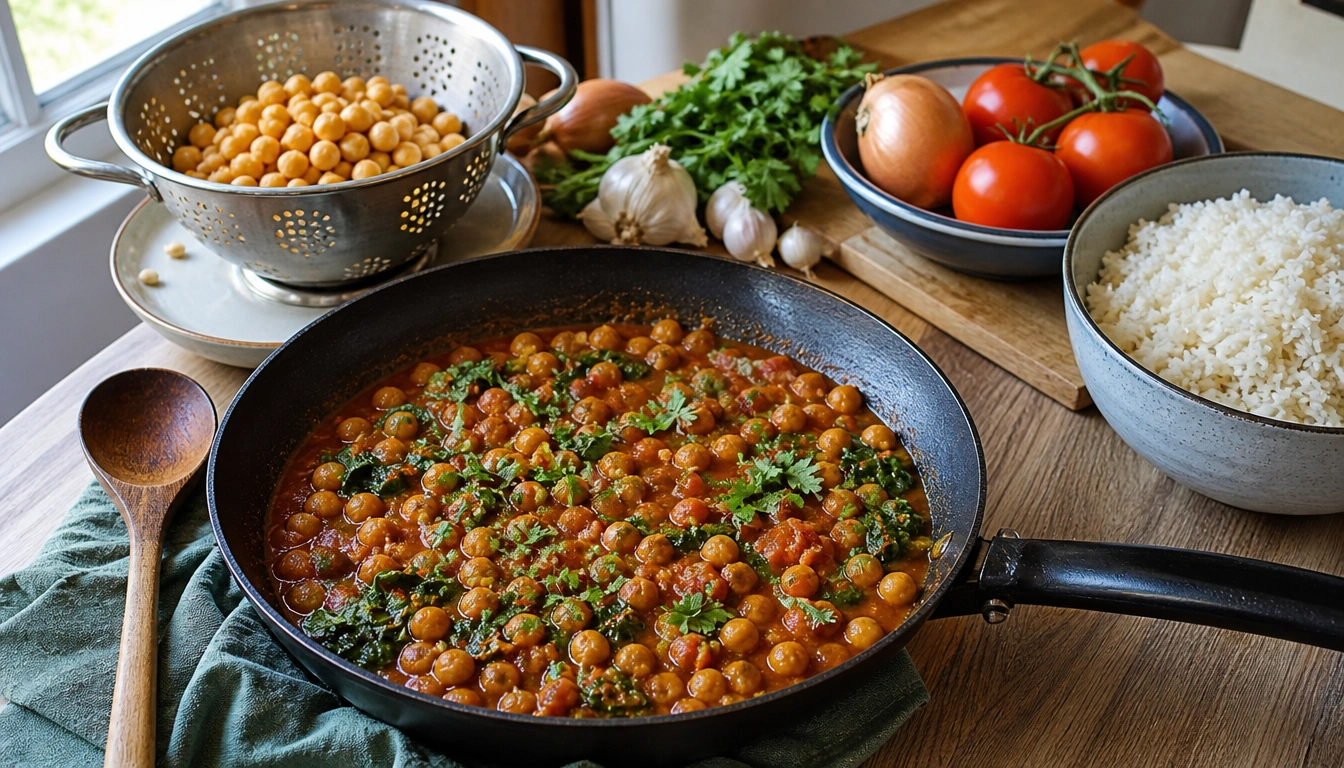
The easiest affordable chickpea dinners are usually a skillet curry, a grain bowl, or a simple soup. Chickpeas are a smart budget-friendly choice because they are inexpensive, shelf-stable, filling, and nutritionally dense, with protein, fiber, and key minerals that help stretch a meal without requiring expensive ingredients. Canned chickpeas are fastest; dried chickpeas usually cost less if you have time to soak and cook them.
Key Takeaways
- Chickpeas are a budget staple because they combine protein, fiber, and long shelf life in one inexpensive ingredient.
- Canned chickpeas are best for speed; dried chickpeas are usually cheaper per serving if you can soak and simmer them.
- Rinsing canned chickpeas can reduce sodium, especially if you choose low-sodium or no-salt-added cans.
- A filling chickpea dinner gets better when you pair the beans with grains, vegetables, and a simple sauce or dressing.
- If chickpeas bother your stomach, start with small portions and drink enough fluid while your body adjusts.
Why chickpeas make sense for budget dinners
If you are trying to save money at dinner, chickpeas are one of the most useful pantry foods to keep around. They are part of the legume family, which federal dietary guidance encourages as a regular protein choice alongside other plant-based foods. That matters because chickpeas do more than fill a plate cheaply: they bring protein, fiber, and several nutrients that many people do not get enough of, including potassium, iron, magnesium, and folate.
That nutrition profile is one reason chickpeas work so well in economical meals. A bowl of chickpeas can help a dinner feel substantial without needing much meat, cheese, or other higher-cost add-ons. They also store well, which makes them practical for nights when the fridge looks bare. If you keep a can or bag on hand, you already have the base for a fast dinner.
Chickpeas are also flexible. They can turn into curry, soup, grain bowls, tacos, or a warm skillet meal with only a few other ingredients. That makes them especially useful for budget shoppers who want simple food that still feels like dinner, not just a side dish.
Easy chickpea dinner ideas for tonight
Skillet chickpea curry: Warm a little oil in a pan, cook onion and garlic if you have them, then stir in curry powder or cumin. Add rinsed chickpeas, a can of tomatoes, and a splash of water. Simmer until the sauce thickens. If you have frozen spinach, kale, or peas, stir them in near the end. Serve over rice, couscous, or another grain.
Sheet-pan chickpea grain bowls: Pat canned chickpeas dry, toss them with oil, salt, and spices, and roast them on a hot sheet pan until lightly crisp. Spoon them over leftover rice, farro, or quinoa with any vegetables you have, such as cucumbers, carrots, cabbage, or roasted broccoli. Finish with a simple yogurt sauce or tahini-lemon dressing.
Tuscan-style chickpea soup: Simmer onion, carrot, and celery in a pot if you have them, then add broth or water, tomatoes, chickpeas, and Italian herbs. Let it cook until the vegetables soften. Add chopped greens at the end. Serve with bread or a grain on the side for a filling dinner.
These meals are easy because they do not depend on exact ingredients. If one vegetable is missing, use another. If you only have rice instead of bread, that still works. The goal is to build a warm, balanced meal from what is already in your kitchen.
Canned chickpeas or dried chickpeas?
Canned and dried chickpeas both have a place in budget cooking. Canned chickpeas win on convenience: open the can, rinse the beans, and they are ready to use. That makes them the better choice for a weeknight meal when time is tight, you forgot to plan ahead, or you need dinner quickly after work.
Dried chickpeas usually cost less per serving and give you more control over texture and salt. The tradeoff is time. They need soaking and a longer simmer before they are tender. If you cook in batches, dried chickpeas can be a strong budget move because you can make a large amount and freeze portions for later meals.
A practical way to think about it: use canned chickpeas when speed matters most, and use dried chickpeas when you want the lowest cost and can plan ahead. Many budget shoppers do both. They keep canned chickpeas for emergencies and cook dried chickpeas on a less busy day to use across several meals.
| Format | Best for | Tradeoff |
|---|---|---|
| Canned chickpeas | Fast dinners, no planning, minimal prep | Usually costs more than dried and may be higher in sodium |
| Dried chickpeas | Lower cost, batch cooking, freezer meals | Needs soaking and longer cooking time |
How to turn chickpeas into a complete cheap dinner
A chickpea dinner feels more satisfying when you build it in layers. Start with the chickpeas, then add one grain, one vegetable, and one sauce or seasoning. That structure helps you stretch the meal without expensive extras.
Grains: Rice, couscous, oats used savory-style, pasta, bulgur, barley, or whole-wheat bread all work. Leftover grains are especially helpful because they turn chickpeas into dinner with almost no extra effort.
Vegetables: Fresh, frozen, or canned vegetables all count. Frozen spinach, broccoli, peas, or mixed vegetables are often the easiest budget option. Cabbage, carrots, onions, and canned tomatoes are also useful because they last well.
Sauces and seasonings: A small amount of sauce can change the whole meal. Tomato sauce, yogurt with lemon, tahini with water and garlic, or a quick herb broth all make chickpeas taste more finished. You do not need expensive specialty ingredients.
A good rule for meal building is to keep one part of the dinner familiar and let the chickpeas do the heavy lifting. For example, rice plus chickpeas plus frozen broccoli plus a garlic-lemon sauce becomes a complete plate without much shopping. That approach also helps reduce food waste because you can use whatever vegetables or leftovers are already available.
Flavor boosters that stay inexpensive
Cheap chickpea dinners do not have to taste plain. A few low-cost ingredients can make a big difference. Garlic and onion create a strong savory base. Curry powder and cumin bring warmth. Tomatoes add acidity and body. Dried oregano, basil, or Italian seasoning make chickpeas work well in soups and skillet meals. These are all pantry-friendly ways to add depth without needing a long ingredient list.
Tahini, yogurt, and citrus are especially useful because they add richness or brightness with very little effort. A spoonful of tahini thinned with water and lemon can become a quick sauce. Plain yogurt mixed with lemon and garlic can work the same way. If you have a lemon, lime, or even a splash of vinegar, use it near the end of cooking to wake up the flavor.
For kid-friendly dinners, keep the seasoning familiar. Mild tomato sauce, garlic, a little cumin, or a light herb blend is often easier to accept than a very spicy dish. You can always serve hot sauce or chili flakes at the table for adults.
How to make chickpeas easier on digestion
Some people feel gassy or bloated when they first start eating more beans, especially if they move from very low-fiber meals to chickpeas quickly. That does not usually mean chickpeas are a problem; it often means the digestive system needs time to adjust to more fiber and fermentable carbohydrates.
The easiest fix is to start with smaller portions and increase gradually over several meals. If you are using canned chickpeas, rinse them well before cooking or serving. That can help wash away some of the surface starches and sodium. Cooking chickpeas into soup or sauce can also make them easier to eat than a large plain serving.
Fluids matter too. When you increase fiber, drink enough water through the day so the meal is easier to tolerate. Many people do better when chickpeas are part of a broader, balanced plate rather than the only major food at dinner. If you know beans are hard on your stomach, use modest portions at first and combine them with grains and vegetables instead of loading the plate with beans alone.
Special diet and safety notes
If you are watching sodium, choose low-sodium or no-salt-added canned chickpeas when possible, and rinse regular canned chickpeas before using them. That is a simple way to keep the meal more heart-friendly without changing the recipe much.
Chickpeas can fit into a heart-healthy or blood-sugar-friendly eating pattern because they are rich in fiber and digest more slowly than many refined carbohydrate foods. Public health guidance supports beans and other legumes as part of a balanced diet. That said, dinner needs are individual, and the rest of the plate still matters.
People with chronic kidney disease that requires limiting potassium or phosphorus should check with a clinician or dietitian before making chickpeas a frequent staple. Anyone with irritable bowel syndrome may need to watch portions or choose preparations that sit better, such as small amounts of rinsed canned chickpeas. True chickpea allergy is uncommon, but people with legume allergies should be cautious and seek medical advice if they are unsure.
If you have a diagnosed condition and are adjusting your diet for treatment, chickpeas should support your care plan, not replace it. A clinician or registered dietitian can help you fit them in safely.
Shopping, storage, and make-ahead tips
Buying dry chickpeas in bulk is often the cheapest option if you have the time and storage space. Cook a large batch, cool it quickly, and refrigerate or freeze portions for later dinners. That gives you a ready-made ingredient for soup, curry, salads, or grain bowls.
Canned chickpeas still belong in a smart budget pantry because they save time on busy nights. A mix of both formats can work especially well: dry beans for batch cooking, canned beans for emergencies or last-minute meals. If you open a can and do not use all of it, store the extra chickpeas in the refrigerator with a little liquid or fresh water and use them soon.
Leftover cooked chickpeas also freeze well in recipe-sized portions. Freezing them in small containers or bags makes it easier to pull out just what you need for one dinner. That can reduce waste and keep weeknight cooking simple.
For budget shoppers, the best chickpea strategy is not perfection. It is keeping one low-cost protein on hand that can become dinner quickly, stretch across several meals, and work with whatever is already in the kitchen.
Frequently Asked Questions
Are canned chickpeas or dried chickpeas cheaper for dinner planning?
Dried chickpeas are usually cheaper per serving, especially if you cook them in batches. Canned chickpeas cost more but save time and can still be a good buy when you need a fast dinner or cannot plan ahead.
How do I make chickpeas less likely to cause gas or bloating?
Start with a small portion and increase slowly over time. Rinsing canned chickpeas, cooking them well, and drinking enough fluids can also help. Some people tolerate chickpeas better when they are part of a mixed meal instead of a large bean-heavy plate.
What are some quick ways to flavor chickpeas without expensive ingredients?
Use garlic, onion, cumin, curry powder, tomatoes, dried herbs, lemon, vinegar, tahini, or plain yogurt. A little seasoning goes a long way, especially if you build a sauce or simmer the chickpeas in broth or tomatoes.
How can I use chickpeas in a filling dinner with pantry staples and leftovers?
Pair chickpeas with a grain like rice, pasta, couscous, or bread, then add a vegetable and a simple sauce. Leftover roasted vegetables, frozen greens, canned tomatoes, and quick dressings all work well.
Should I rinse canned chickpeas, and does it matter for sodium?
Yes, rinsing canned chickpeas is a good idea, especially if you are watching sodium. It can help remove some of the canning liquid and reduce the salty taste. Choosing low-sodium or no-salt-added cans helps even more.
The Bottom Line
Chickpeas are one of the most practical budget dinners you can keep in rotation because they are cheap, filling, and easy to turn into a real meal. If you want the fastest option, use canned chickpeas. If you want the lowest cost and can plan ahead, dry chickpeas are hard to beat.
For the best results, build around the chickpeas instead of trying to make them stand alone. Add a grain, a vegetable, and a simple sauce, then season with what you already have. That approach keeps dinner affordable, flexible, and much more likely to become a repeat meal.
If chickpeas are new to your routine, start with smaller portions, rinse canned beans, and give your body time to adjust. For most home cooks, that is enough to make chickpea dinners both budget-friendly and easy to live with.
Medical disclaimer
Medical disclaimer: This content is for educational and informational purposes only and is not a substitute for professional medical advice, diagnosis, or treatment. Dietary needs and supplement suitability vary by individual.
Sources
- U.S. Government / Health Authority — usda.gov. Accessed November 2026.
- U.S. Government / Health Authority — medlineplus.gov. Accessed November 2026.
- U.S. Government / Health Authority — dietaryguidelines.gov. Accessed November 2026.
