
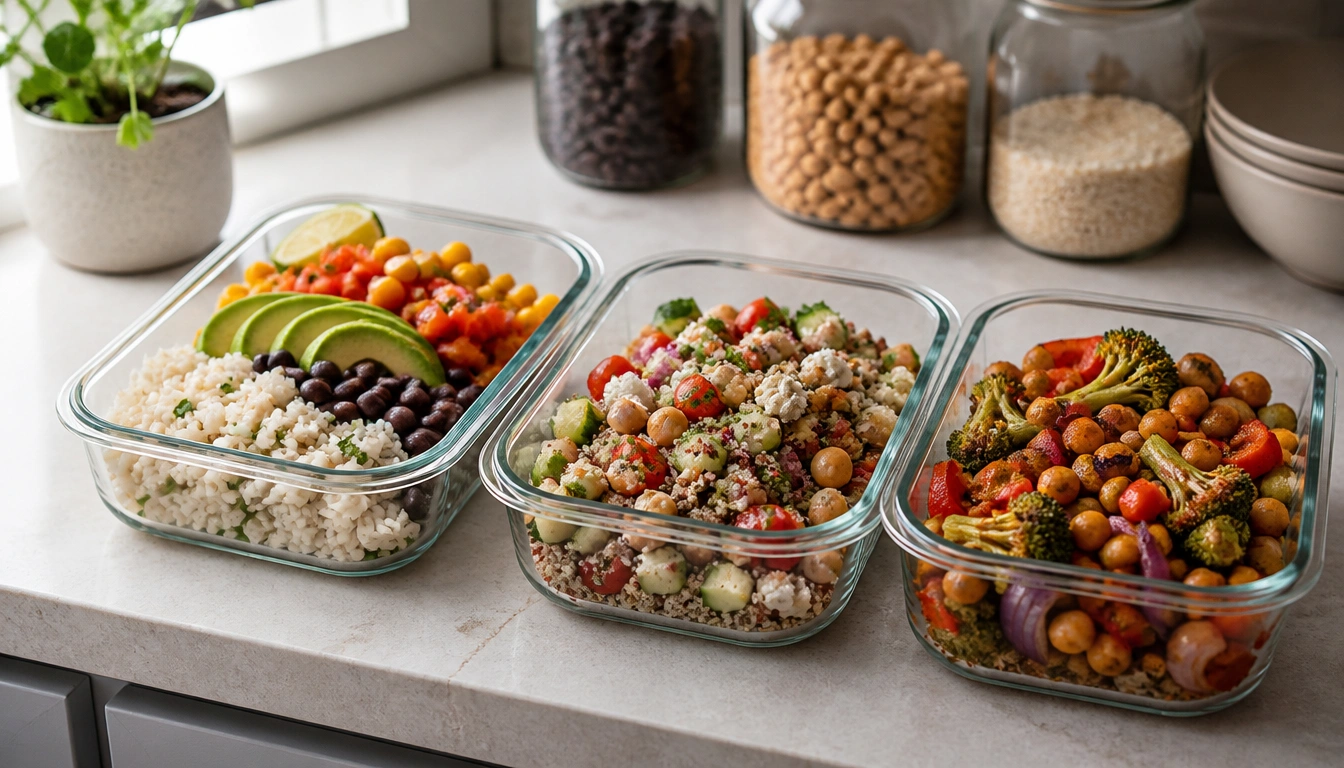
The easiest bean dinner ideas for meal-prep beginners are burrito bowls, marinated bean-and-grain salads, and sheet-pan crispy bean toppers. Start with canned beans for convenience, rinse them well, and build meals around one bean, one grain, one vegetable, and one flavor profile. For safety, refrigerate prepared bean dishes in airtight containers and use them within 3 to 4 days.
Key Takeaways
- Begin with small portions of about 1/4 cup to 1/2 cup if you are not used to beans, then increase gradually as your digestion adapts.
- Canned beans are the simplest shortcut for beginners; draining and rinsing helps reduce surface sodium and some of the compounds linked with gas.
- Beans are meal-prep friendly because they hold their texture and often taste better after marinating for a day or two.
- A practical weekly target is about 1/2 cup of beans daily, which fits the federal recommendation of roughly 1.5 to 3 cups of legumes per week.
- Prepared bean meals should be cooled, stored in airtight containers, and eaten within 3 to 4 days for best quality and safety.
Start with one bean, one grain, one vegetable, and one flavor profile
For easy bean dinner ideas for meal-prep beginners, the simplest approach is to build each container from the same four pieces: one bean, one grain, one vegetable, and one flavor profile. That keeps shopping manageable and lowers the chance of ending up with half-used ingredients that go stale in the fridge.
A basic template might look like black beans plus brown rice plus roasted peppers plus a taco-style seasoning. Or chickpeas plus quinoa plus cucumbers and tomatoes plus lemon-herb dressing. The formula works because beans are sturdy, grains make the meal filling, and vegetables bring color and texture without demanding complicated cooking.
Beans are also unusually forgiving for beginners. Unlike delicate greens, they do not collapse quickly, and many varieties taste even better after they sit with sauce, herbs, or dressing for a day. That makes them a smart starter food for anyone learning how to meal prep without stress.
If you want to keep the first batch extra simple, choose one bean and use it in two different dinners. For example, black beans can go into burrito bowls one night and a tomato-corn salad the next. Repeating ingredients is not boring when the seasoning changes.
Canned bean shortcut playbook
Canned beans are the easiest entry point because they are already cooked. That means you can focus on assembly rather than soaking, simmering, or timing a pot on the stove. Black beans, pinto beans, chickpeas, cannellini beans, and kidney beans all work well in beginner meal prep.
Before using them, drain the can and rinse the beans under cool running water. This is a practical step for both sodium awareness and flavor. It helps wash away some of the surface liquid that carries extra salt and can leave beans tasting cleaner in cold salads, bowls, and wraps.
If you are comparing labels, choose low-sodium or no-salt-added versions when you can. If those are not available, rinsing makes regular canned beans more flexible. For most beginners, that is enough to keep the meals balanced without making grocery shopping complicated.
A few canned bean choices are especially beginner-friendly. Chickpeas are useful when you want a firmer texture. Black beans and pinto beans blend well into burrito bowls. Cannellini beans work nicely in Mediterranean-style salads and hold up well with lemon and herbs. Kidney beans can be used too, but dried kidney beans need extra safety attention, which is why canned kidney beans are the easier option for most new meal preppers.
Three reliable dinner formats for the week
The best beginner bean dinners are the ones that can be assembled quickly and still taste good after a few days. Three formats fit that goal especially well: burrito bowls, marinated bean-and-grain salads, and sheet-pan crispy bean toppers.
Burrito bowls are the most familiar starting point. Put cooked rice or quinoa in the base of the container, add rinsed black or pinto beans, then top with roasted peppers, onions, corn, salsa, and a little cheese or avocado added later. The structure makes the meal feel complete without requiring a long recipe.
Marinated bean-and-grain salads are ideal when you want something that can sit in the fridge for several days. Toss chickpeas or cannellini beans with farro, couscous, or quinoa, then add chopped cucumber, tomato, parsley, and a simple vinaigrette. Because the beans and grains stay sturdy, this format often tastes better on day three than on day one.
Sheet-pan crispy bean toppers add crunch to otherwise soft meals. Roast drained chickpeas or butter beans with olive oil and spices until lightly crisp, then use them over rice bowls, salads, or roasted vegetables. This is especially useful if you want more texture without extra effort.
If you prefer to batch-cook once and vary the outcome, make one big container of seasoned beans and use it across all three formats. That reduces decision fatigue and keeps the week from feeling repetitive.
Flavor builders that change the meal without changing the workload
Once the base ingredients are in place, flavor is what keeps bean meal prep interesting. You do not need complicated sauces to create variety; a few repeatable seasoning profiles are enough.
Taco-style works well with black beans or pinto beans, rice, corn, bell peppers, salsa, cumin, chili powder, and a squeeze of lime. This profile is especially good for burrito bowls and makes the meal feel familiar to people who are new to bean-based dinners.
Mediterranean-style pairs chickpeas or cannellini beans with cucumber, tomatoes, red onion, olives, olive oil, lemon, oregano, and feta if desired. It is light, flexible, and well suited to cold meal prep that does not need reheating.
Curry-style can be as simple as chickpeas with rice, roasted cauliflower, and a mild curry sauce or seasoning blend. If you are new to spice, keep the flavor gentle and add heat later at the table.
Lemon-herb is a good “reset” flavor when you want something fresh. Use white beans or chickpeas with parsley, dill, lemon juice, olive oil, and chopped crunchy vegetables. This style is especially useful for salads and grain bowls because it stays bright after chilling.
The easiest method is to choose one seasoning style for a batch, then change the finishing touches. A taco bowl can become a salad with salsa and lettuce. A Mediterranean bowl can become a warm dinner if you add roasted vegetables and heat the beans first.
Portioning for beginners without overdoing it
If you are new to beans, start small. A helpful ramp-up is about 1/4 cup to 1/2 cup per serving, then increase slowly over the week if your digestion feels comfortable. This gradual approach is useful because bean fiber can be a big jump if your usual meals are low in legumes.
For long-term habits, federal guidance from the Dietary Guidelines for Americans translates well into a simple routine: about 1/2 cup of beans daily can fit the recommended weekly range of legumes for many adults. You do not have to eat the same amount every day, but having one bean-based meal most days is an easy way to make progress.
Think in meal portions rather than daily perfection. If one dinner contains 1/4 cup of beans and the next contains 1/2 cup, that still supports the weekly goal. If you know you feel better with smaller servings, pair beans with grains and vegetables rather than making them the only protein on the plate.
For beginners, it also helps to divide meals in advance. Put a smaller serving in the first container and a slightly larger one in the backup container. That way you can respond to hunger and digestion instead of guessing all week.
Digestive comfort tips for first-time bean meal preppers
Beans can cause gas or bloating at first because they are rich in fermentable carbohydrates and fiber. That does not mean beans are a bad choice; it usually means your gut is adjusting. The adjustment is often easier when you increase intake gradually instead of making a sudden jump.
Hydration matters too. Fiber works best when you are drinking enough fluid across the day, so pair your bean meals with water and do not rely on beans alone to carry the whole meal. Cooking style also matters: softer beans in bowls may feel easier than a very dense bean salad at first.
Rinsing canned beans can help with comfort, not just sodium. It removes some of the canning liquid that may contribute to the digestive discomfort some people notice. If you are especially sensitive, start with chickpeas or black beans in small amounts and see which texture sits best with you.
If you have a history of digestive disorders or a condition that changes how much fiber you tolerate, a smaller serving and a slower ramp-up may be more appropriate. The goal is to make bean meals sustainable, not to force a big serving on day one.
Storage and food-safety workflow for the week
Bean meal prep is easiest when you think about cooling, packing, and timing before you think about seasoning. After cooking or assembling, let hot food cool briefly, then move it into airtight containers and refrigerate it promptly. That protects both quality and safety.
Prepared bean dishes are best used within 3 to 4 days in the refrigerator. That includes burrito bowls, bean salads, and cooked bean-grain mixtures. If you know you will not finish everything in that window, freeze part of the batch earlier rather than waiting until the food is near the end of its safe storage time.
Keep wet and crisp ingredients separate when possible. Store dressings, salsa, avocado, and crunchy toppings on the side so the meal does not turn soggy. This is one reason bean bowls and salads are so beginner-friendly: they can be prepped in components and assembled quickly at mealtime.
Dried kidney beans deserve special caution. They must be properly soaked and boiled before eating because undercooked kidney beans contain natural toxins that are neutralized by thorough boiling. If that sounds like more effort than you want right now, choose canned kidney beans or another bean variety until you are comfortable with the process.
A simple 60-minute prep plan and shopping list
A realistic first batch does not need to be elaborate. A short shopping list can cover several dinners: one bean, one grain, one or two vegetables, one fruit or acid such as lemon or lime, one seasoning blend, and one optional topping such as yogurt, cheese, or avocado.
For a one-hour session, cook the grain first, roast or chop the vegetables, rinse the beans, and mix one flavor profile into the bean mixture. If you want three different dinners from one batch, split the ingredients into containers before adding the last-minute toppings. That keeps the food flexible all week.
A simple example: make brown rice, black beans, roasted peppers, and corn for burrito bowls; use chickpeas, cucumber, tomato, and lemon dressing for a cold salad; and roast extra chickpeas with spices for a crunchy topper. The ingredients overlap, but the meals do not feel identical.
If your confidence is low, begin with one dinner format only. Once that feels easy, add a second. Consistency beats complexity, especially for meal-prep beginners trying to build a routine that saves time and money.
Frequently Asked Questions
How much beans should a beginner eat in a week to meet basic dietary guidance?
A practical target is about 1/2 cup of beans a day, which fits the Dietary Guidelines for Americans recommendation of roughly 1.5 to 3 cups of legumes per week for many adults. If you are new to beans, start smaller and build up gradually.
What are the easiest canned-bean shortcuts for meal prep dinners?
The easiest shortcuts are canned black beans, pinto beans, chickpeas, and cannellini beans. Drain and rinse them, then add them to rice bowls, salads, or roasted vegetable meals. Low-sodium or no-salt-added cans are the simplest option when available.
How do I reduce gas or bloating when I start eating more beans?
Increase servings slowly, starting around 1/4 cup to 1/2 cup. Drink enough water, rinse canned beans, and choose softer preparations like bowls or mixed salads before trying larger servings. If you have ongoing digestive problems, a clinician or dietitian can help you personalize the plan.
How long do prepared bean meals keep in the refrigerator?
Prepared bean meals should be stored in airtight containers and used within 3 to 4 days. That applies to bowls, salads, and cooked bean-and-grain mixtures. If you need longer storage, freezing part of the batch is a better option.
Which bean meals work best for burrito bowls, salads, or sheet-pan prep?
Burrito bowls work well with black or pinto beans, marinated salads work well with chickpeas or cannellini beans, and sheet-pan prep works well with chickpeas or butter beans. These formats are sturdy, beginner-friendly, and easy to flavor differently during the week.
The Bottom Line
Bean meal prep is easiest when you keep the formula simple: choose one bean, one grain, one vegetable, and one flavor style. For a first batch, canned beans are the most practical choice because they save time and still work in bowls, salads, and roasted meals.
If you are easing into beans, start with small portions, rinse canned beans, and build up over the week as your digestion adapts. Store finished meals in airtight containers and plan to use them within 3 to 4 days.
With a few repeatable templates, bean dinners become budget-friendly and low-stress instead of repetitive. Once you know which beans and flavors you like, meal prep gets much easier to repeat next week.
Medical disclaimer
Medical disclaimer: This content is for educational and informational purposes only and is not a substitute for professional medical advice, diagnosis, or treatment. Dietary needs and supplement suitability vary by individual.
Sources
- U.S. Government / Health Authority — dietaryguidelines.gov. Accessed October 2026.
- Academic Research Institution — ndsu.edu. Accessed October 2026.
- myplate.food — myplate.food. Accessed October 2026.
