
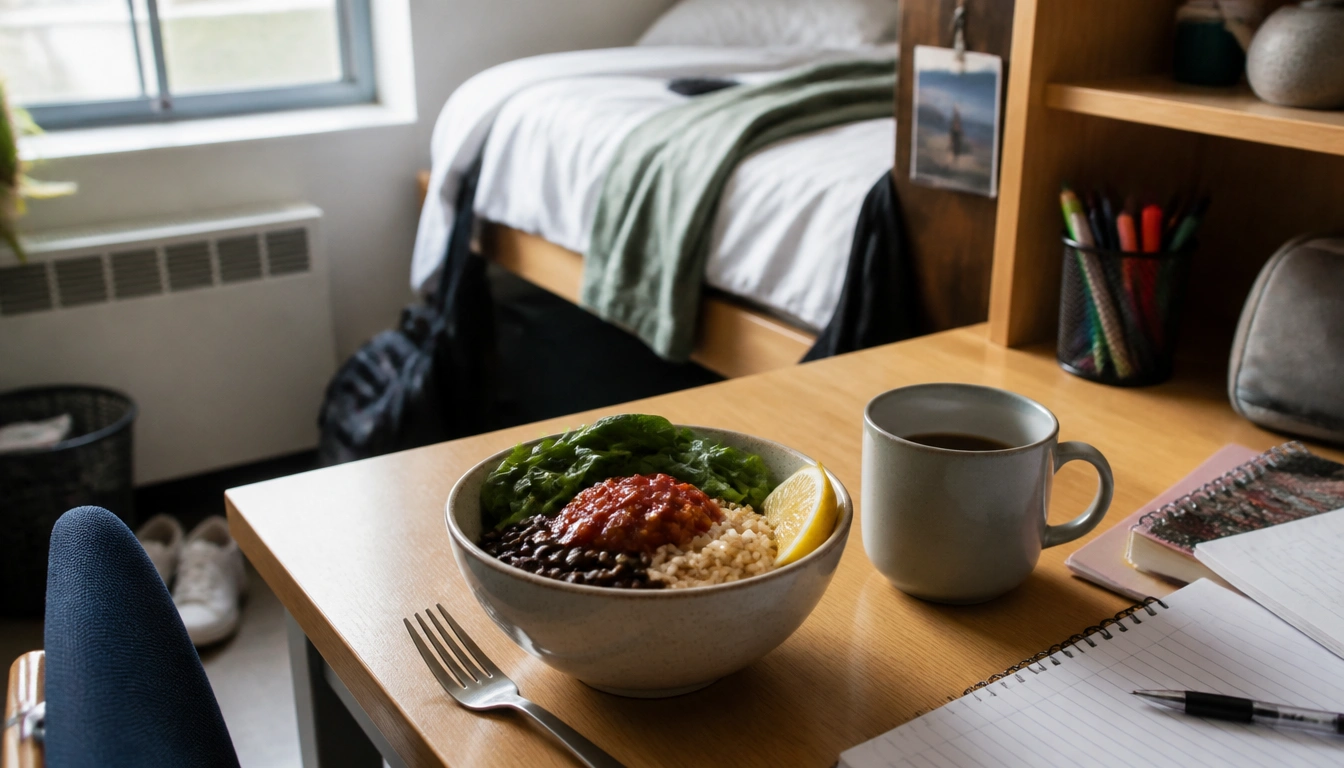
Yes—college students can meet iron needs on a vegetarian budget with simple meals built around beans, lentils, tofu, soy foods, whole grains, nuts, seeds, and fortified foods. The biggest upgrade is pairing iron-rich foods with vitamin C and avoiding coffee or tea right with meals. If you have heavy periods, play competitive sports, or feel unusually fatigued, it’s worth paying closer attention to iron status and getting medical guidance before starting supplements.
Key Takeaways
- Vegetarian diets can provide enough iron, but plant iron is non-heme iron, so meal planning matters more than it does in meat-based diets.
- Vitamin C helps your body absorb non-heme iron; citrus, tomatoes, bell peppers, strawberries, and salsa are easy campus-friendly options.
- Coffee and tea can reduce iron absorption when taken with meals, so timing them away from iron-rich meals can help.
- Dorm meals can be simple: microwave rice, canned beans, tofu, frozen vegetables, oats, and fortified cereals all work.
- Menstruating students, frequent blood donors, and student-athletes may need extra attention to iron intake and should watch for deficiency signs.
- Do not start iron supplements on your own; get lab testing and clinician guidance first if you suspect low iron.
Why iron is trickier on vegetarian college diets
If you’re trying to eat easy iron-rich vegetarian meals for college students, the main challenge is not that plant foods lack iron. It’s that the iron in plants is non-heme iron, which the body absorbs less efficiently than heme iron from meat. That does not mean vegetarian diets are automatically short on iron. It means the details of the meal matter more.
The NIH notes that adult iron needs differ by sex and life stage, and people who eat only plant foods may need more total dietary iron because non-heme iron is less bioavailable. For many students, that translates into choosing iron-rich foods more often and paying attention to what is served with them.
On a busy campus schedule, the toughest part is usually consistency. Skipping breakfast, relying on coffee, eating random snacks, and then trying to “make up for it” at dinner is not a great iron strategy. A better approach is to build a few repeatable meals that are cheap, fast, and high in iron.
Good vegetarian iron sources include: beans, lentils, chickpeas, tofu, tempeh, edamame, pumpkin seeds, sunflower seeds, fortified cereals, fortified oatmeal, quinoa, spinach, and other dark leafy greens.
Think of the goal as steady exposure, not perfection. A student living in a dorm does not need gourmet recipes; they need a few reliable meal formulas they can repeat without much time or money.
The three absorption levers that make a big difference
Plant iron is still useful iron, but your body absorbs it best when you support the meal. The first lever is vitamin C. It helps keep non-heme iron in a form that is easier to absorb. That is why beans with salsa, lentils with tomatoes, or spinach with lemon juice are better than the same foods eaten alone.
The second lever is timing coffee and tea away from meals. Polyphenols and tannins in coffee, black tea, and similar drinks can interfere with non-heme iron absorption. You do not have to give them up, but it helps to avoid pairing them with your main iron-rich meal. If you like coffee with breakfast, consider moving it to between meals instead.
The third lever is being aware of phytates, which are natural compounds in whole grains, legumes, nuts, and seeds that can also reduce absorption. You do not need to avoid those foods—they are nutritious and often high in iron. Instead, use simple tactics such as choosing cooked beans over raw legumes, using canned beans, mixing in vitamin C foods, and rotating foods rather than relying on one meal every day.
Easy campus pairing ideas:
- Black beans + salsa + microwave rice
- Lentils + canned tomatoes + whole-grain toast
- Tofu + broccoli + orange slices
- Spinach + bell peppers + lemon or lime juice
For most students, the biggest practical win is not a supplement. It is a smarter plate and a better drink schedule.
Dorm-friendly meal formulas you can assemble fast
You do not need a full kitchen to eat well. A microwave, hot plate, or even just shelf-stable groceries can cover a lot of ground. The easiest strategy is to use a formula: iron-rich base + protein + vitamin C topping or side.
Microwave grain bowl: Use a pouch of brown rice, quinoa, or instant grains. Stir in canned chickpeas, black beans, or lentils, then top with salsa, jarred roasted peppers, or a squeeze of lime. Add baby spinach if you have it.
Hot plate or electric kettle meal: Cook ramen or quick noodles, then add tofu cubes, frozen broccoli, and a spoonful of peanut or sesame sauce. If you have access to canned tomatoes, they work well too.
No-cook pantry bowl: Combine canned beans, whole-grain crackers or bread, pumpkin seeds, and a piece of fruit like an orange, kiwi, or strawberries on the side.
Microwave “loaded” potato: Top a microwaved potato with canned beans, salsa, and a little shredded cheese if you use dairy. If you are trying to keep the meal more iron-focused, use tomato salsa and greens rather than a heavy dairy topping.
These meals work because they are realistic. They use ingredients students can store, reheat, or eat straight from the package. The goal is not culinary complexity; it is building a meal that gives you iron and a better chance of absorbing it.
Meal ideas for breakfast, lunch, dinner, and late-night study snacks
College eating gets messy when meals are not matched to the schedule. A practical iron plan includes options for the times students most often miss real food.
Breakfast: Iron-fortified oatmeal made with soy milk, topped with peanut butter and strawberries. Another option is fortified cereal with milk or soy milk plus a side of orange slices. If you like savory breakfast, try toast with hummus and tomato.
Lunch: A lentil wrap with spinach, peppers, and hummus; or a bean-and-rice bowl with salsa and corn. Pack fruit with the meal so vitamin C is not an afterthought.
Dinner: Tofu stir-fry with broccoli and peppers over rice, or chili made from canned beans, canned tomatoes, and frozen vegetables. Both are easy to batch-cook and reheat.
Late-night study snack: Instead of only chips or cookies, try roasted chickpeas, trail mix with pumpkin seeds, whole-grain toast with peanut butter, or hummus with whole-grain crackers and cherry tomatoes.
If you are a frequent snacker, try to keep your coffee or tea separate from the snack that actually contains iron. Even a good snack can be less helpful if it is always washed down with tea.
It also helps to think about “small wins.” A bowl of fortified cereal at 10 p.m. is not glamorous, but it can be more useful than skipping food and then crashing the next day.
Budget and convenience swaps that still support iron intake
Healthy eating on a student budget usually depends on the cheapest shelf-stable and frozen options. That is fine. Many of the most useful iron foods are inexpensive.
Canned beans are often easier than dried beans and still work well in bowls, wraps, soups, and salads. Frozen spinach, broccoli, and mixed vegetables are usually cheaper than fresh produce and can be microwaved in minutes. Store-brand oatmeal and fortified cereal are convenient breakfast anchors. Tofu is often one of the most affordable protein options in the refrigerated section.
Practical swaps that help:
- Choose canned lentils or beans when you do not have time to cook from dry.
- Use frozen vegetables instead of waiting for fresh produce to spoil.
- Pick fortified cereal or fortified oats when breakfast is usually rushed.
- Use salsa, tomatoes, or citrus as a low-cost vitamin C boost.
- Buy store-brand nut butter, seeds, and whole-grain bread for easy snacks.
One useful habit is to keep a small “iron shelf” in your room or shared kitchen: beans, oats, nut butter, crackers, fruit cups, tuna is not relevant here if vegetarian, so instead focus on tofu packs, shelf-stable soy milk, and canned tomatoes if storage allows. Having these items visible makes it easier to build a meal when you are tired.
For students on a tight budget, convenience is not the enemy. Convenience is what makes the plan sustainable.
Who should pay extra attention to iron status
Some students need more vigilance than the average vegetarian college eater. Menstruating students often lose more iron each month, which increases the chance of low iron stores over time. If periods are heavy, frequent, or prolonged, that matters even more.
Student-athletes deserve special attention too. Training can increase iron turnover and raise total nutritional demands, especially in endurance sports. Fatigue from low iron can be easy to dismiss as normal training stress, but poor recovery and declining performance can be clues that something else is going on.
Frequent blood donors are another group to watch. Donating blood can reduce iron stores, so students who donate regularly should be especially careful about getting enough iron from food and discussing any symptoms with a clinician.
For these groups, the food strategy is the same, but the follow-through matters more. That means regular iron-rich meals, vitamin C pairing, and avoiding the habit of taking coffee or tea with the meal every time.
If a student in one of these groups starts feeling wiped out, it is reasonable to take that seriously instead of assuming it is only stress or not enough sleep.
When food may not be enough and testing is worth discussing
Food-first strategies are the starting point, but they are not the whole answer. If you have persistent fatigue, brain fog, shortness of breath with mild effort, pale skin, brittle nails, dizziness, or reduced exercise tolerance, talk with a healthcare professional. Those symptoms are not specific to iron deficiency, but they are common enough that they deserve evaluation.
Do not start iron supplements on your own just because you feel tired. The NIH and other health authorities recommend using bloodwork and clinical guidance to assess iron status. That may include tests such as ferritin and a complete blood count, depending on your situation.
This caution matters because too much iron can cause gastrointestinal side effects and, in some cases, serious harm. It can also hide the real cause of your symptoms if the issue is something else entirely, such as another nutrient deficiency, heavy menstrual bleeding, low energy intake, or a non-nutrition medical problem.
A good rule for college students is simple: if symptoms are mild and you just want to improve your diet, start with food planning. If symptoms are persistent, worsening, or affecting school, training, or daily life, get checked.
A simple weekly framework that keeps iron meals realistic
Students do better with a repeatable system than with a perfect meal plan. Start by choosing two breakfasts, two lunches, and two dinners you can rotate during the week. That keeps shopping simple and reduces decision fatigue.
A practical weekly pattern might look like this: one fortified breakfast, one bean-based lunch, one tofu or lentil dinner, and one snack that includes seeds, hummus, or another iron-rich food. Then add a vitamin C food to those meals whenever possible. You do not need every meal to be ideal. You just need enough of them to be iron-supportive across the week.
Try planning around the foods you already buy. If you normally eat rice, choose beans or tofu to go with it. If you like oatmeal, upgrade it with seeds and fruit. If you rely on wraps, build them around hummus, lentils, or bean spreads plus peppers or tomatoes. If coffee is part of your routine, schedule it away from the meals that contain your main iron sources.
That kind of structure is enough for many students to improve their intake without turning college life into a nutrition project. The real win is consistency: a few reliable meals, a vitamin C habit, and smart timing around coffee and tea.
If you keep those pieces in place, vegetarian eating on campus can be both affordable and iron-conscious without requiring a full kitchen or a perfect schedule.
Frequently Asked Questions
How can I boost non-heme iron absorption with vitamin C in everyday meals?
Pair iron-rich foods with vitamin C at the same meal. Easy examples are beans with salsa, lentils with tomatoes, tofu with broccoli and peppers, or oatmeal with strawberries. The vitamin C does the work best when it is eaten together with the iron-containing food.
What foods or drinks should I avoid taking with iron-rich vegetarian meals?
Coffee and tea are the most common issues because their polyphenols can reduce absorption. High-calcium foods can also compete when eaten at the same time. You do not need to ban them, but spacing them away from your main iron-rich meal is a smart habit.
Do college-age women need more iron than men, and why?
Many menstruating women need more iron than men because monthly blood loss raises iron needs. The need is even more important if periods are heavy or frequent. That does not mean every woman is deficient, but it does mean the margin for error is smaller.
Can student athletes on a vegetarian diet need extra attention to iron intake?
Yes. Training increases nutritional demands and can make low iron more likely to affect energy, endurance, and recovery. Vegetarian athletes should pay special attention to regular iron-rich meals, vitamin C pairing, and symptoms like unusual fatigue or poor performance.
When should someone worry that fatigue might be iron deficiency instead of just stress or lack of sleep?
If fatigue is persistent, worsening, or paired with symptoms like pale skin, shortness of breath with light exertion, dizziness, brittle nails, or brain fog, it is worth getting evaluated. Those symptoms are not proof of iron deficiency, but they are enough to discuss testing with a clinician.
The Bottom Line
Simple vegetarian meals can provide useful iron on a college budget if you build them around beans, lentils, tofu, fortified grains, seeds, and leafy greens. The biggest upgrade is not expensive ingredients; it is consistent meal pairing.
Use vitamin C to help absorption, and keep coffee or tea away from your main iron-rich meals when you can. Menstruating students, student-athletes, and frequent blood donors should pay extra attention to symptoms and food consistency.
If fatigue or other symptoms keep showing up, do not guess and do not self-start iron supplements. Get bloodwork and medical guidance so you know whether iron is actually the issue and what to do next.
Medical disclaimer
Medical disclaimer: This content is for educational and informational purposes only and is not a substitute for professional medical advice, diagnosis, or treatment. Dietary needs and supplement suitability vary by individual.
