
Glycine and sleep: evidence, food sources, and safety
Glycine and Sleep: What the Evidence Actually Shows
Glycine is often marketed for better sleep, but the research is small and it is not an established treatment for insomnia. Here is an evidence-aware way to assess the claim.
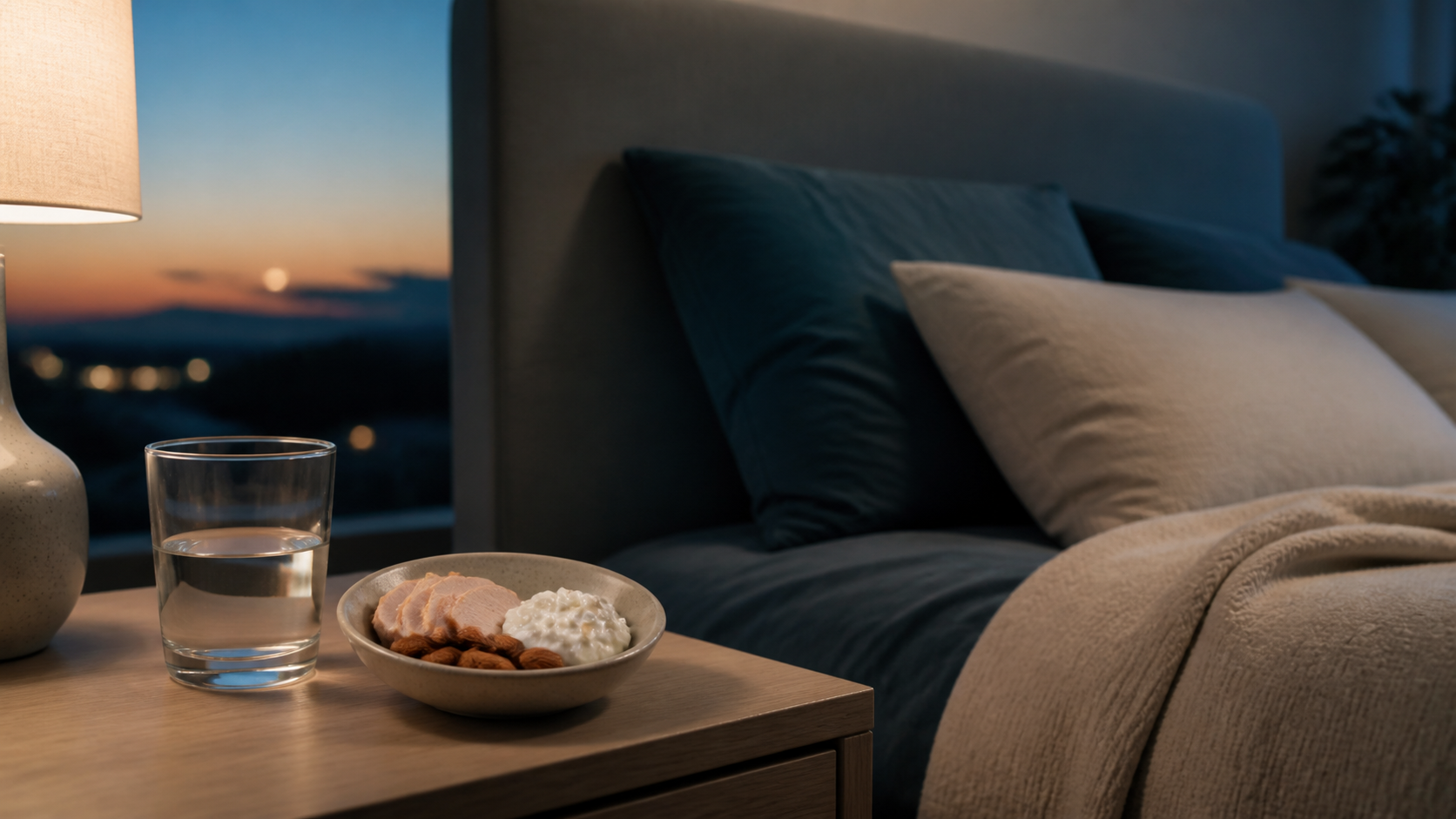
Glycine is an amino acid made by the body and present in many protein-containing foods. Interest in glycine and sleep comes from a few small human studies that reported changes in subjective sleep quality or next-day performance. That is useful context—not proof that a glycine supplement treats insomnia, sleep apnea, or any other condition.
Glycine and Sleep: What Does the Research Say?
A small study of partially sleep-restricted volunteers and earlier studies of subjective sleep quality are frequently cited online. These studies used specific protocols in limited groups; they do not establish a universal dose, long-term safety, or treatment effect. Research summaries can also differ because studies measure different outcomes—such as self-reported sleep, fatigue, or next-day performance.
What the studies can suggest
Glycine may be worth further study for some sleep-related outcomes in selected healthy adults.
What the studies cannot prove
They cannot show that glycine cures insomnia, replaces medical care, or is appropriate for everyone.
Glycine and Sleep Food Sources: The Bigger Picture
Food is a practical place to begin. Glycine is part of dietary protein, so it is present across many foods rather than in one “sleep food.” A varied eating pattern can include beans, soy foods, dairy, poultry, fish, meat, seeds, and gelatin-containing foods. Food is not a treatment for insomnia, and a late heavy meal can disrupt sleep or reflux for some people.

Glycine Supplements: A Careful Checklist
Supplement marketing is not the same as clinical evidence. The FDA does not approve dietary supplements for safety and effectiveness before they are marketed. Review the Supplement Facts panel, avoid blends that hide ingredient amounts, and do not assume “natural” means risk-free.
- Clarify the sleep problem. Trouble falling asleep, repeated waking, snoring, pain, and daytime sleepiness can need different solutions.
- Review the full picture. Include caffeine, alcohol, over-the-counter products, prescription medicines, and other supplements.
- Consider your health context. Pregnancy, breastfeeding, childhood, chronic conditions, upcoming surgery, and medication use all call for professional advice first.
- Prioritize proven foundations. A regular schedule, a dark quiet room, daytime activity, and clinical care for persistent insomnia carry more weight than a single ingredient.
Glycine and Sleep Safety, Side Effects, and Interactions
Glycine naturally occurs in food, but a concentrated supplement is a different decision. Human studies use different amounts and schedules, so a research protocol is not personal medical advice. Digestive symptoms can occur with amino-acid supplements, and a new symptom deserves attention.
Healthy Sleep Habits Still Matter Most
For many people, the highest-value changes are behavioral. The National Heart, Lung, and Blood Institute recommends a consistent sleep-and-wake time, a quiet and dark bedroom, and avoiding late caffeine, alcohol, heavy meals, and bright artificial light. For another evidence-aware perspective, see our Magnesium and Sleep guide. If insomnia affects daily life or lasts for weeks, a health professional can discuss evaluation and cognitive behavioral therapy for insomnia (CBT-I).
| Question | Evidence-aware response |
|---|---|
| Can glycine cure insomnia? | No. It is not an established insomnia treatment. |
| Should food be replaced with a supplement? | No. Supplements do not replace a varied diet or medical care. |
| When should I seek help? | When symptoms persist, impair daytime function, or suggest a breathing-related sleep disorder. |
Frequently Asked Questions
What is glycine used for in sleep supplements?
It is often promoted for sleep quality or recovery. The research base is limited, and glycine is not proven to treat insomnia.
Can glycine cure insomnia?
No. Small studies do not show that glycine cures insomnia. Persistent insomnia deserves evidence-based clinical care.
What foods contain glycine?
Protein-containing foods such as beans, soy foods, dairy, poultry, fish, meat, seeds, and gelatin-containing foods contribute glycine.
Is glycine safe to take every night?
Safety depends on the product, amount, medicines, health conditions, and individual circumstances. Ask a clinician or pharmacist before regular use.
Can glycine help with sleep apnea?
Do not use glycine instead of evaluation or treatment for sleep apnea. Snoring with gasping, breathing pauses, or marked daytime sleepiness needs clinical attention.
References
- GeroScience — Systematic Review of Glycine Administration in Human Adults
- Frontiers in Neurology — Glycine and Daytime Performance in Partially Sleep-Restricted Volunteers
- Journal of Pharmacological Sciences — Glycine and Sleep Quality Review
- U.S. Food and Drug Administration — FDA 101: Dietary Supplements
- National Heart, Lung, and Blood Institute — Healthy Sleep Habits
Medical disclaimer: This article is for general educational purposes only and is not a substitute for professional medical or nutrition advice, diagnosis, or treatment.
