
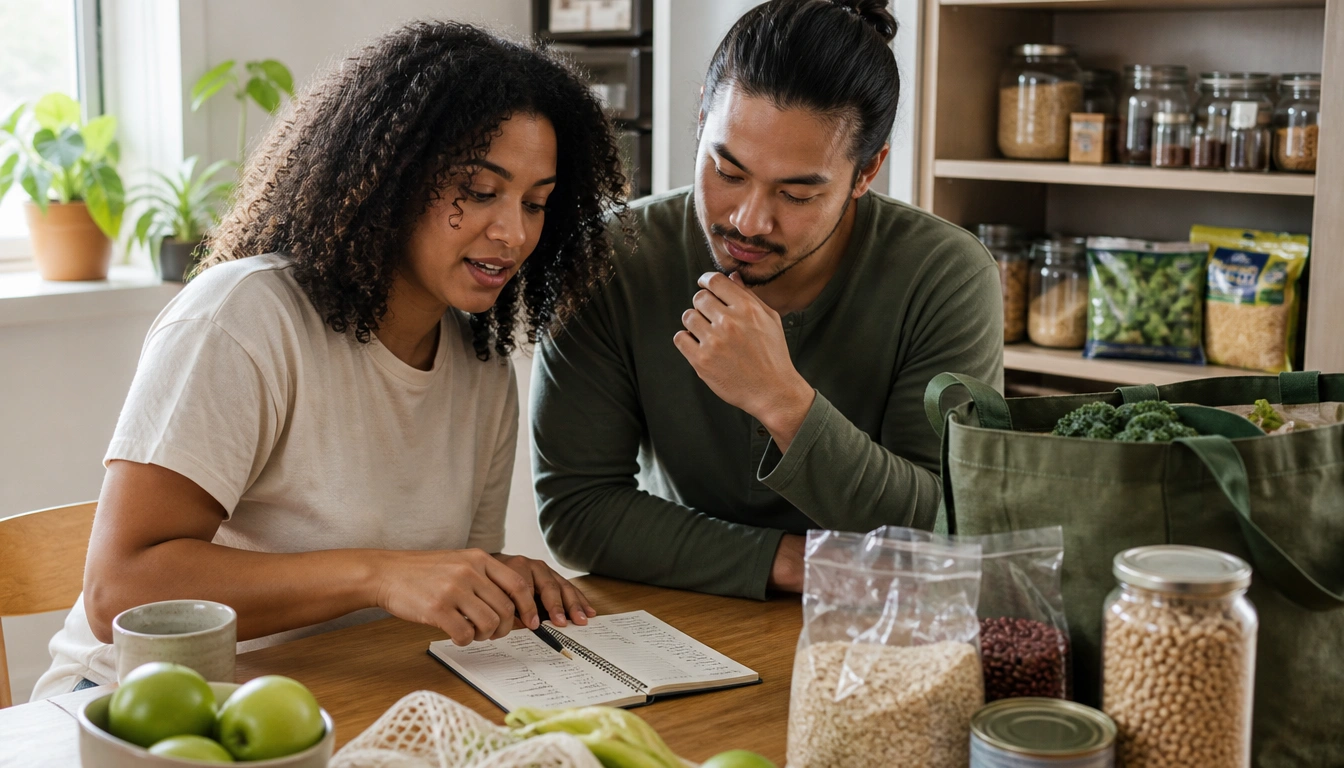
You can plan healthy grocery shopping on a tight budget by using a simple weekly routine: check what is already in your pantry, fridge, and freezer; build meals around those items; make a short list; and buy foods that offer the best value per serving, not just the lowest sticker price. Focus on flexible staples, watch for spoilage, and use frozen or canned options when time is tight.
Key Takeaways
- Planning matters because waste, impulse buys, and convenience purchases can erase savings even when the store seems cheap.
- Dry beans, lentils, oats, brown rice, eggs, frozen vegetables, and seasonal produce are common budget staples that support nutrition and satiety.
- Unit pricing helps you compare package sizes, store brands, and bulk options more accurately than shelf price alone.
- Frozen and canned foods can be smart budget choices when fresh produce is expensive, limited, or likely to spoil before you use it.
- People with diabetes or high blood pressure should pay close attention to sodium, added sugars, and fiber even when buying low-cost foods.
Why healthy eating on a budget is realistic
Healthy grocery shopping on a tight budget is possible, but it works better as a system than as a one-time bargain hunt. Public health guidance from the USDA and CDC supports planning meals, buying with a list, and preparing food in ways that match both budget and schedule. That matters because low-cost choices are not always the cheapest over the week. A cart full of convenience foods may look affordable at checkout and still cost more once waste, extra snacks, and takeout fill the gaps.
The most useful shift is to think in terms of nutrition per dollar and food used per dollar. Foods such as beans, lentils, oats, eggs, frozen vegetables, and seasonal produce usually provide more fiber, vitamins, and satiety than highly processed foods. Harvard researchers and U.S. nutrition agencies have consistently highlighted the value of whole, minimally processed foods for budget-conscious eating. The advantage is not only health. Flexible staples can be reused in several meals, which reduces the need for last-minute purchases.
The other reason planning matters is the waste factor. Spoiled produce, forgotten leftovers, and duplicate purchases can quietly push a budget off track. A routine that starts with what you already own helps you spend on food you will actually eat.
Build the week from what you already have
The most efficient budget routine follows the USDA-style plan, purchase, prepare approach. Start by looking through the fridge, freezer, and pantry before you shop. Make a quick list of foods that need to be used soon, plus shelf-stable items that can anchor meals. This prevents the common problem of buying more of what you already have while the older food goes bad.
Then sketch a simple weekly menu around those items. Keep it practical. If you already have rice, frozen vegetables, and eggs, that can become breakfast bowls, stir-fries, or fried rice. If you have canned beans and pasta, you may be one sauce or one vegetable away from several meals. Planning does not have to mean seven unique dinners. Repeating ingredients across meals is one of the best ways to save money and reduce food waste.
Next, write a strict grocery list based only on the missing ingredients. Try to group the list by store section so you can shop quickly and avoid wandering. The more specific the list, the less room there is for impulse purchases. Shopping after a meal, not when hungry, also helps because hunger tends to push people toward energy-dense snack foods that do not support the week’s meal plan.
Buy for value, not just price
Cheap at the shelf is not always cheap in the end. Unit pricing is one of the best tools for budget grocery shopping because it shows the cost per ounce, pound, or gram. That lets you compare brands and package sizes more fairly. A large package may seem like a better deal, but if part of it spoils, the real cost goes up. Store brands often help stretch the budget too, because they usually offer similar basic nutrition and safety standards at a lower price than name brands.
Package size matters for households with limited storage or no freezer space. Bulk can save money only if you can finish the food before it spoils. For dry goods like oats, rice, and beans, larger packages may make sense if you have room. For fresh produce, dairy, and meat, the cheapest package is the one you can realistically use in time.
When comparing options, also think about convenience. A lower-cost item that requires long cooking or extra ingredients may not work if your week is packed. In that case, a slightly more expensive choice that you will actually use can still be the better value. Budget shopping is not about choosing the cheapest item every time; it is about choosing the option most likely to become an actual meal.
Choose staples that stretch across many meals
Some foods are budget favorites because they work in many combinations. Dry beans and lentils are especially useful. They provide protein, fiber, and minerals, and they can become soups, burrito fillings, grain bowls, salads, or side dishes. Eggs are another flexible protein that can anchor breakfast, lunch, or dinner. Oats, brown rice, and whole-wheat pasta are filling grains that store well and can carry meals with inexpensive vegetables or sauces.
For produce, frozen vegetables are often the easiest way to keep costs steady. They are usually picked at peak ripeness and frozen quickly, which helps preserve nutrients and reduces spoilage. Canned vegetables and fruits can also be useful, especially when fresh options are expensive or unavailable. Look for canned items packed in water, their own juice, or without heavy sauces. When needed, rinsing canned beans or vegetables can lower sodium.
Fresh produce still has an important place, especially when it is in season. Seasonal fruit and vegetables are often cheaper and taste better because supply is higher. The best strategy is to mix formats: fresh when it is affordable and likely to be used quickly, frozen when you want convenience and less waste, and canned when shelf life and cost matter most. That flexibility is what lets a budget plan survive a busy week.
| Option | Best when | Main trade-off |
|---|---|---|
| Dry beans and lentils | You can cook ahead and want the lowest cost per serving | Require soaking or longer cooking time |
| Canned beans | You need speed and very little prep | Often cost more per serving and may be higher in sodium |
| Whole grains | You want fiber, fullness, and good shelf life | May take longer to cook than instant packets |
| Fresh produce | It is in season and you will use it soon | Spoils faster |
| Frozen or canned produce | You need flexibility, less waste, and easy prep | Quality depends on the brand and the added ingredients |
Stretch protein and produce by building meals that repeat ingredients in different forms. A roasted chicken can become sandwiches, soup, or a rice bowl. A bag of carrots can be used raw, roasted, or added to stew. This approach lowers waste without making every meal feel identical.
Use shortcuts that still fit the budget
Many households cannot cook everything from scratch, and they should not have to. Time poverty is a real budget issue because it pushes people toward takeout, impulse purchases, or foods that are cheap only in theory. The goal is to use shortcuts that still respect the grocery budget.
Canned beans are a good example. Dry beans are usually cheaper, but canned beans can be the better choice when you need dinner fast. Frozen vegetable blends, pre-cut stir-fry mixes, and plain frozen fruit can also save time without forcing you into expensive convenience meals. Even partially prepared items can be useful if they help you avoid buying a full expensive meal outside the home.
Leftovers are another shortcut. Cooking once and eating twice can be a major savings strategy if you plan it on purpose. Make extra grains, roast extra vegetables, or cook a larger batch of soup. Then use those leftovers for lunches or a second dinner. The key is to store them promptly and label them so they do not disappear into the back of the fridge.
If you rely on convenience foods, check the labels carefully. Some inexpensive frozen meals, soups, sauces, and canned items can be high in sodium, added sugars, or refined grains. Affordable does not have to mean nutritionally weak, but you do need to read the label before assuming a shortcut is a good buy.
Prevent waste with safe storage and smart freezing
Food waste is one of the biggest hidden costs in budget shopping. The more food you throw away, the less value you get from your grocery bill. Smart storage starts the day you bring food home. Put the most perishable items where you will see them first, and use the “eat soon” foods in the next few days.
Freeze extra meat, bread, cooked grains, and many vegetables if you know you will not use them in time. Safe thawing matters: use the refrigerator, cold water, or the microwave, not the countertop. The CDC and other public health sources also advise against leaving leftovers out at room temperature for too long. As a general safety practice, refrigerate leftovers quickly and use them within a few days unless you freeze them. If food smells off, looks questionable, or has been left out too long, it is safer to discard it.
Small habits help food last longer. Keep cut produce sealed, use clear containers so leftovers are visible, and rotate older items to the front. If you have limited freezer space, freeze only the items most likely to spoil. A small, organized freezer can save more money than a large, chaotic one.
Adjust for diabetes, hypertension, pregnancy, children, and older adults
Budget foods still need to fit the needs of the people eating them. For diabetes, foods with more fiber and less added sugar are usually better choices because they support steadier blood glucose. That does not mean expensive specialty products. Beans, lentils, oats, vegetables, whole grains, and plain yogurt can all fit well in a budget-friendly pattern. Watch for added sugars in flavored oatmeal, cereal, sauces, and drinks.
For high blood pressure, sodium matters even when the food is cheap. Canned soups, sauces, frozen meals, deli meats, and some canned vegetables can be high in sodium. Look at the Nutrition Facts label and the ingredient list. When possible, choose lower-sodium versions, rinse canned beans or vegetables, and season with herbs, spices, garlic, citrus, or vinegar instead of relying on salty sauces.
Pregnant people, children, and older adults may need extra attention to nutrient adequacy. Tight budgets should not crowd out key foods that provide protein, calcium, iron, folate, vitamin B12, or other important nutrients. In these groups, the cheapest option is not always the best option if it leads to missed nutrition needs. If a child is a picky eater, if an older adult is eating very little, or if pregnancy makes food access more difficult, it is worth getting personalized guidance.
Know when the budget problem needs outside support
If your grocery budget is so tight that you are regularly skipping meals, relying on emergency food, or unable to buy enough nutritious food for the week, planning alone may not solve the problem. That is a food access issue, not a personal failure. Government assistance programs such as SNAP and local food banks are designed to bridge gaps like this. They can make healthy eating more realistic while you stabilize income, work hours, transportation, or household expenses.
Professional help can also be useful if you have diabetes, hypertension, pregnancy-related nutrition needs, trouble affording medically appropriate foods, or anxiety about running out of food. A registered dietitian, clinician, community health worker, or local social services office can help you match your food plan to your health needs and available resources. The point is not to buy perfect groceries. The point is to make the healthiest plan that your time, money, and storage can actually support.
Frequently Asked Questions
What are the best cheap healthy staples to keep on hand?
The most useful budget staples are usually dry or canned beans, lentils, oats, brown rice, whole-wheat pasta, eggs, frozen vegetables, and seasonal produce. These foods are versatile, filling, and easier to combine into multiple meals than most convenience foods.
How do I make a grocery list that prevents impulse spending?
Start with your pantry, fridge, and freezer, then plan a few meals around what you already have. Write only the missing items, group them by store section, and shop after eating. A strict list reduces wandering and makes impulse buys easier to spot.
Is it better to buy fresh, frozen, or canned produce on a budget?
It depends on how fast you will use it. Fresh produce is best when it is in season and you can use it quickly. Frozen works well for convenience and low waste. Canned is useful for shelf life, but choose options with no added sugar or heavy sodium when possible.
How can I stretch protein purchases without overspending?
Use protein across several meals instead of centering every meal on a large portion. Beans, lentils, eggs, canned tuna, and split meals with grains and vegetables can go further. Buying family packs and freezing portions can also help if you have space.
How do I use unit pricing to find the best value at the store?
Compare the cost per ounce, pound, or gram rather than the shelf price alone. That helps you judge package sizes fairly. A bigger package is only a better deal if you can actually use it before it spoils.
The Bottom Line
Healthy grocery planning on a budget works best as a repeatable routine: check what you already have, plan simple meals, shop with a strict list, and choose flexible staples that can serve more than one meal. That approach protects both nutrition and money.
The smartest budget foods are often the ones that waste least and stretch farthest. Dry beans, lentils, oats, whole grains, eggs, and frozen or seasonal produce can all support a healthy pattern when you match them to your schedule, storage space, and health needs.
If cost is making it hard to eat enough or eat well, use food assistance and local support early rather than waiting until the situation becomes a crisis. Planning helps, but outside resources can be part of a practical food strategy too.
Medical disclaimer
Medical disclaimer: This content is for educational and informational purposes only and is not a substitute for professional medical advice, diagnosis, or treatment. Dietary needs and supplement suitability vary by individual.
Sources
- U.S. Government / Health Authority — usda.gov. Accessed October 2026.
- Centers for Disease Control and Prevention (CDC) — cdc.gov. Accessed October 2026.
- U.S. Government / Health Authority — nutrition.gov. Accessed October 2026.
- Academic Research Institution — harvard.edu. Accessed October 2026.
