
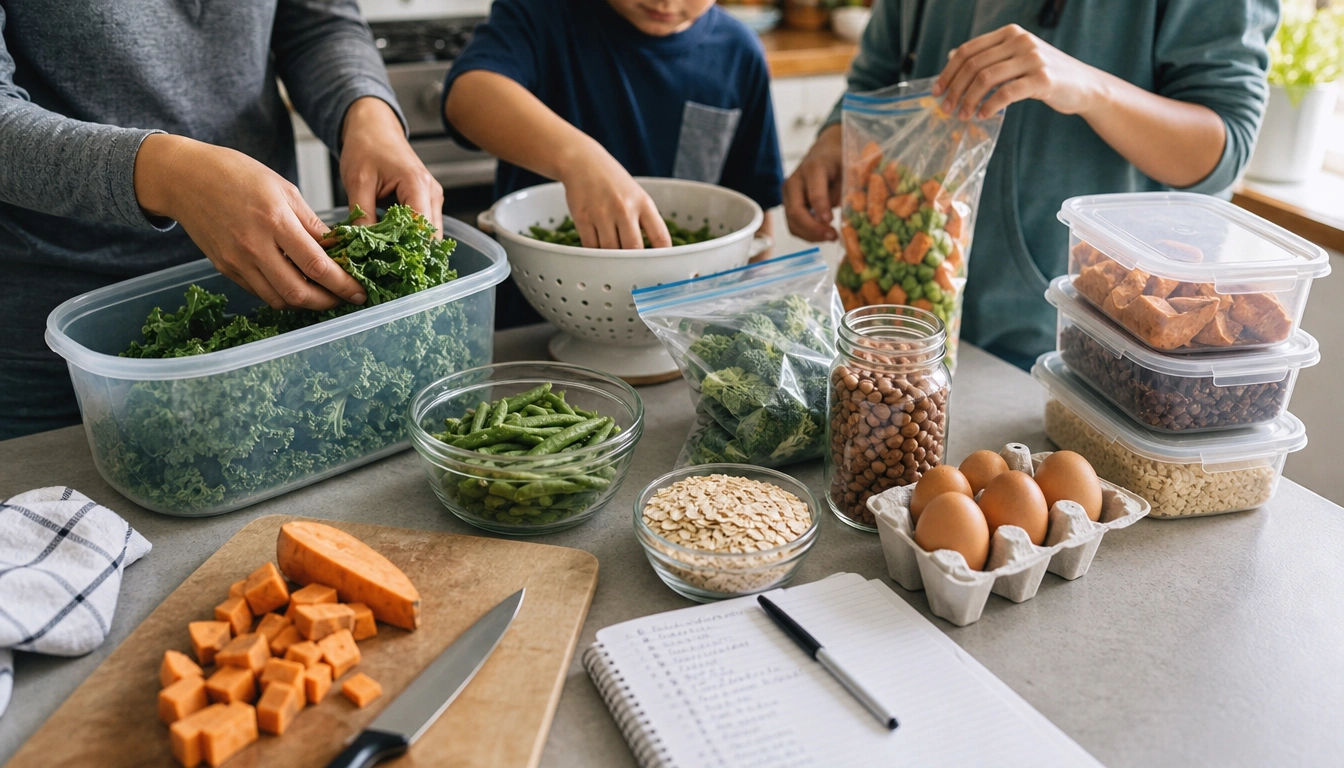
Healthy weekend planning for budget-conscious households works best when you keep it simple: check what you already have, build a short grocery list around sales and low-cost staples, and prep a few flexible ingredients for the week. That approach can reduce impulse buys, limit food waste, and make weekday meals easier without requiring expensive ingredients or a long cooking session.
Key Takeaways
- A short weekend planning session can cut decision fatigue, reduce takeout, and help you use food you already own before it spoils.
- Frozen, canned, and dried produce can be nutritionally useful and often cheaper than fresh, especially when spoilage is a concern.
- The best budget grocery lists focus on versatile staples such as oats, rice, beans, lentils, eggs, canned fish, and seasonal produce.
- If you only have one or two hours, prep a grain, a protein, a vegetable base, and one breakfast item you can reuse in different meals.
- Food safety matters as much as savings: cool leftovers quickly, refrigerate promptly, and freeze extras before they turn into waste.
Make the weekend your budget anchor
Healthy weekend planning for budget-conscious households starts with one realistic habit: spend a small block of time on Saturday or Sunday deciding what the week will look like before hunger and fatigue make the decisions for you. That matters because unplanned weekday eating tends to cost more. It also leads people toward convenience foods, extra store trips, and random add-ons that were never part of the original budget.
Weekend planning does more than improve nutrition. It reduces impulse buying, lowers the chance of last-minute takeout, and gives you a better shot at using what is already in the kitchen. The U.S. Department of Agriculture and Nutrition.gov both encourage planning meals around a shopping list and using what is on hand first. For many households, that is the difference between a workable week and a week of food waste plus overspending.
The easiest version is not a complicated meal plan. It is a short set of decisions: what breakfasts are covered, what lunches can be repeated, what dinners can share ingredients, and what items are already in the pantry or freezer. Once those are clear, the rest of the plan becomes much easier to follow.
Start with a pantry, fridge, and freezer check
Before you shop, look through what you already own. That includes the pantry, refrigerator, freezer, and even the backs of shelves where forgotten ingredients often hide. This is not about organizing perfectly. It is about avoiding duplicate purchases and putting older food to use before it spoils.
A quick inventory can be done in under 15 minutes if you focus on broad categories: grains, proteins, vegetables, fruit, breakfast foods, and snack items. Write down the ingredients that are close to being used up, such as half a bag of rice, a can of beans, or frozen vegetables that need to be moved into next week’s meals.
Then match those ingredients to a few meal ideas. For example, rice plus beans plus frozen vegetables can become a stir-fry, grain bowl, or soup. Eggs and spinach can work for breakfast, lunch, or a quick dinner. The goal is not a perfect recipe library; it is a plan that uses what you already paid for.
If you shop without this step, you are more likely to buy duplicates, overlook ingredients that need to be used, and end up throwing away food that could have been part of several meals.
Build your grocery list from sales, coupons, and simple meals
A budget-friendly grocery list is strongest when it starts with what is affordable this week, not with a long wish list. Check store circulars, loyalty apps, or digital coupons, then build meals around the best prices. That does not mean buying only what is on sale. It means letting the sale items shape the plan so the grocery bill stays under control.
Useful lists tend to stay short and flexible. Instead of choosing separate ingredients for every meal, choose a few shared building blocks. One grain, one bean or protein, two or three vegetables, one breakfast option, and one fruit option can cover a surprising number of meals when combined in different ways.
This is also where the schedule matters. If weekday evenings are busy, buy foods that can be assembled quickly. If you know one night will be chaotic, plan a shelf-stable dinner such as whole-grain pasta with canned tomatoes, beans, and frozen vegetables. If there is room for a slightly longer meal, make a batch that can become leftovers.
Sticking to a written list is one of the most effective ways to protect the budget. It keeps you from paying extra for extras you did not plan to use, especially when shopping while tired or hungry.
Choose low-cost staples that still deliver good nutrition
The best cheap staple foods for healthy meal prep are usually the foods that stretch well across several meals. Whole grains such as oats, brown rice, barley, and whole-wheat pasta can form the base of breakfasts, bowls, soups, and sides. Beans, lentils, and chickpeas offer protein, fiber, and flexibility without needing expensive preparation.
Eggs are another reliable option for many households because they can work for breakfast, lunch, or dinner. Canned fish such as tuna or salmon can be useful for quick meals, especially when fresh protein is too expensive that week. Seasonal produce is often the lowest-cost fresh produce choice, but frozen vegetables can be even more practical when prices rise or schedules are unpredictable.
USDA MyPlate and Nutrition.gov both support using frozen, canned, and dried produce as smart options when freshness, price, or spoilage are concerns. The best choice is often the one you will actually use. Frozen vegetables are usually picked and packed at peak ripeness. Canned vegetables and fruit can be just as useful if you choose low-sodium or no-added-sugar versions. Dried fruit can work in small amounts for snacks or breakfast toppings, though it is more concentrated and should be used with care if you are watching added sugar.
For flavor and variety, mix forms instead of treating one type as “better” than the others. Fresh tomatoes might brighten a salad, frozen broccoli can round out a dinner, and canned beans can turn a bland meal into something filling. That mix helps with both nutrition and waste control.
Use a simple prep flow that fits real time limits
If you only have one or two hours, aim for a prep session that produces mix-and-match ingredients, not a week of identical meals. A workable approach is to cook one grain, one protein, one vegetable base, and one flexible breakfast item. That can be enough to create lunches, dinners, and a few backup meals without starting from scratch every night.
For example, you might cook rice or oats, roast a tray of vegetables, make lentils or chicken, and prepare boiled eggs or overnight oats. Then store each item separately so you can combine them in different ways. Rice plus vegetables plus beans works one day; eggs with toast and fruit works another; pasta with vegetables and canned fish can fill a gap later in the week.
If monotony is the concern, do not prep full meals in identical containers unless that truly helps your household. Prep ingredients that can be assembled differently with sauces, herbs, or simple condiments already at home. That approach reduces menu fatigue and also lets you use sale items more creatively.
For households that cannot spare a long cooking session, shelf-stable shortcuts are a strength, not a failure. Pre-cut frozen vegetables, canned beans, microwaveable grains, and ready-to-eat salad greens can make the difference between an affordable home meal and an expensive takeout order.
Protect your food budget with safe storage and leftovers
Food safety is part of food budgeting because spoiled food is money lost. According to the Centers for Disease Control and Prevention, cooked foods should not sit in the temperature danger zone for more than two hours, or one hour if the room is very warm. That means leftovers should be refrigerated promptly in shallow containers so they cool quickly.
As a general guide, refrigerated leftovers are best used within 3 to 4 days unless they are frozen sooner. If you know you will not eat a cooked meal in that window, portion some of it into the freezer right away. That is one of the easiest ways to prevent waste, especially after batch cooking.
Labeling containers with the date can help, but the habit that matters most is cooling food fast and storing it properly. Keep raw meat separate from ready-to-eat foods, reheat leftovers thoroughly, and do not leave cooked food out “just for a little while” while you finish cleaning up or helping the kids. Small storage mistakes can undo a whole weekend of careful planning.
If you cook in bulk, freeze in meal-sized portions so you can pull out only what you need. That prevents repeated thawing and makes it easier to use up leftovers on a busy night without creating another round of waste.
Adjust the plan for children, pregnancy, active adults, and medical needs
Not every budget plan should look the same. Children, pregnant people, active adults, and people managing diabetes or high blood pressure may need different food choices, portions, or budget priorities. The best plan is the one that supports the people in the household rather than forcing everyone into the same template.
For children, keep meals simple and familiar while still using budget staples. Mild flavors, easy-to-eat textures, fruit, yogurt, eggs, beans, and whole grains can work well. For pregnant people, planning should pay attention to food safety, iron, folate, protein, and overall variety. Active adults may need larger portions or extra carbohydrate and protein at certain meals to support energy needs.
If someone has diabetes, prioritize high-fiber foods such as beans, non-starchy vegetables, and whole grains, and be cautious with refined starches and sugary drinks. If someone has hypertension, choose low-sodium or no-salt-added canned goods and rinse canned beans or vegetables when appropriate. Budget planning can still work well here, but the item choices need to reflect the medical goal.
When time is the bigger problem than money, lean harder on shelf-stable and pre-prepped items. A household working long shifts may do better with frozen vegetables, canned proteins, bagged salads, microwave grains, and simple breakfast foods than with a detailed from-scratch plan that never gets made.
Avoid the mistakes that make healthy eating more expensive
Several common mistakes can raise costs even when the grocery list looks reasonable. One is shopping without checking what is already at home. Another is buying too many ingredients for recipes that only use one or two meals’ worth of food. A third is choosing a plan that requires more prep time than the household actually has.
Another expensive mistake is treating fresh food as the only healthy option. If fresh produce is too costly or likely to spoil, frozen, canned, and dried foods can fill the gap without lowering food quality. That flexibility is especially important during busy weeks, seasonal price swings, or periods when store trips are limited.
It also helps to avoid “aspirational” meal plans that look ideal on paper but do not fit the household’s habits. If you never have time to cook elaborate dinners, a plan built around them will usually fail and lead to more takeout. A simpler plan that uses repeatable meals, leftovers, and backup shelf-stable options is more likely to save money and reduce stress.
Finally, do not wait until everything has to be used at once. Freeze extra portions early, rotate older items to the front, and build the next weekend’s plan around what remains. That turns planning into a cycle instead of a one-time event and helps both the food budget and the grocery list stay under control.
Frequently Asked Questions
What low-cost foods are healthiest to buy for a week of meals?
The most useful budget staples are usually oats, brown rice, whole-wheat pasta, beans, lentils, eggs, canned fish, frozen vegetables, and seasonal fruit or produce. These foods are versatile, filling, and easy to turn into multiple meals without a lot of extra ingredients.
How do I build a grocery list from what I already have at home?
Start with a quick pantry, fridge, and freezer inventory. Write down what needs to be used soon, then plan meals around those ingredients before adding anything new. Match that list with store sales so you only buy items that fill a real gap.
How can I meal prep on the weekend if I only have one or two hours?
Focus on a few ingredients that can be reused in different meals: one grain, one protein, one vegetable base, and one breakfast item. Store them separately so you can mix and match during the week instead of cooking full meals from scratch every day.
Are frozen, canned, and dried foods as healthy as fresh foods?
Often, yes. Frozen produce is frequently picked at peak ripeness, and canned or dried foods can be nutritious and budget-friendly too. Choose low-sodium or no-added-sugar canned items when possible, and use a mix of fresh, frozen, canned, and dried foods to balance cost and convenience.
How can I keep budget meal prep safe and prevent food waste?
Cool cooked food quickly, refrigerate leftovers promptly in shallow containers, and use refrigerated leftovers within 3 to 4 days or freeze them sooner. Label containers with dates and freeze extra portions before they spoil, especially if you know the week will be busy.
The Bottom Line
Healthy weekend planning does not have to mean elaborate recipes or a big grocery haul. A short inventory, a focused shopping list, and a few flexible prep ingredients can make weekday meals cheaper, faster, and less wasteful.
The most effective budget plans are the ones that fit your real life. Use sales, choose shelf-stable or frozen options when time is tight, and adjust the food list for children, pregnancy, activity level, or medical needs when necessary. Food safety should stay part of the routine so the savings do not disappear into spoiled leftovers.
Medical disclaimer
Medical disclaimer: This content is for educational and informational purposes only and is not a substitute for professional medical advice, diagnosis, or treatment. Dietary needs and supplement suitability vary by individual.
Sources
- Centers for Disease Control and Prevention (CDC) — cdc.gov. Accessed November 2026.
- U.S. Government / Health Authority — usda.gov. Accessed November 2026.
- U.S. Government / Health Authority — nutrition.gov. Accessed November 2026.
