
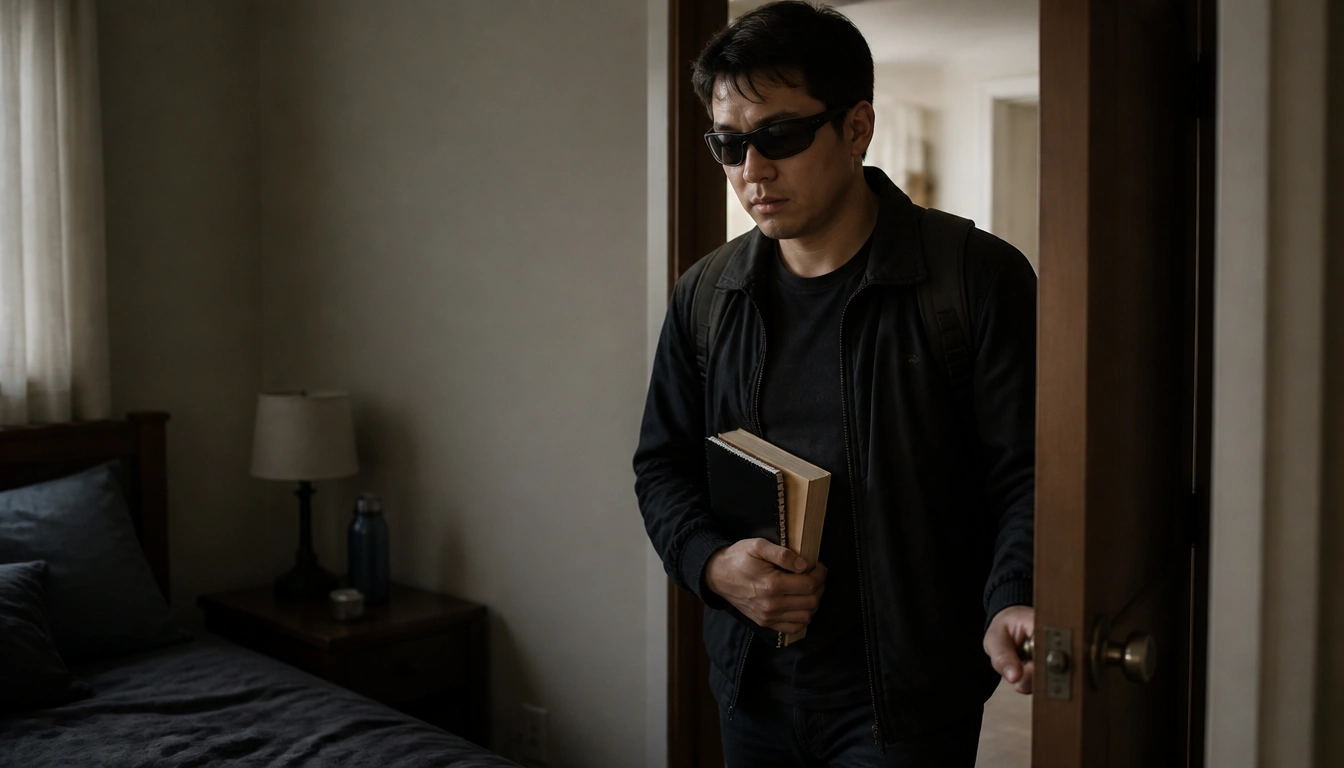
If you want to fall asleep faster after a shift, stop screens about 30 to 60 minutes before your intended sleep time and replace them with low-arousal habits that calm your body and mind. For night shifts, add morning light protection on the commute home, keep the bedroom dark and quiet, and use a routine that matches the shift you actually worked rather than a generic bedtime plan.
Key Takeaways
- A short screen-free window before sleep can reduce light exposure and mental stimulation that delay sleep after shifts.
- After a night shift, dark wrap-around sunglasses on the commute home can help limit morning light that pushes your body toward alertness.
- Better substitutes for scrolling include paper reading, a warm shower, and a handwritten brain dump.
- If you are dangerously sleepy after work, a 20–30 minute parking-lot nap before driving may be safer than forcing the commute home.
- A protected anchor sleep block across workdays and days off may work better than trying to live on a fully daytime schedule.
- Persistent insomnia or extreme sleepiness despite good sleep habits can be a sign you need medical evaluation for shift work sleep disorder.
Why shift work makes screens more harmful before sleep
Shift work already puts your body in a tug-of-war with its circadian clock. Your brain is built to pair wakefulness with light and sleep with darkness, so trying to sleep after an overnight or late shift is harder even before screens enter the picture. Screens add two extra problems: their short-wavelength light can suppress melatonin, and the content itself can keep your mind activated.
That matters most when you are trying to sleep at an unusual time, such as after an 8 a.m. end to a night shift or after a late evening shift when you still need to fall asleep quickly. In those windows, even “just checking” your phone can stretch out the time it takes to feel sleepy. The goal is not perfection. The goal is to lower stimulation enough that your body gets a clear signal that the workday is over.
Public health guidance from the CDC, NIH, and NHS supports limiting electronic devices before sleep and managing light exposure after night work. For shift workers, that is not just generic sleep advice. It is a practical way to reduce the friction between your schedule and your biology.
Create a digital sunset and move devices out of reach
Start by picking a fixed buffer of 30 to 60 minutes before your intended sleep time. That is your digital sunset. During that window, power down or silence phones, tablets, laptops, and TVs. If your phone tends to pull you back in, do not leave it on the nightstand. Put it in another room, in a drawer, or on the far side of the home so reaching for it is no longer automatic.
For shift workers, device boundaries work best when they are tied to the sleep window, not the clock alone. If you sleep after a night shift, your digital sunset may begin in the morning. If you sleep after an evening shift, it may begin late at night. The point is to protect the hour before sleep, whatever hour that happens to be.
If you need a practical substitute, keep the replacement ready before the shift ends. Paper books, printed magazines, a notebook, or a small stack of non-digital reading material can make the transition easier. When the phone is out of reach and the replacement is already waiting, you are less likely to default to scrolling out of habit.
Block morning light after night shifts and swap scrolling for low-arousal habits
Morning light can be useful when you need to stay awake, but after a night shift it can work against sleep by signaling your brain that daytime has begun. That is why dark wrap-around sunglasses are a useful commute-home tool for night-shift workers. They help reduce bright light exposure while you are still trying to preserve your sleep drive. This is a simple, low-effort step that fits the advice from occupational health and sleep guidance on light control after overnight work.
Once you are home, replace scrolling or TV with activities that do not keep your brain in high gear. Good options are boring on purpose: reading paper pages, doing a few minutes of quiet stretching, folding laundry for tomorrow, or sitting with dim lights while you mentally downshift. A warm shower can also help because the cooling that follows may support sleepiness.
A handwritten brain dump is especially useful if screens are part of how you process stress. Keep a notepad nearby and write down tomorrow’s tasks, worries, or reminders in plain language. That gives your brain a place to put unfinished thoughts without pulling you into an email inbox or a social feed.
Set up the bedroom and body cues that tell you it is time to sleep
Shift workers often sleep in imperfect environments, so treat the bedroom as a sleep zone as much as possible. Make it dark with blackout curtains or an eye mask, keep it cool, and reduce noise with earplugs, a white noise machine, or a fan. The more your bedroom feels unlike a worksite, break room, or living room, the easier it is for your body to switch off.
Then add body cues that are easy to repeat. A warm shower can be part of the signal that work is done. Slow breathing for a few minutes can help move you away from the alert, task-focused state you carried through the shift. A brain dump closes the loop on unfinished thoughts so they are less likely to spin in your head once the lights go out.
This routine works best when you do it in the same order most days. Not because routine is magical, but because predictable cues reduce decision fatigue. After a long shift, you should not have to negotiate with yourself about what comes next.
Adapt the routine to the shift you actually worked
A wind-down routine should match the shift pattern, not fight it. After a night shift, the main job is to reduce morning alerting signals fast: block bright light, get home safely, and move into a sleep-friendly environment as soon as you can. After an evening shift, the job is different. You are usually trying to reduce stimulation late at night without the same light-management burden from the commute.
Rotating schedules need even more flexibility. If your shifts move from day to evening to night, try to keep a protected anchor sleep block across workdays and days off. That means preserving a core stretch of sleep or rest at roughly the same time whenever possible, rather than trying to snap back to a full daytime schedule every day off. For many workers, that is more realistic and less exhausting than constant schedule whiplash.
Age and chronotype matter too. Younger adults and people who naturally feel more alert later in the day often tolerate late shifts better. Older adults may need stricter light protection and more consistent routine cues because sleep can become lighter and more easily disrupted. If you know you are not a natural night owl, protect the routine even more tightly.
| Shift type | What to prioritize | What to avoid |
|---|---|---|
| Night shift | Morning light blocking, quiet commute, fast transition to sleep | Bright sunlight, phone scrolling on the ride home, long errands before bed |
| Evening shift | Short digital sunset, low-arousal activities, consistent sleep cue sequence | Late TV binges, work email checks, heavy meals close to bed |
| Rotating schedule | Anchor sleep block, repeatable wind-down steps, flexible timing | Trying to fully reset to daytime sleep on every day off |
What to do if you are too exhausted to drive safely after work
If fatigue is severe, safety comes before sleep optimization. A 20 to 30 minute nap in the parking lot before driving home can be safer than forcing yourself onto the road while dangerously sleepy. This is not a substitute for regular sleep, but it can reduce immediate risk when your reaction time is impaired.
Make the nap brief. Set an alarm, recline enough to rest, and do not turn it into a long sleep that leaves you groggy or pushes your sleep window off track. If possible, plan ahead for this option by keeping a small blanket, eye mask, or alarm setup in the car.
If you feel too exhausted to drive, do not treat that feeling as weakness. Severe sleepiness can impair judgment and reaction time in ways that are directly relevant to crash risk. If you are not alert enough to drive, you are not alert enough to improvise.
Common wind-down mistakes that quietly delay sleep
One common mistake is using screens “just to relax” and assuming passive use does not matter. For shift workers, even low-effort screen time can keep light exposure and mental engagement high enough to slow sleep onset. Another mistake is leaving the phone within arm’s reach, which makes it too easy to check messages after you have already started trying to sleep.
Caffeine, heavy meals, and alcohol can also work against the routine. Caffeine may linger into your wind-down window and make it harder to feel sleepy. A heavy meal can leave you uncomfortably full when you are trying to settle down. Alcohol may feel sedating at first, but it often fragments sleep later and reduces sleep quality rather than improving it.
Another hidden problem is trying to keep the same routine no matter the shift. A night shift requires stronger light control than an evening shift. A rotating schedule may need a protected anchor sleep block rather than a perfect textbook bedtime. The best routine is the one that matches your real schedule and is repeatable enough to become automatic.
When the routine is not enough and you may need medical evaluation
If you still cannot fall asleep, stay asleep, or feel reasonably alert after work despite consistent sleep habits, it may be more than a bad bedtime routine. Ongoing insomnia, excessive sleepiness, and sleep debt in the setting of shift work can point to shift work sleep disorder. The CDC, NIH, and sleep specialists recognize that this pattern can become a clinical problem, not just a lifestyle annoyance.
You should also seek evaluation if your sleep problems are persistent, worsening, or affecting safety at work or on the road. A clinician can look for shift work sleep disorder and also consider other issues that can look similar, such as insomnia, sleep apnea, or another sleep-related condition. In some cases, treatment may include timed light strategies or medication guidance under medical supervision, but those are individualized decisions, not first-line self-treatment.
If you are trying good sleep habits and still struggling, that is useful information, not a failure. It means the problem may need a more formal plan than routine changes alone can provide.
Frequently Asked Questions
How long before sleep should a shift worker stop using screens?
A practical target is 30 to 60 minutes before your intended sleep time. That buffer helps reduce both light exposure and the mental activation that screens can cause. If you are trying to sleep after a night shift, count backward from your daytime sleep window, not from a typical evening bedtime.
What can I do during a screen-free wind-down instead of scrolling or TV?
Choose low-arousal activities that do not pull your mind into problem-solving mode. Good options include paper reading, a warm shower, light stretching, a handwritten brain dump, or sitting quietly in dim light. The best replacement is something easy enough to repeat after a long shift.
How should a wind-down routine differ after a night shift versus an evening shift?
After a night shift, the priority is blocking morning light and getting to sleep quickly once you are home. After an evening shift, the focus is usually on reducing stimulation late at night. The routine can look similar, but the timing and light-control pieces should match the shift you actually worked.
Should I wear sunglasses on the commute home after a night shift?
Yes, dark wrap-around sunglasses can help limit bright morning light exposure on the way home. That matters because morning light can signal your brain to stay awake and may interfere with melatonin. They are most useful when you are heading home to sleep soon after an overnight shift.
What if I’m too tired to drive safely after working overnight?
Do not push through severe sleepiness. A 20 to 30 minute nap in the parking lot before driving can be safer than making a dangerously sleepy commute. Keep it brief, use an alarm, and treat it as a safety step rather than a replacement for sleep.
The Bottom Line
A screen-free wind-down routine works best when it is short, repeatable, and matched to the shift you just finished. For many shift workers, the biggest wins are stopping screens 30 to 60 minutes before sleep, protecting light exposure after night shifts, and replacing scrolling with calmer offline habits.
If your schedule rotates, protect a realistic anchor sleep block instead of trying to live like a daytime sleeper on every day off. And if exhaustion is severe or sleep problems keep happening despite good routines, it is worth getting evaluated for shift work sleep disorder or another sleep issue.
Medical disclaimer
Medical disclaimer: This content is for educational and informational purposes only and is not a substitute for professional medical advice, diagnosis, or treatment. Dietary needs and supplement suitability vary by individual.
Sources
- National Health Service (NHS) — tims.nhs.uk. Accessed October 2026.
- National Institutes of Health (NIH) — nih.gov. Accessed October 2026.
- Centers for Disease Control and Prevention (CDC) — cdc.gov. Accessed October 2026.
- Centers for Disease Control and Prevention (CDC) — cdc.gov. Accessed October 2026.
