
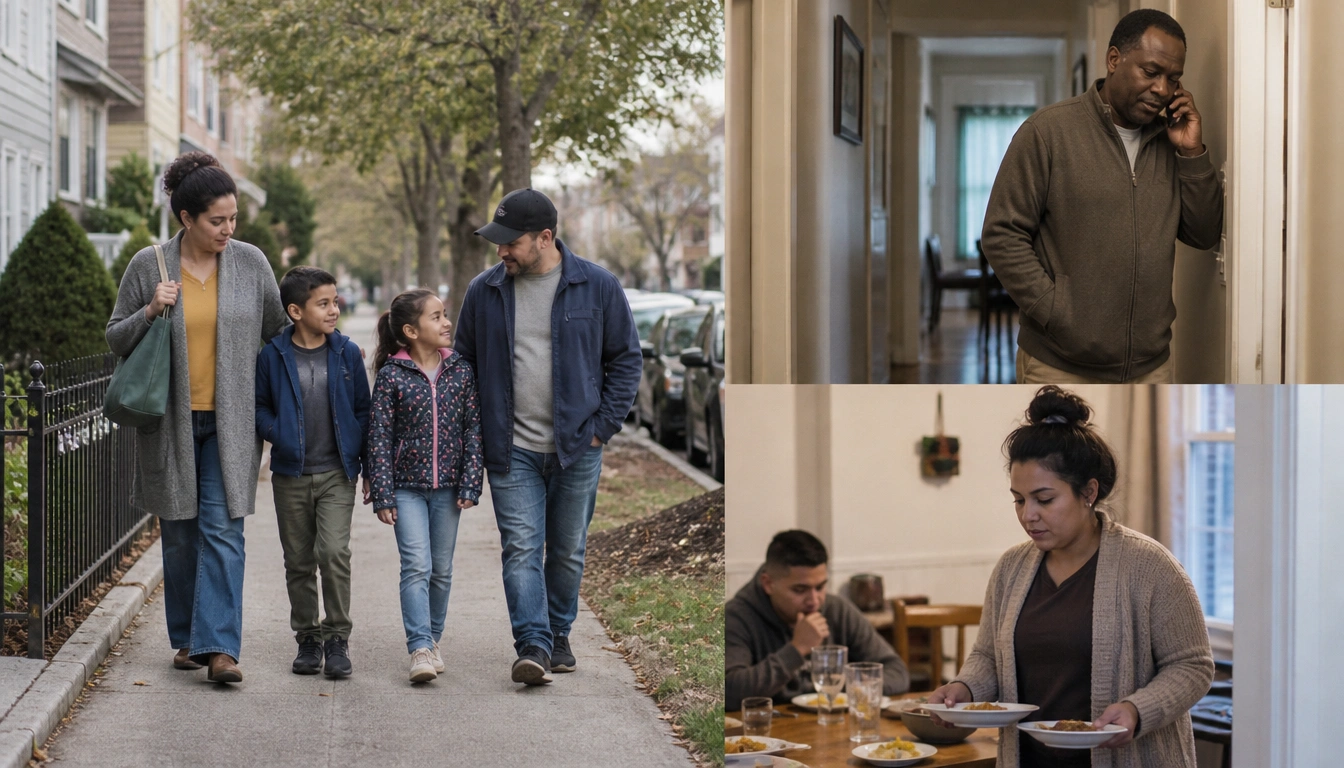
Yes—most adults can build a strong daily step habit without spending money or joining a gym. Public health guidance supports at least 150 minutes of moderate-intensity activity a week, and brisk walking is one of the easiest ways to get there. You can split it into short walks, use household routines to add steps, and rely on free tools like a phone pedometer if you want to track progress.
Key Takeaways
- You do not need one long walk. Three 10-minute brisk walks can be a practical way to build toward weekly activity goals.
- A brisk walk should feel purposeful: breathing is faster, your heart rate rises, and you can talk but not sing.
- Free step boosters include walking after meals, pacing during calls, extending commutes, and doing indoor laps.
- If outdoor walking is unsafe or inconvenient, indoor pacing, shopping centres, public parks, and school tracks can help.
- Beginners, people with joint pain, and older adults may need a slower start, supportive shoes, and balance work alongside walking.
Why a daily step habit is one of the cheapest healthy habits you can build
A daily step habit works well for budget-conscious households because it does not depend on equipment, memberships, or a special location. Walking is simple enough to fit around work, caregiving, errands, and housework, yet it still counts as aerobic activity that supports heart health, circulation, blood sugar control, and mood. The CDC and the NHS both include brisk walking in their advice for moderate-intensity movement.
Walking also scales to real life. You can make it shorter on busy days, longer when you have more time, and easier or harder depending on your pace. That flexibility matters because habits are easier to keep when they match ordinary routines instead of competing with them. For many households, the best plan is not a perfect workout schedule. It is a repeatable way to move every day without adding cost or pressure.
For people who feel inactive, walking has another advantage: it lowers the barrier to starting. A short walk after dinner, a lap around the block, or even a few minutes of indoor pacing can be enough to begin building consistency. Over time, those small bouts can add up to a meaningful weekly total.
How much walking adults should aim for, and what brisk walking feels like in real life
Public health guidance for adults is usually framed as 150 minutes of moderate-intensity aerobic activity each week. Brisk walking is one of the most practical ways to meet that target. For many people, that works out to 30 minutes on five days a week, but it does not have to happen all at once. Three 10-minute walks can be just as useful as one longer walk when they add up over the week.
“Brisk” does not mean rushing. It means walking at a pace that raises your breathing and heart rate enough that you can still talk, but you would not be comfortable singing. Your steps feel purposeful, your arms may swing naturally, and the walk feels more active than a casual stroll. If you are very deconditioned, your brisk pace may be slower than someone else’s. The self-check is how the effort feels in your own body, not how fast you look from the outside.
If you are starting from zero, do not wait until you can do the full guideline perfectly. A few minutes of comfortable movement is a useful starting point, and you can build duration and pace later. Public health advice is meant to guide habits, not create an all-or-nothing standard.
Zero-cost ways to add steps to a household routine
The easiest walking habit is one you attach to something you already do. That is why household routines are so useful. A commute extension can mean getting off public transport one stop early, parking farther away, or walking the long way between stops and entrances. A post-meal walk can mean 10 minutes after lunch or dinner, which is a simple way to make walking part of the day instead of a separate task.
Chores can also become step opportunities. Try pacing while you are on a phone call, doing extra trips instead of carrying everything at once, or walking through the house during TV breaks. If you live with other people, you can build in a shared routine: one lap around the block after dinner, a walk while waiting for the kettle to boil, or a quick walk to a nearby shop for a top-up item instead of driving.
When outdoor walking is limited by unsafe weather or a neighborhood that does not feel comfortable, indoor options still count. You can pace in hallways, walk laps around a room, use stairs if they are safe for you, or walk in place while listening to a podcast or making a call. Many people also use public indoor spaces such as shopping centres during quieter hours, or community spaces like public parks and school tracks when they are open and less crowded. The goal is not a perfect setting. It is a reliable place to keep moving.
How to start from zero without burning out
If you have been sedentary, the most realistic plan is gradual. Start with a duration that feels manageable enough to repeat. For some people that may be 5 minutes after a meal. For others it may be one short indoor walk each day. The first goal is consistency, not speed or distance.
A gentle progression might look like this: begin with short daily walks for a week, then add a few minutes or one extra walk on most days. Once that feels comfortable, make one of those walks a little faster so it starts to feel more like brisk walking. You do not need to increase everything at once. It is usually easier to build one habit at a time than to change pace, duration, and frequency together.
Pay attention to how your body responds. Mild muscle tiredness is common when you are getting started, but sharp pain, unusual breathlessness, dizziness, or joint pain that gets worse during or after walking is a sign to slow down and reassess. If you have a medical condition or you have been inactive for a long time, a healthcare professional can help you decide how to progress safely.
Supportive shoes, joint comfort, and when walking may need modification
You do not need expensive athletic gear, but comfortable footwear matters. Shoes should feel stable, fit well, and reduce rubbing or slipping. If your feet blister easily or you get pain in your knees, hips, or ankles, the shoe choice and walking surface can make a real difference. A flatter, smoother route is often easier on sore joints than uneven ground.
People with arthritis or other joint problems may do better with shorter bouts, slower progress, and more rest between walks. Some days may call for indoor walking rather than a longer outdoor session. That is still useful. If pain is mild and settles quickly, you may only need to reduce pace or duration. If pain is severe, persistent, or associated with swelling, instability, or limping, it is wise to check with a clinician before pushing harder.
Any new chest pain, faintness, or unusual shortness of breath should be treated as a reason to stop and seek medical advice. The same applies if walking makes a known health problem worse. Walking is meant to support health, not to override warning signs.
Special considerations for older adults
Walking can be especially valuable for older adults because it helps maintain lower-body strength, mobility, and bone health. It can also support balance and confidence with everyday tasks. For many people over 65, the best routine is not just more steps. It is a mix of walking plus balance-focused activity and enough recovery to stay comfortable and steady.
If you are an older adult, or you help an older adult build a walking habit, it can help to make the route simple and safe. Good lighting, stable shoes, and familiar surfaces reduce fall risk. Shorter walks spread through the day may be easier than one long outing. If fatigue, dizziness, or fear of falling is present, start with very manageable distances and consider support from a healthcare professional, especially if there is a history of falls.
Balance work does not have to be fancy. The NHS and other public health guidance often encourage adding activities that improve steadiness alongside aerobic movement. A practical approach is to pair a walking habit with simple, safe balance practice that fits the person’s abilities. The combination can be more useful than focusing on steps alone.
Free tracking options that do not require a fitness device
Tracking can help, but it does not have to cost anything. A paper calendar, notebook, or basic notes app can be enough to mark whether you walked, how long you walked, and whether it felt brisk. That can be more useful than chasing a perfect step count, especially when the habit is still new.
Most smartphones also have built-in health or motion features that can estimate steps without a separate device. If you prefer an official public-health tool, the NHS has offered free activity apps and guidance that can help people check consistency and intensity. The point is not to collect data for its own sake. It is to notice patterns, such as which times of day work best and which situations make walking harder.
If you do want a step goal, use it as a rough guide, not a test of worth. Some days the count will be lower because life gets in the way. What matters is the overall pattern across the week.
How to keep the habit going when money, time, or motivation is tight
Habits last longer when they are tied to something predictable. You might walk after breakfast, after school drop-off, after lunch, or after the evening dishes. That kind of placement reduces the need to “find motivation” every day because the cue is already built in.
It also helps to make the habit small enough to survive busy days. On a hard day, a 5-minute walk still preserves the routine. On a better day, you can extend it. This is especially useful for caregivers and households with unpredictable schedules. The aim is to keep the chain of consistency going, not to perform perfectly.
If motivation dips, make the walk easier to start. Put shoes by the door, choose a route that feels safe, invite a housemate, or attach the walk to something enjoyable like a phone call or a podcast. Free habits are often the ones that succeed because they are less fragile. Walking is one of them.
Frequently Asked Questions
How many steps or minutes of walking should adults aim for each day?
Public health guidance commonly uses 150 minutes of moderate-intensity activity per week. That can be split into 30 minutes on five days, or into shorter walks such as three 10-minute bouts. Step counts can vary by person, so minutes and effort are often a better guide than chasing one exact number.
What counts as a brisk walk versus just casual walking?
A brisk walk raises your breathing and heart rate enough that you can talk but not sing. It should feel purposeful rather than leisurely. If the pace is comfortable but barely changes your breathing, it is probably more casual than brisk.
How can I fit walking into a busy household schedule for free?
Attach it to things you already do: walk after meals, pace during calls, add a short commute extension, or do a few laps while laundry runs. The easiest habit is one linked to a routine you already repeat every day.
What are the safest ways to start walking if I’m sedentary or have joint pain?
Start small enough to repeat, then build gradually. Use comfortable shoes, choose flatter surfaces, and keep early walks short. If pain is sharp, worsening, or accompanied by swelling, dizziness, chest pain, or instability, stop and speak with a healthcare professional.
What should older adults do differently when building a step habit?
Older adults often benefit from shorter, steadier walks plus balance-focused activity. Safety matters more, so good footwear, lighting, and stable surfaces help. If there is a history of falls, dizziness, or major medical conditions, it is sensible to get individualized advice before increasing activity.
The Bottom Line
A budget-friendly walking habit does not need special gear, a gym, or a perfect schedule. Start with short walks, make them part of existing routines, and use effort level—not expensive gadgets—as your guide.
If outdoor walking is not practical, indoor laps, pacing, shopping centres, parks, and school tracks can still support a consistent routine. Beginners, people with joint pain, and older adults may need a slower start and a more careful pace.
The most sustainable plan is the one you can repeat on ordinary days. Small bouts of brisk walking, done often enough, are usually better than an ambitious plan you cannot keep up with.
Medical disclaimer
Medical disclaimer: This content is for educational and informational purposes only and is not a substitute for professional medical advice, diagnosis, or treatment. Dietary needs and supplement suitability vary by individual.
Sources
- Centers for Disease Control and Prevention (CDC) — cdc.gov. Accessed November 2026.
- National Health Service (NHS) — www.nhs.uk. Accessed November 2026.
- National Health Service (NHS) — humberrecoverycollege.nhs.uk. Accessed November 2026.
