
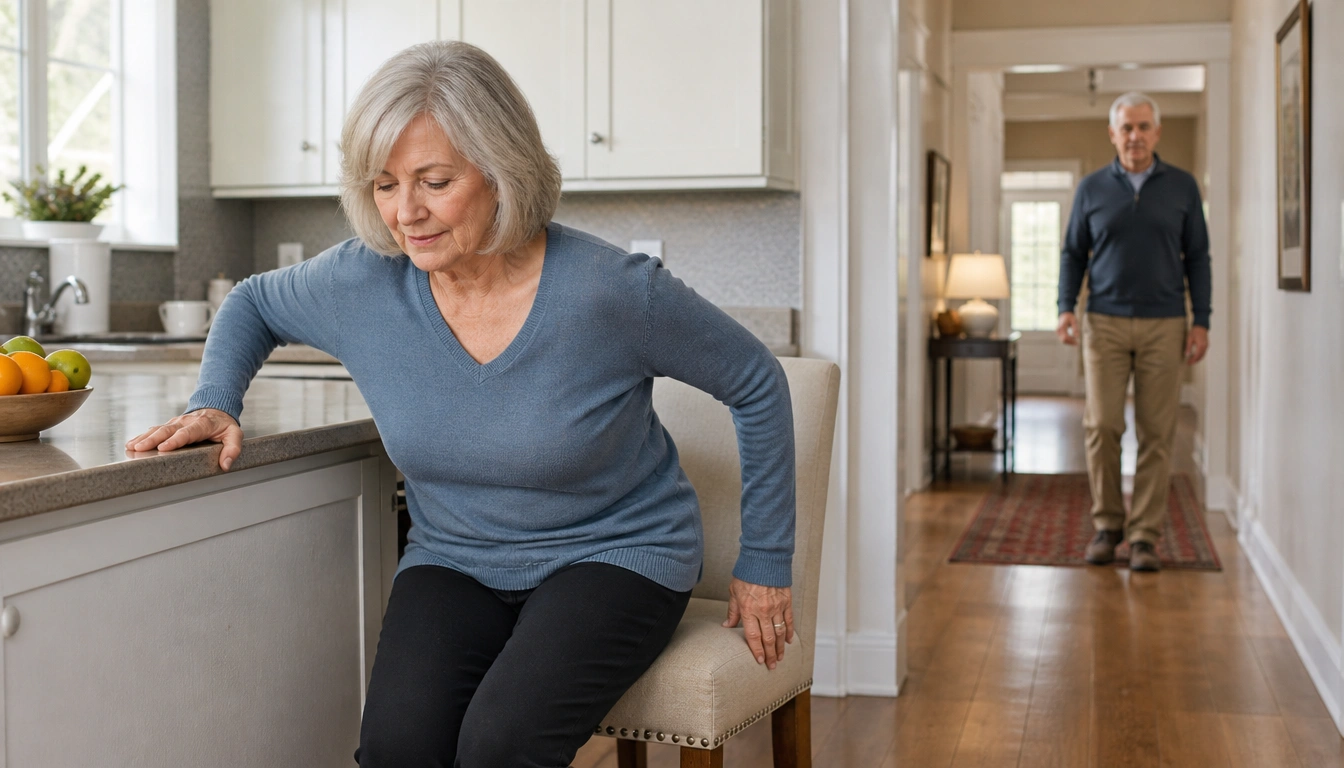
Yes—movement snacks throughout the day can be a practical way for adults over 50 to improve fitness, mobility, and health without a full workout. Short bursts of walking, sit-to-stands, mobility drills, or supported balance work can break up sitting time, support blood sugar control, and build strength and stamina when done consistently. They are especially useful if you feel stiff, deconditioned, busy, or intimidated by traditional exercise.
Key Takeaways
- Movement snacks are short, intentional activity breaks that can be spread across the day instead of done in one long session.
- For adults over 50, the best snacks are usually low-impact: walking, chair rises, counter push-ups, mobility work, and supported balance practice.
- If you are starting from zero, begin with very easy options and build gradually; consistency matters more than intensity at first.
- Movement snacks can help reduce sedentary time, but they do not replace the need for strength and balance work on at least 2 days each week.
- Use daily anchors such as kettle time, commercials, brushing teeth, or microwaving food to make the habit easier to repeat.
Why movement snacks matter more after 50
After 50, the goal is not just “exercise more.” It is to stay capable: getting up from a chair, climbing stairs, carrying groceries, recovering from a stumble, and keeping enough stamina for daily life. The CDC and WHO both emphasize that regular activity helps protect health, but many adults struggle to fit long workouts into real schedules. That is where movement snacks throughout the day become useful.
Long stretches of sitting are a problem on their own. When you sit for hours, your muscles are quiet, circulation slows, and the body gets less practice handling fuel efficiently. Short movement breaks help interrupt that pattern. Even if each snack is brief, repeating them through the day can support mobility, energy, and independence.
For many older adults, the biggest win is not intensity. It is getting started often enough to make movement a normal part of the day again.
How movement snacks work in the body
Movement snacks work by giving the body repeated signals to wake up. A short walk, a few sit-to-stands, or a brief stair climb recruits large muscles in the legs and trunk, which helps improve blood flow and turns on metabolism after sitting. Research summarized in public health and exercise literature suggests that breaking up sedentary time can improve glucose handling and may support cardiovascular and brain health.
Some movement snacks are light and mainly serve to interrupt sitting. Others are a bit more challenging and can raise breathing and heart rate enough to contribute to fitness. That is one reason short bouts can be valuable: they are easier to repeat, and regular repetition adds up.
Exercise snacking is also practical for people who do not enjoy formal workouts. A few minutes at a time can feel more manageable than a 30- to 60-minute block, which may improve adherence over the long term. The trade-off is that very easy snacks are not a full substitute for structured strength and balance training, which older adults still need.
The best movement-snack formats for adults over 50
The best movement snack is the one you can do safely, repeatedly, and without needing special gear. For many adults over 50, low-impact choices are the sweet spot.
- Low-impact options: hallway walking, marching in place, gentle step-touches, shoulder rolls, wall slides, calf raises, and sit-to-stands from a chair.
- Moderate options: brisk walking around the house, repeated stair climbing if safe, faster marching, or a short round of bodyweight moves done with control.
- Slightly vigorous options: a quick pace walk, climbing a few flights of stairs, or a focused 2- to 5-minute household burst such as vacuuming or carrying laundry at a quicker pace.
For some people, a movement snack is mainly mobility work. For others, it is a true fitness stimulus. Both count. The right choice depends on your current health, comfort, and confidence.
If you are not sure where to begin, start with the easiest version you can repeat several times a day. Over time, you can make one or two snacks a little more brisk while keeping the rest gentle.
How to choose the right intensity if you are starting from zero
If you have been inactive, feel deconditioned, or are coming back after a long break, begin below your ego level. A good starting movement snack might be standing up from a chair three to five times, walking slowly to the mailbox and back, or pacing the hallway for one minute. The first goal is tolerance, not performance.
A useful self-check is the “talk test.” If you can talk comfortably, the effort is likely light to moderate. If you can speak in short phrases but not sing, you may be working at a moderate level. If you are gasping, you are probably going too hard for a starting point.
Build slowly by adding one variable at a time: a few more repetitions, an extra minute, or a slightly faster pace. If a snack leaves you wiped out for the rest of the day, it is too much for now. You should finish feeling worked, not wrecked.
Joint-friendly and arthritis-aware modifications
For stiff knees, hips, shoulders, or backs, the best movement snack is usually the one that loads the joint gently without sharp stress. You do not need jumping, deep squats, or floor exercises to get benefit.
- Knees: use supported sit-to-stands from a higher chair, mini-squats while holding a counter, or short walks on level ground.
- Hips: keep steps smaller, avoid deep lunges, and use gentle marching or side steps near support.
- Shoulders: choose wall or counter push-ups, shoulder blade squeezes, or wall slides instead of overhead pressing if reaching is uncomfortable.
- Back: use tall posture, small-range movements, and hip-hinge practice from a stable stance rather than twisting quickly.
If arthritis flares with one movement, adjust the range, speed, or support before abandoning the idea entirely. A supported version is still useful. For many people, pain-free movement done often is better than a harder exercise they avoid.
Safe setup, habit stacking, and a weekly framework
Safety matters, especially if you have balance concerns. Do balance or strength snacks near a kitchen counter, sturdy chair, or other stable furniture. Keep the floor clear, wear supportive shoes if needed, and avoid doing single-leg work in a cluttered room or while distracted.
Habit stacking makes movement snacks more realistic. Link them to things you already do: while the kettle boils, rise from a chair a few times; during commercials, march in place; after brushing your teeth, practice a few heel raises; when microwaving food, do shoulder rolls or gentle calf raises; while waiting for water to heat, walk the hallway.
A simple weekly framework can help you stay aligned with official guidelines. The CDC and WHO note that aerobic activity can be accumulated through the week, but older adults still need muscle-strengthening work on at least 2 days weekly, plus balance practice. Movement snacks can help you build toward that goal by spreading activity across the day. Some snacks can be brisk enough to count as aerobic work, while others serve as strength or balance practice. Keep both in the mix.
| Goal | Example snack | Safer easier version | More challenging version |
|---|---|---|---|
| Break up sitting | 2 minutes of hallway walking | Slow pacing | Brisk pace |
| Leg strength | Sit-to-stands | Higher chair, use hands | Lower chair, hands free |
| Upper-body push | Counter push-ups | Wall push-ups | Lower counter angle |
| Balance | Supported single-leg stand | Two hands on counter | One hand or fingertip support |
Red flags and when to ask a clinician before increasing activity
Movement snacks are generally flexible, but some symptoms mean you should pause and get medical advice before pushing ahead. Stop if you notice chest discomfort, dizziness, faintness, unusual shortness of breath, a racing or irregular heartbeat, or sharp pain that does not settle quickly. New swelling, sudden weakness, or a fall-related injury also deserves attention.
Ask a clinician before increasing activity if you have not exercised in a long time and you also live with heart disease, uncontrolled blood pressure, diabetes with complications, severe arthritis, neuropathy, osteoporosis with fracture history, or a recent surgery or hospitalization. If you are unsure what is safe, a clinician or physical therapist can help you choose starting points that match your risks.
Mild muscle effort, light breathlessness, and temporary stiffness can be normal. Sharp pain, chest symptoms, or dizziness are not. When in doubt, scale back and check in.
A practical sample day of movement snacks
Here is one realistic example for an adult over 50 who wants more movement without a full workout. In the morning, after getting out of bed, do five chair rises and a minute of hallway walking. While the kettle boils, do gentle calf raises or shoulder rolls. Mid-morning, take a short walk to the end of the block or around the house.
At lunch, stand up from your chair three to five times before eating. During a commercial break or while waiting for food to microwave, do wall push-ups or step-touch side to side. In the afternoon, practice supported balance near the counter for 20 to 30 seconds on each side. After dinner, take another short walk or repeat a few sit-to-stands.
That pattern may look small, but it reduces sitting time, gives your muscles repeated practice, and makes movement part of the day instead of a separate event. If you miss one snack, do not restart tomorrow. Just use the next available anchor.
Frequently Asked Questions
How long should a movement snack be for adults over 50?
A movement snack can be as short as 30 seconds or just a few minutes. For beginners, even one minute of walking or a few chair rises is useful. The best length is the one you can repeat safely across the day without feeling wiped out.
What are safe examples of movement snacks for older adults with stiff joints or arthritis?
Good options include supported sit-to-stands, wall or counter push-ups, short hallway walks, gentle marching in place, calf raises, and easy mobility drills. If a movement causes sharp pain, reduce the range, slow down, or switch to a more supported version.
Can movement snacks count toward the weekly 150 minutes of moderate activity?
Yes, if the snacks are at least moderate intensity, they can be accumulated toward weekly aerobic activity. Light movement snacks still help reduce sitting time, but they may not count fully toward the moderate-intensity target unless they raise your effort enough.
Are movement snacks enough for strength and balance, or do I still need formal exercise?
Movement snacks can help with both, but most older adults still need some dedicated strength and balance work at least 2 days per week. Think of snacks as the easy way to build consistency and formal sessions as the way to make sure strength and balance are covered.
When should an adult over 50 get medical clearance before starting movement snacks?
Get medical advice before increasing activity if you have chest symptoms, dizziness, recent falls, uncontrolled chronic disease, a recent surgery, or a long period of inactivity plus a major health condition. If you are unsure, a clinician or physical therapist can help you start safely.
The Bottom Line
Movement snacks throughout the day are a low-barrier way for adults over 50 to interrupt sitting, protect mobility, and start building fitness without needing a full workout. They work best when you begin with simple, safe options and repeat them often.
Use short walking bouts, chair rises, counter push-ups, and supported balance work near stable furniture. Tie them to daily anchors such as the kettle, commercials, brushing teeth, or food prep so they become automatic rather than something you have to remember.
They can support weekly activity goals, but they do not replace the need for regular strength and balance work. If you have red-flag symptoms or a significant medical history, check with a clinician before increasing intensity.
Medical disclaimer
Medical disclaimer: This content is for educational and informational purposes only and is not a substitute for professional medical advice, diagnosis, or treatment. Dietary needs and supplement suitability vary by individual.
Sources
- National Institutes of Health (NIH) — nih.gov. Accessed November 2026.
- Centers for Disease Control and Prevention (CDC) — cdc.gov. Accessed November 2026.
- World Health Organization (WHO) — who.int. Accessed November 2026.
- National Health Service (NHS) — www.nhs.uk. Accessed November 2026.
- World Health Organization (WHO) — who.int. Accessed November 2026.
