Small Changes for Better Daily Habits After 50: A Practical Guide
Small habit changes can improve energy, mobility, blood pressure, brain health, and long-term independence after 50. Start with tiny steps you can repeat, then build from there.


Small habit changes can improve energy, mobility, blood pressure, brain health, and long-term independence after 50. Start with tiny steps you can repeat, then build from there.

A college commute can be more than dead time. With the right setup, it can add movement, reduce stress, and fit into a busy schedule—even if you live far from campus or only have a few minutes to spare.

Small movement breaks can reduce stiffness, support focus, and make long desk days more manageable. Here’s how often to move, what to do, and how to do it without disrupting your work.
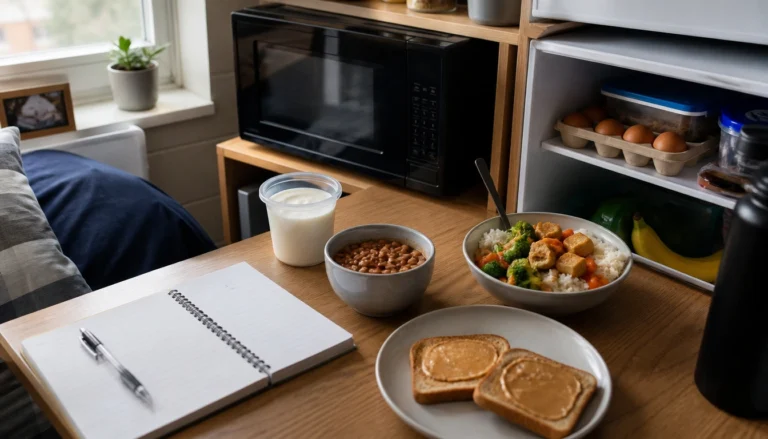
A budget-friendly protein plan for college students does not require a full kitchen or expensive supplements. With a few staple foods, simple meal formulas, and smart meal timing, you can meet your protein needs on dorm or apartment budgets.

A realistic weekend mental reset for adults over 50 can lower mental clutter, ease stress, and make Monday feel less heavy—without needing a full vacation or strict wellness routine.

You can make a satisfying protein smoothie without protein powder by using whole-food anchors like Greek yogurt, cottage cheese, soy milk, or silken tofu. This guide shows a simple formula, an easy freezer-pack method, and food-safety basics for make-ahead smoothies.

A screen-free evening routine can improve sleep, cut late-night spending, and work in real households without expensive gadgets. Here’s how to make it realistic, low-cost, and flexible for families, shift workers, and caregivers.

If you work from home, morning sunlight can help anchor your body clock, improve alertness, and make it easier to feel sleepy at night. The trick is to get bright outdoor light early, build it into your routine, and adjust for weather, season, and safety.

Busy parents usually do better with tiny, repeatable habits than with big wellness overhauls. The most useful changes are the ones that fit inside routines you already have, lower decision fatigue, and still work on chaotic days.
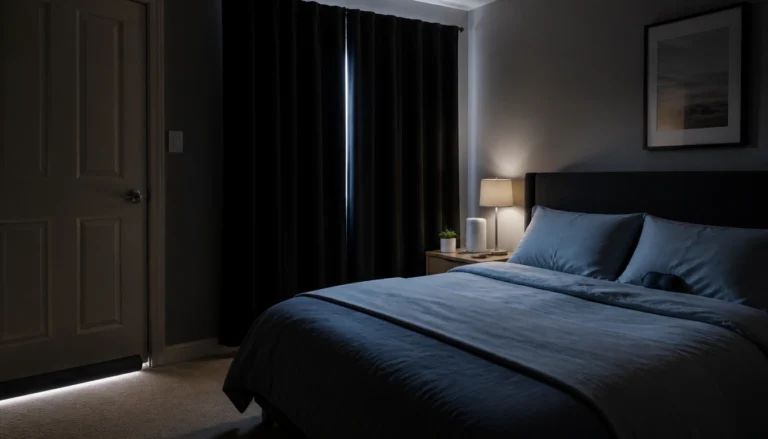
Shift workers sleep better when the bedroom is treated like a daytime sleep cave: dark, quiet, and cool. This practical checklist shows how to reduce light, noise, and heat even in shared homes or on a budget.