
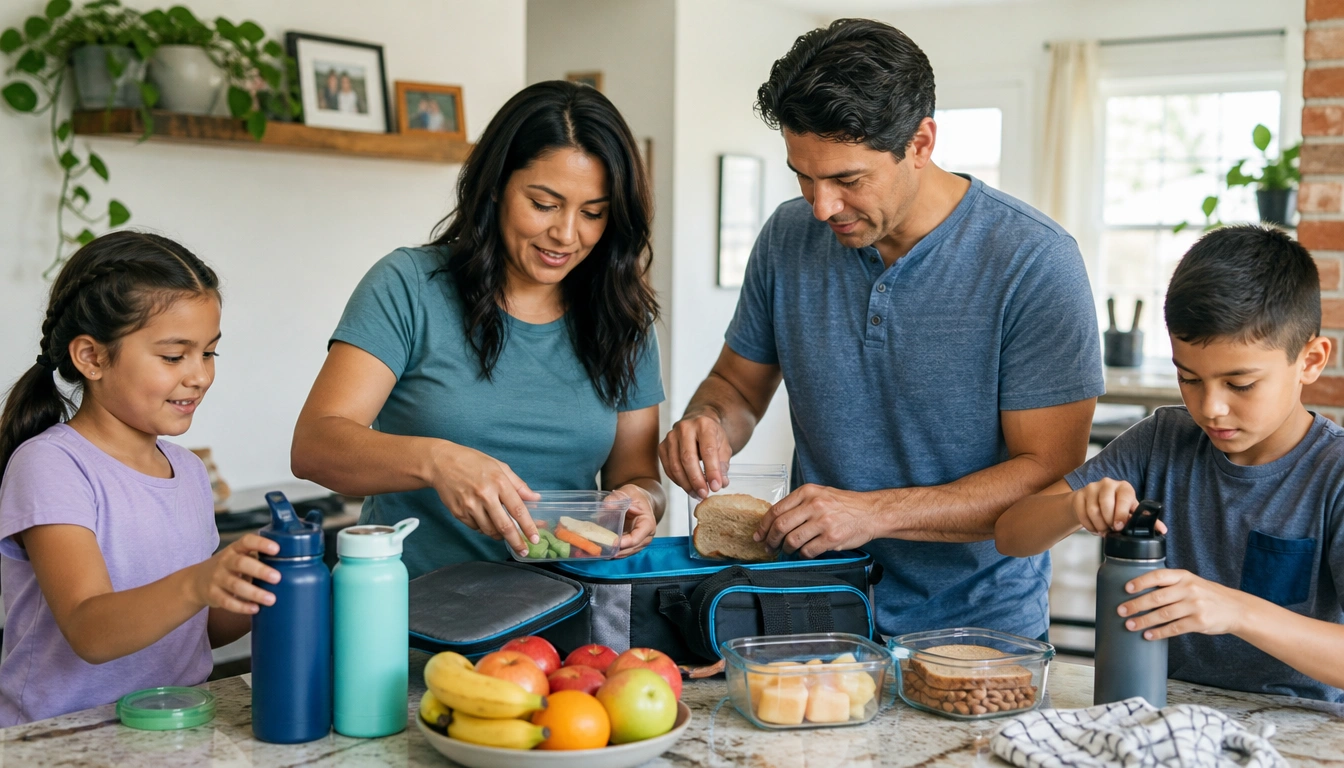
Yes—most households can stay healthy while traveling without spending much more by packing shelf-stable foods, using coolers on road trips, choosing solid foods for flights, drinking water regularly, and buying a few basics from a grocery store instead of depending on restaurants or airport snacks. The goal is not perfection; it is a simple routine that protects energy, digestion, and the budget.
Key Takeaways
- Pack inexpensive staples before you leave: oats, nuts, crackers, peanut butter, beans, fruit, and other shelf-stable foods usually cost less than repeated convenience-store purchases.
- On road trips, a small cooler can make fresh foods realistic; on flights, solid shelf-stable items work better because of liquid restrictions.
- Travel thirst often feels like hunger, so a water plan can reduce unnecessary snacking and help limit spending.
- If you live with diabetes or high blood pressure, aim for predictable meal timing and a balance of protein, fiber, and slower-digesting carbohydrates.
- When food safety is uncertain, hot cooked foods and factory-sealed items are safer choices than raw produce, ice, or unpasteurized foods.
- A grocery-store stop at the destination is often cheaper than buying every meal on the go, especially for families.
Why travel raises food costs and makes healthy habits harder
Travel changes the rhythm that usually keeps meals affordable and steady. Sleep may be shorter, walking may be lower or higher than usual, and mealtimes can slide around by hours. That combination makes people more likely to grab whatever is nearby, especially in airports, stations, and tourist areas where prices are built around convenience.
It also changes appetite. Dry cabin air, long drives, and limited bathroom breaks can make people drink less water than they need. Thirst and fatigue can feel like hunger, which leads to extra snacking and extra spending. Public health guidance from the CDC and NHS supports a basic approach that centers on water, regular meals when possible, and practical food choices rather than relying on sugary drinks or ultra-processed snacks.
The most useful mindset is to treat travel as a temporary change in routine, not a reason to abandon one. A few small choices made before departure usually cost less than trying to fix the day meal by meal once the trip has started.
Plan ahead with a travel pantry, water, and the right foods for the trip
Pre-trip planning does the most work for the least money. Before leaving, buy a small set of shelf-stable foods from your usual grocery store. The cheapest options are often the least dramatic: oats, whole-grain crackers, peanut butter, nuts, seeds, tuna packets, canned beans, dried fruit, and low-sugar cereal. These foods are easy to portion, fit into carry-ons or car bags, and reduce the need to buy every snack at a premium.
Reusable water bottles are another low-cost win. Empty bottles can usually be filled after security or at a destination fountain, which helps with hydration and limits impulse purchases of drinks. For many families, that alone saves more than a few “small” airport buys.
Travel mode matters. Road trips allow more flexibility because a cooler can hold sliced vegetables, fruit, cheese, hard-boiled eggs, yogurt, hummus, or leftover chicken. Air travel is different. Because liquids and gels are limited, a better plan is solid, shelf-stable food that travels well: nuts, bars with modest added sugar, crackers, bread, fruit that does not need much handling, and sealed protein snacks. The cheapest healthy travel food is usually simple food that can survive the trip without special packaging or refrigeration.
How to get through airports, stations, and rest stops without defaulting to fast food
Transit hubs are designed to make quick purchases feel normal. The easiest defense is to decide in advance what counts as a “good enough” stop. That might be a bottle of water, a piece of fruit, yogurt, a sandwich with protein, or a sealed snack you already packed. If the only choices are pastries, fried foods, and sugary drinks, it often helps to pass them by and wait for a better option.
Look first for the parts of the food court or convenience store that offer the simplest items: plain fruit, unsweetened yogurt, nuts, whole-grain sandwiches, hard-boiled eggs, or packaged foods with short ingredient lists. The CDC’s food safety advice is especially important here. In higher-risk settings, hot food that is thoroughly cooked is usually safer than lukewarm buffet items. Factory-sealed shelf-stable foods are also a strong choice. Raw produce, unpasteurized dairy, and ice can be riskier if water quality or handling is uncertain.
If your household is tempted by price-marked combo meals, compare them with what you already packed. A family that buys one coffee, one snack, and one meal per stop can spend far more than expected. Even a simple pantry bag can prevent that pattern.
Set up a destination routine that works with little or no kitchen
Once you arrive, a quick grocery stop often saves money and reduces stress. Hotels, vacation rentals, and stays with only a mini-fridge still allow a basic routine if you shop for assembly foods instead of full meals. Think in parts: bread or wraps, fruit, yogurt, cheese, deli turkey, hummus, prewashed greens when food safety is reliable, canned beans, and microwaveable grains if a microwave is available.
Mini-breakfasts are especially helpful because they are cheap and predictable. Oat packets, peanut butter toast, yogurt with fruit, or cereal with milk can replace a more expensive café breakfast. For lunch or a late-night meal, build simple combinations from what is available: a wrap with protein and vegetables, crackers with tuna, or a bean-and-cheese sandwich. These meals do not need to be fancy to be useful.
Households often save more by buying staple ingredients once than by making many small convenience purchases. That is especially true for families, because every extra stop adds up. A short grocery trip on arrival can lower costs for the rest of the stay while also making meals feel more normal.
Choose food with safety in mind, especially in unfamiliar places
Food safety matters more when routines are disrupted. The CDC recommends being cautious with foods that may have been handled with uncertain water or at unknown temperatures. In places where sanitation is questionable, safer choices are hot foods served steaming, factory-sealed snacks, peeled fruit, and beverages from sealed containers. Raw salads, cut fruit that has sat out, unpasteurized milk or cheese, and ice from tap water can carry more risk.
That does not mean every fresh food is off-limits. It means context matters. On a road trip with a good cooler, washed fruit and chilled foods can be reasonable. In a place where the water supply or food handling is unfamiliar, a sealed snack or a hot cooked dish is the better bet. The same rule applies to leftovers: keep them cold enough, reheat them thoroughly, and do not leave them in the car or bag too long.
For travel days, the safest low-cost foods are usually the ones that are either hot and fully cooked or dry and factory sealed. That is a useful rule because it protects both the stomach and the budget.
Adjust the plan for children, diabetes, and high blood pressure
Children often need food sooner than adults do, and long delays can quickly lead to tears, picky eating, and expensive impulse buying. Pre-portioned snacks help: whole-grain crackers, dried fruit, apples, cheese sticks, pretzels, or simple sandwiches. Small, familiar foods are easier on kids than giant meals served at odd times. For families, the goal is to prevent the “we are all starving now” moment that drives up cost.
People managing diabetes benefit from predictable meal timing and a balance of protein, fiber, and slower-digesting carbohydrates. Long gaps followed by sugary drinks or refined convenience foods can make blood glucose harder to manage. A packed snack with protein and fiber is often more useful than a pastry or candy. If a meal will be delayed, planning ahead matters more than waiting until everyone is already shaky and hungry.
For high blood pressure, travel can bring extra sodium from restaurant meals, salty snacks, and convenience foods. Choosing more plain foods, drinking water instead of sugary beverages, and avoiding repeated fast-food meals can help. If you manage a health condition, keep medicines with you, pack a backup snack, and keep meal timing as steady as the trip allows.
When eating out is unavoidable, make one meal do more than one job
Some trips require restaurant meals, and that is fine. The budget-friendly approach is to reduce waste and oversizing. Share large portions when that makes sense, order one main dish and add fruit or a side from home, or ask for sauces and dressings on the side. If the restaurant gives generous portions, box up part of the meal right away so it becomes lunch for later.
It also helps to think in terms of value, not just price. A meal that keeps you full for hours is often better than a cheaper snack that leads to another purchase an hour later. Protein, fiber, and some healthy fat generally last longer than pastries or sweet drinks. If you are choosing from a menu under time pressure, the simplest helpful questions are: Will this keep me satisfied? Can I stretch it into another meal? Can I pair it with something I already packed?
That approach is especially useful for households because it turns one paid meal into part of a bigger plan instead of an isolated expense.
Use a backup plan when the trip goes off schedule
Travel rarely runs exactly as planned. Delays, missed connections, traffic, and closed stores happen. A backup routine keeps the day from turning into a string of expensive, low-quality food choices. The simplest version is a small “emergency bag” with water, a few shelf-stable snacks, and any medicines that need to stay with you.
If the schedule shifts, go back to three basic questions: Do we need water, do we need something with protein or fiber, and do we need a real meal soon? That sort of check is often enough to prevent random snacking. It also helps to keep one flexible rule: buy the least processed option that is actually available, not the perfect meal that does not exist in that moment.
If someone has vomiting, diarrhea, severe weakness, or signs of dehydration, food strategy is no longer the main issue. Seek medical care promptly. For most other travel disruptions, a calm reset, a water refill, and one simple food purchase are enough to get the day back on track.
Frequently Asked Questions
What are the cheapest healthy foods to pack for a trip?
The best budget options are usually shelf-stable basics: oats, peanut butter, nuts, seeds, whole-grain crackers, tuna or bean packets, dried fruit, and simple bars with modest added sugar. These foods travel well, cost less than frequent convenience-store stops, and are easy to portion for adults and children.
How can families eat well in airports or rest stops without relying on fast food?
Pack a small snack bag before you leave, then look for the simplest options on site: fruit, yogurt, nuts, plain sandwiches, hard-boiled eggs, or sealed snacks. If food safety is uncertain, choose hot cooked items or factory-sealed foods rather than salads or open buffet foods.
What should people with diabetes or high blood pressure do differently while traveling?
Keep meal timing as steady as you can, avoid long gaps, and aim for snacks or meals with protein and fiber. For diabetes, that helps reduce big swings from sugary convenience foods. For high blood pressure, limiting repeated salty fast food and choosing water more often can help support routine care.
How do you stay hydrated on long travel days without paying for lots of drinks?
Bring reusable water bottles and refill them after security, at fountains, or at your destination. Try to drink before you feel very thirsty, since thirst and fatigue can be mistaken for hunger. A water plan often reduces unnecessary snacking and cuts drink spending at the same time.
What food safety rules matter most when eating away from home or in unfamiliar places?
The safest choices are usually hot foods that are thoroughly cooked or factory-sealed shelf-stable foods. Be cautious with raw produce, ice, and unpasteurized dairy if water quality or food handling is uncertain. If food has been sitting out or cannot be kept cold enough, it is safer to skip it.
The Bottom Line
A healthy routine during travel does not need to be expensive. The most reliable strategy is to pack a few shelf-stable foods, use coolers when road travel allows, and buy basic groceries instead of depending on every airport or rest-stop meal.
For households managing children, diabetes, or blood pressure, the biggest wins are predictable timing, enough water, and simple foods with protein and fiber. When plans change, use the safest available option and keep the routine as steady as the trip allows.
Medical disclaimer
Medical disclaimer: This content is for educational and informational purposes only and is not a substitute for professional medical advice, diagnosis, or treatment. Dietary needs and supplement suitability vary by individual.
Sources
- Centers for Disease Control and Prevention (CDC) — cdc.gov. Accessed November 2026.
- National Health Service (NHS) — www.nhs.uk. Accessed November 2026.
- Centers for Disease Control and Prevention (CDC) — cdc.gov. Accessed November 2026.
