
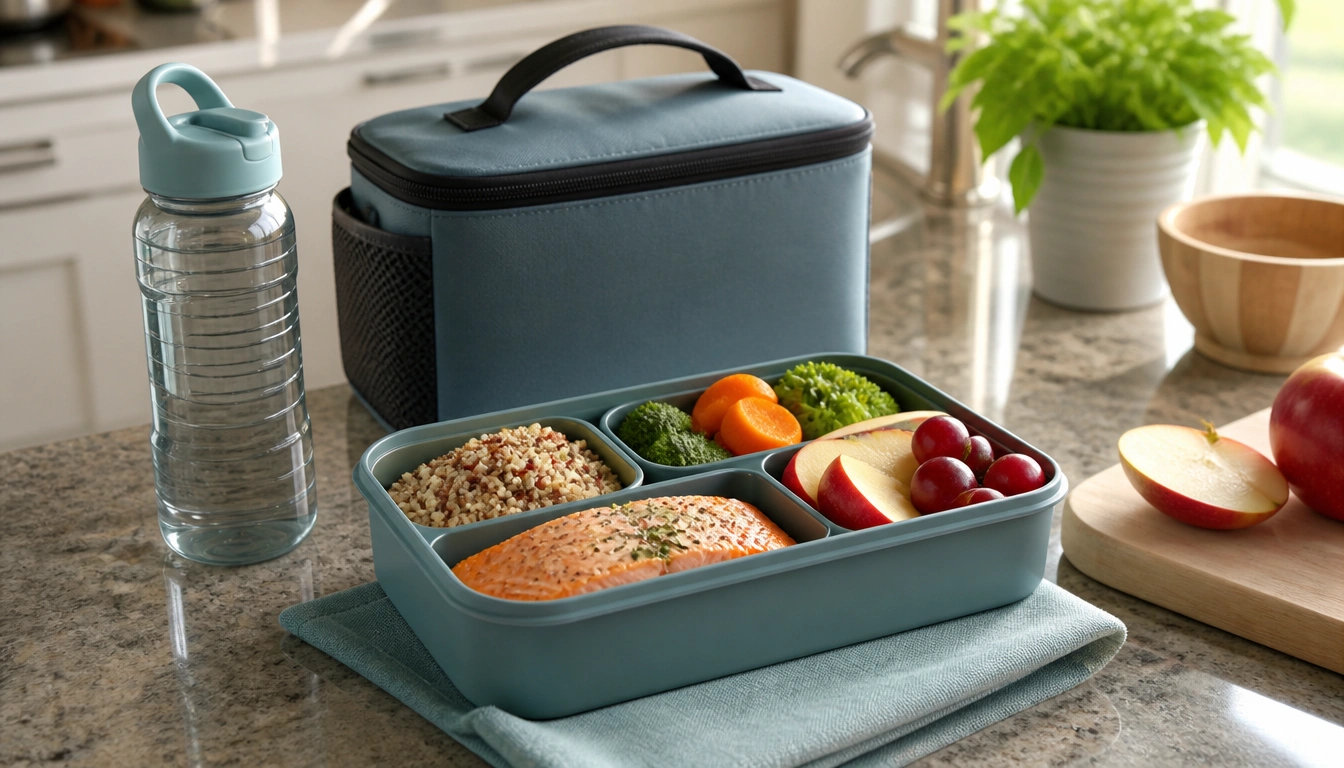
A practical lunch-packing routine for adults over 60 should be nutrient-dense, easy to prepare, comfortable to eat, and safe to store. Aim for a balanced mix of protein, vegetables or fruit, and whole grains, with smaller portions if appetite is reduced. Build in hydration, choose softer textures when needed, and keep perishable foods cold or hot enough until mealtime.
Key Takeaways
- Older adults often need fewer calories but still benefit from protein, fiber, calcium, vitamin B12, and other nutrient-dense foods at lunch.
- A simple lunch formula works well: vegetables or fruit, a protein food, and a whole grain or other high-fiber starch.
- Easy-pack proteins such as eggs, fish, beans, poultry, dairy, and fortified soy foods can help support muscle maintenance.
- Texture matters: softer fruits, cooked vegetables, tender meats, and flaky fish can make lunch easier to chew or swallow.
- Hydration belongs in the lunch routine too, especially because thirst may be weaker with age.
- Food safety is especially important: keep cold lunches cold, hot foods hot, and discard perishables that sit out too long.
Why lunch matters more after 60
For adults over 60, lunch often has to do more work than a simple midday snack. Appetite may be smaller, yet the body still needs enough protein, fiber, calcium, vitamin B12, and other nutrients to support muscle, bone, digestion, and day-to-day energy. The National Institute on Aging and the Dietary Guidelines for Americans both emphasize nutrient density over sheer volume for older adults.
That is why a packed lunch should not depend on large portions or heavy foods. A smaller meal can still be satisfying if each part earns its place. Protein helps preserve muscle. Fiber from vegetables, fruit, beans, and whole grains supports bowel regularity and steadier blood sugar. Foods rich in calcium and vitamin B12 matter too, especially when absorption may be less efficient with age.
A repeatable routine makes this easier. Instead of deciding from scratch every morning, choose a lunch formula that can be reused. For example: pick one protein, one produce item, and one grain or starchy whole food. Prep the ingredients once, then assemble in minutes. That approach lowers decision fatigue and makes it more likely that lunch will actually get packed.
If another person is helping, the same routine still works. A caregiver or spouse can keep a small list of default lunches on the fridge, buy a short rotation of staples, and pre-portion ingredients so the meal is fast to assemble on busy days.
The senior-friendly plate method and easy protein choices
A simple plate method can keep lunch balanced without requiring calorie counting. A helpful pattern is half produce, one-quarter protein, and one-quarter whole grains or another starchy whole food. That might look like steamed green beans and peach slices, chicken salad on whole-grain bread, or a bowl with brown rice, soft vegetables, and beans.
This pattern works because it keeps the meal nutrient-dense while leaving room for appetite changes. The produce portion adds fiber, color, and fluid. The grain or starchy food adds energy. The protein portion is especially important for older adults because muscle maintenance becomes harder when intake is low or inconsistent.
Easy-pack protein options include hard-boiled eggs, tuna or salmon, leftover roasted chicken, turkey slices with limited sodium, beans, lentils, cottage cheese, yogurt, and fortified soy foods such as tofu or soy yogurt. These foods are practical because they travel well, fit into smaller meals, and can be eaten cold or gently reheated.
If appetite is limited, it can help to build lunch around the protein first, then add produce and a grain around it. That makes it less likely that the protein portion gets crowded out by bread or crackers alone. When chewing is a concern, softer proteins such as egg salad, hummus, flaky fish, or shredded chicken may be more comfortable than dry or tough cuts.
Texture and chewing adjustments that make lunch easier
Chewing changes, dry mouth, dental work, and swallowing discomfort can all affect what feels realistic at lunch. The best routine adapts food texture without making the meal feel medical or bland. Often, small adjustments are enough.
Steamed vegetables are usually easier to manage than raw ones. Soft carrots, zucchini, green beans, squash, and spinach can be more comfortable than crunchy slaws or dense raw broccoli. Fruit can also be chosen for ease: bananas, melon, canned fruit packed in juice, applesauce without added sugar, ripe pears, or soft berries may be easier than crisp apples.
Tender proteins help too. Flaky fish, canned tuna mixed with a little plain yogurt or light mayo, bean spreads, soft scrambled eggs, and shredded chicken are often easier to chew than thick sandwiches with dry meats. Cooked grains such as oatmeal, quinoa, rice, or soft whole-grain pasta can also be gentler than crusty breads or dry crackers.
If swallowing is a concern, food texture should be discussed with a healthcare professional, especially if coughing, choking, or a sensation of food sticking is happening. A registered dietitian or speech-language pathologist can help tailor textures while keeping meals nutritious and satisfying.
Hydration at lunch without making it a chore
Thirst often declines with age, so waiting until someone feels thirsty is not always enough. Lunch is a good anchor point for hydration because it already happens every day. Pairing food with a drink is simpler than trying to remember fluids separately.
Water is the most straightforward choice. Unsweetened herbal tea is another option, especially for someone who prefers warm drinks. Milk or fortified soy beverage can add fluids and nutrients at the same time, depending on the meal and the person’s needs. Hydrating foods also count: soup, yogurt, oranges, melon, cucumber, tomatoes, and applesauce can contribute fluid without extra effort.
A practical routine is to pack the drink with the lunch at the same time every day. If the person tends to forget fluids, place the bottle where the lunch bag is stored or choose a container that is easy to see. For some people, a thermos or insulated bottle helps the drink stay appealing until noon.
The goal is not to force large amounts at once. It is to make fluid part of the meal pattern so hydration happens more consistently across the day.
Food safety for packed lunches
Food safety matters more for older adults because the risk of severe foodborne illness can be higher. That makes temperature control a routine, not an afterthought. Perishable foods should stay cold until mealtime. An insulated lunch bag with a frozen gel pack is a reliable way to keep cold foods at safe temperatures, and cold foods should be kept below 40°F.
Hot foods need the same kind of attention. Soups, stews, or casseroles should be packed in a preheated thermos so they stay hot enough until lunch. Reheating food until steaming hot before packing helps reduce risk. If the lunch will sit out for a while, it is safer to choose shelf-stable items or a food that can be kept hot or cold the entire time.
Time matters as much as temperature. Perishable foods should be discarded if they have been left at room temperature too long. A lunch that has sat out all day in a warm bag is not worth the risk. This is especially important for foods like dairy, eggs, meat, seafood, cooked grains, cut fruit, and salads with mayonnaise or other perishable dressings.
Good habits make safety easier: chill ingredients before packing, use shallow containers so food cools faster, keep lunch bags closed, and wash hands and containers well. A safe routine is not complicated, but it does need to be consistent.
Ways to reduce sodium, added sugar, and saturated fat
A lunch can be lower in sodium, added sugar, and saturated fat without tasting dull. Flavor does not have to come from extra salt or sweet sauces. In fact, older adults may benefit from making taste more vivid in other ways, especially if appetite is smaller.
Herbs, spices, citrus juice, vinegar, garlic, onion, mustard, and pepper can add flavor with little or no sodium. Olive oil or avocado can improve mouthfeel without making the meal heavy. For sandwiches, choosing lower-sodium fillings and adding lettuce, tomato, cucumber, or herbs can give more flavor and texture.
Some easy swaps make a noticeable difference. Choose plain yogurt instead of sweetened yogurt when possible, use fruit for sweetness rather than sugary drinks or desserts, and pick beans or canned fish with no-salt-added or lower-sodium options when available. If using deli meats, keep portions modest and balance them with fresh produce and whole grains.
Saturated fat can also be lowered by leaning on fish, beans, skinless poultry, and low-fat dairy more often than processed meats and fried foods. The goal is not to ban favorite foods. It is to make the everyday lunch routine a little more heart-friendly and a lot more nutrient-dense.
Sample lunch templates for busy weekdays
Templates save time because they turn lunch into a repeatable formula rather than a new decision every day. They are also useful for shopping, since the same ingredients can be mixed in different ways across the week.
Template 1: Tuna salad, whole-grain crackers, steamed green beans, and a clementine. This is a good option when lunch needs to be fast, high in protein, and easy to pack.
Template 2: Egg salad on whole-grain toast, cucumber slices, melon, and water or herbal tea. This works well for someone who wants a softer meal and a familiar flavor.
Template 3: Brown rice with shredded chicken, cooked carrots, and a small side of yogurt. This is useful when the goal is a more filling lunch without a large portion.
Template 4: Bean and vegetable soup in a thermos, whole-grain bread, and soft fruit. This is a good cold-weather option and can be especially comforting if chewing is tiring.
Template 5: Hummus, sliced turkey or tofu, soft pita, roasted vegetables, and a piece of fruit. This gives a mix of protein and fiber while staying easy to assemble.
For budget-friendly packing, use leftovers, canned beans, eggs, frozen vegetables, store-brand yogurt, oats, rice, and seasonal fruit. The routine does not need expensive ingredients to be effective. It just needs a few dependable combinations that are easy to repeat.
When to personalize the routine
A standard lunch plan is a starting point, not a rule. Personal needs can change with appetite, medications, dental issues, digestion, activity level, and chronic health conditions. A lunch that works one month may need to be adjusted the next.
If appetite is dropping, smaller but more concentrated meals may work better than a full plate. If medications affect appetite, taste, or hydration, it is worth asking a pharmacist or clinician whether timing food around those medicines would help. If diabetes, kidney disease, heart disease, reflux, or food allergies are part of the picture, lunch choices may need more individual guidance.
Dental pain, loose dentures, dry mouth, coughing while eating, or a feeling that food gets stuck are not just inconveniences. They are signs to ask for professional advice. A dentist, primary care clinician, or speech-language pathologist may be able to solve the problem before it starts affecting nutrition.
The most sustainable routine is the one that matches real life. For many older adults, that means lunch that is smaller, softer when needed, easy to pack, safe to eat, and built around a short list of foods that are genuinely liked and tolerated.
Frequently Asked Questions
How can adults over 60 build a balanced lunch that supports muscle, bone, and energy needs?
Use a simple pattern: produce, protein, and a whole grain or other high-fiber starch. Choose protein foods such as eggs, fish, beans, poultry, dairy, or fortified soy, then add vegetables or fruit and a modest portion of grains. This helps cover energy, muscle, and nutrient needs without relying on a large meal.
What foods are easiest to pack when chewing or swallowing is harder?
Soft, moist foods are usually easiest: yogurt, cottage cheese, egg salad, canned fish, hummus, bean spreads, shredded chicken, steamed vegetables, ripe fruit, applesauce, soup, and tender grains like rice or oatmeal. If swallowing is difficult, a healthcare professional should help guide texture choices.
How much protein should a lunch include for older adults?
There is no single amount that fits everyone, but lunch should clearly include a meaningful protein source rather than relying only on bread, crackers, or fruit. A practical approach is to make protein one of the main parts of the meal, especially if appetite is small or muscle loss is a concern.
What are the safest ways to store packed lunches and prevent foodborne illness?
Keep cold foods below 40°F with an insulated bag and ice pack, and keep hot foods hot in a preheated thermos. Discard perishable foods that sit out too long. Wash hands and containers, and chill foods before packing when possible.
How can someone keep lunch lower in sodium without making it bland?
Use flavor from herbs, spices, garlic, onion, citrus, vinegar, mustard, and pepper instead of salt. Choose lower-sodium canned or packaged foods when possible, and build meals around fresh foods like vegetables, fruit, beans, eggs, fish, and plain grains.
The Bottom Line
A good lunch-packing routine for adults over 60 is simple, repeatable, and built around nutrient-dense foods. Smaller appetites can still be supported with a balanced mix of protein, produce, and whole grains, especially when the food is easy to chew and pleasant to eat.
Safety matters just as much as nutrition. Keep cold foods cold, hot foods hot, and avoid leaving perishables at room temperature. A few dependable templates can make lunch feel easier for the person eating it and for anyone helping to prepare it.
Medical disclaimer
Medical disclaimer: This content is for educational and informational purposes only and is not a substitute for professional medical advice, diagnosis, or treatment. Dietary needs and supplement suitability vary by individual.
Sources
- National Institutes of Health (NIH) — nih.gov. Accessed October 2026.
- U.S. Government / Health Authority — health.gov. Accessed October 2026.
- U.S. Government / Health Authority — health.gov. Accessed October 2026.
- National Institutes of Health (NIH) — nih.gov. Accessed October 2026.
