
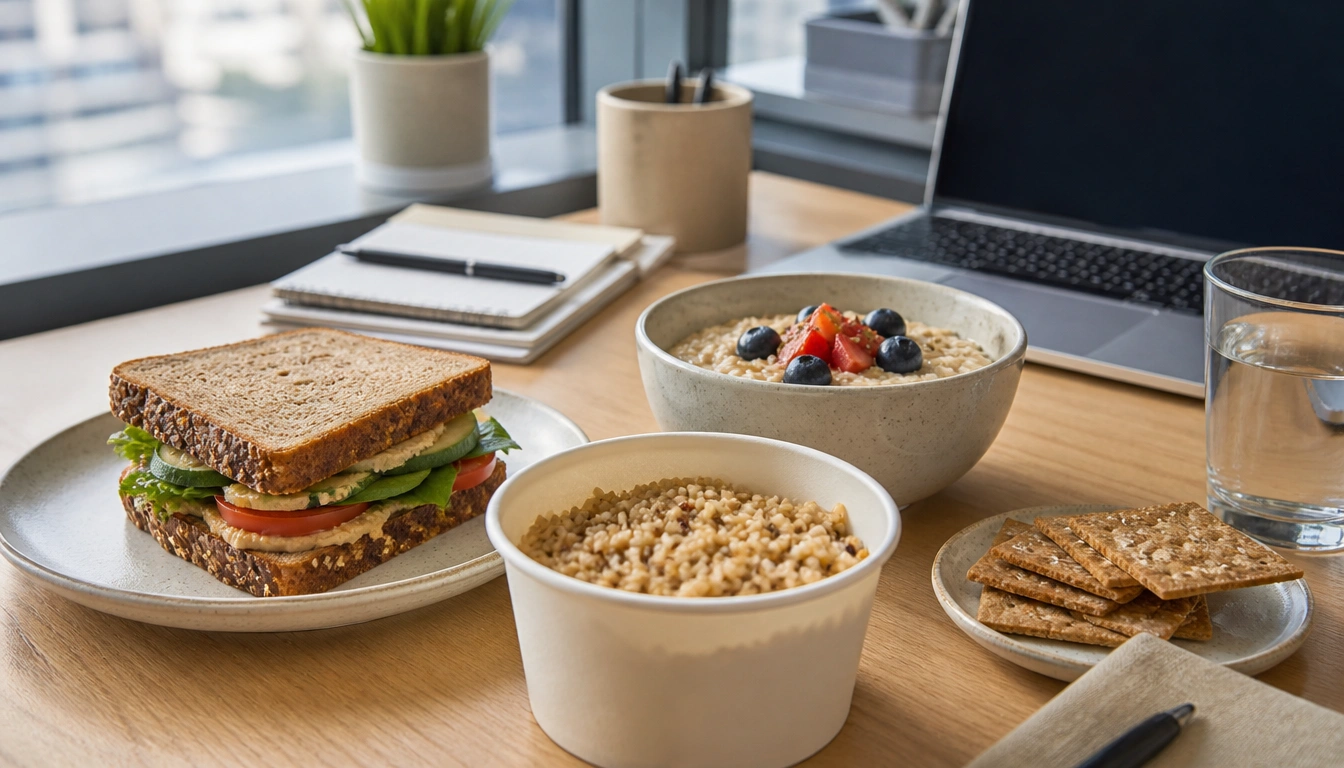
The easiest whole-grain swaps are the ones that replace refined grains without changing your routine: oats instead of sugary cereal, whole-grain bread or tortillas instead of white versions, microwaveable brown rice or quinoa instead of white rice, and whole-wheat or legume-based pasta when you want a fast dinner. Start with one meal at a time and choose packaged foods whose first ingredient is a whole grain.
Key Takeaways
- Whole grains keep the bran, germ, and endosperm, so they usually provide more fiber and nutrients than refined grains.
- The fastest swaps are usually breakfast cereal, sandwich bread, wraps, rice, and pasta—foods you already use.
- Label words like “multigrain” or “made with whole wheat” do not guarantee a true whole-grain food; the ingredient list matters.
- A gradual switch helps if you are not used to fiber, and it can reduce bloating or other digestive discomfort.
- Some people with IBS, celiac disease, CKD, or diabetes medication needs should personalize grain changes with clinical guidance.
Why whole-grain swaps matter for busy professionals
If your workday pushes you toward takeout, desk lunches, and whatever is fastest, whole-grain swaps offer one of the simplest nutrition upgrades you can make. Whole grains keep all parts of the grain kernel: the bran, germ, and endosperm. Refined grains lose much of the fiber, many B vitamins, and several naturally occurring plant compounds when they are processed into white flour or white rice.
That matters because fiber and the intact grain structure tend to slow digestion. For many people, that means steadier energy after meals, less of a blood sugar spike than with refined grains, and better satiety between meetings. The National Institutes of Health and the CDC both describe whole-grain patterns as part of healthier eating patterns, and public health guidance commonly encourages making at least half of grain choices whole grains.
For a busy professional, the practical benefit is not only “better nutrition.” It is also convenience. Whole-grain improvements can be built into foods you already eat: toast, sandwiches, rice bowls, pasta dinners, snack bars, and office lunches. You do not need to become a meal-prep enthusiast to make progress.
The easiest swaps by meal
The most sustainable whole-grain changes are the ones that fit your existing habits. The goal is not to redesign every meal. It is to replace the grain base when the swap is easy.
Breakfast
If breakfast is often an afterthought, start with the most automatic option: oats. Plain rolled oats or overnight oats are quick, inexpensive, and easy to keep on hand. If you usually grab pastries or sugary cereal, try swapping in oatmeal topped with nuts, fruit, or yogurt. Another low-effort option is whole-grain toast with peanut butter, eggs, or avocado. If you buy breakfast sandwiches, look for whole-grain bread or English muffins.
Lunch
Desk lunches are one of the easiest places to improve grain quality. Use whole-grain bread for sandwiches, whole-wheat wraps for roll-ups, or a microwavable whole-grain pouch as the base of a grain bowl. If you rely on deli salads or takeout bowls, ask for brown rice, quinoa, or another whole-grain base when available. Even if the rest of the meal stays the same, changing the grain can increase fiber and improve fullness.
Dinner
For dinner, the easiest swap is often white rice to brown rice, wild rice, or a blend. Whole-wheat pasta is another simple upgrade, especially when paired with sauces and proteins you already like. If you cook at home only a few nights per week, keep a box of whole-wheat pasta and a few pantry grains ready for fast meals. Frozen vegetables, jarred sauce, and a cooked grain can become dinner in minutes.
Snacks
Snacks are easy to overlook, but they can help if you are trying to shift away from refined grains. Choose whole-grain crackers, air-popped popcorn, or oat-based snacks instead of crackers or snack bars made mostly with refined flour and sugar. If you are buying bars for your desk, ingredient lists matter there too.
Fastest whole-grain options that require almost no extra prep
Convenience is usually the deciding factor during a workweek, so keep a few “no excuse” whole-grain options on hand. These are useful because they require little more than opening a package, heating, or spreading on bread.
Good grab-and-go staples include:
- Rolled oats or instant plain oats for quick breakfasts
- Microwaveable brown rice, quinoa, or mixed whole grains
- Whole-wheat bread, pitas, or tortillas
- Whole-grain crackers
- Plain popcorn as a snack
- Whole-grain cereal with little added sugar
- Whole-wheat pasta for fast dinners
If you want the least disruptive change possible, try one of these shortcuts: use microwaveable whole grains with a rotisserie chicken and bagged salad; make toast instead of pastries; or keep plain oats at work for a desk breakfast. These are not “perfect” meals, but they are realistic ones, and realistic tends to win on weekdays.
Bulk cooking can help, but it is optional. If you like meal prep, cook a pot of grains once and use them in bowls, soups, or side dishes for several days. If you do not like meal prep, store-bought pouches and ready-to-eat whole-grain foods still count as a solid upgrade.
How to shop smarter: reading ingredient lists and avoiding label traps
Front-of-package words can be misleading. A product labeled “multigrain” may contain several grains, but that does not mean they are whole grains. “Made with whole wheat” can also sound healthier than it is if the product still relies mostly on refined flour. The ingredient list is where the real answer usually is.
Look for a whole grain named near the top of the ingredient list, such as whole wheat flour, whole oats, brown rice, whole rye, or quinoa. If the first grain ingredient is enriched flour, wheat flour, or refined rice, the food is probably not a true whole-grain product, even if it looks brown or uses health-themed packaging. Color is not proof.
A quick label check can look like this:
- Better sign: “100% whole wheat flour” listed first
- Better sign: “whole oats” as the main ingredient
- Questionable: “multigrain” with enriched flour first
- Questionable: “made with whole wheat” but refined flour still leads the list
If the package includes a whole-grain stamp or a clear whole-grain claim, that can help, but ingredient lists are still the most dependable check. The same habit works for bread, wraps, crackers, cereals, and frozen breakfast items.
A gradual transition plan for people who are used to refined grains
If you switch too quickly, your digestive system may notice. A sharp jump in fiber can cause bloating, gas, or cramping, especially if your usual diet is low in fiber. A gradual approach is often more comfortable and easier to keep going.
Start with a mix-and-match strategy. For example, use half white rice and half brown rice. Or alternate between white and whole-wheat bread instead of replacing every slice at once. You can also choose a whole-grain version for one meal each day, then expand from there. This stepwise approach gives your taste buds and digestion time to adapt.
It also helps with preferences. Some people dislike the denser texture of whole grains at first. Mixing grains can make the change less noticeable while still moving your diet in a better direction. After a few weeks, many people become more comfortable with the taste and texture.
Fluid intake matters too. Whole grains work best as part of a balanced diet with enough fluids, especially when fiber is increasing. If you feel overly full, gassy, or constipated after a change, slow down the pace rather than assuming whole grains are “not for you.”
When whole-grain swaps need caution or professional guidance
Whole grains are useful for many adults, but they are not the right fit for every situation. Some medical conditions call for a different approach, at least temporarily or for certain foods.
If you have celiac disease, avoid wheat, barley, rye, and triticale because they contain gluten. In that case, naturally gluten-free whole grains such as certified gluten-free oats, quinoa, buckwheat, amaranth, millet, and wild rice may be better options, depending on your tolerance and medical advice.
If you have irritable bowel syndrome or another digestive disorder, more fiber is not always better all at once. Some people do better with smaller portions, slower increases, or different grain choices. During flare-ups or if you have ongoing abdominal pain, it is wise to get individualized guidance.
People with advanced chronic kidney disease may also need tailored advice because some grains and grain-based foods affect potassium or phosphorus intake. And if you manage diabetes with insulin or other glucose-lowering medicines, a big improvement in carbohydrate quality can change blood sugar patterns enough to affect medication planning. That is a good reason to coordinate major diet changes with your clinician or dietitian.
Seek medical advice if grain changes are followed by persistent pain, unexplained weight loss, chronic diarrhea, constipation that does not improve, or other ongoing digestive symptoms.
Simple ways to make the habit stick during a busy workweek
Lasting change usually comes from reducing decision fatigue. If you make the same few choices easier, the whole-grain habit becomes automatic.
Try these workweek strategies:
- Keep one whole-grain breakfast, one lunch grain, and one dinner grain on repeat.
- Stock your desk or office kitchen with shelf-stable options like oats, crackers, and grain pouches.
- Use a “default upgrade” rule: every time you buy bread, rice, or pasta, choose the whole-grain version unless there is a medical reason not to.
- Pair whole grains with foods you already like so the meal still feels familiar.
- Keep two or three reliable takeout orders that already include a whole-grain base.
A useful mindset is to focus on replacement, not restriction. You are not trying to cut out convenience foods entirely. You are trying to make the convenient choice a little better. That approach is more realistic on a packed schedule and less likely to backfire.
If you keep the change small, consistent, and easy to repeat, whole-grain swaps can become one of the lowest-effort nutrition improvements in your routine.
Frequently Asked Questions
What counts as a whole grain versus a refined grain?
A whole grain contains the bran, germ, and endosperm in their original proportions. A refined grain has had the bran and germ removed, which lowers fiber and some nutrients. White rice, white flour, and many enriched grain products are refined; oats, brown rice, whole wheat, quinoa, and barley are examples of whole grains.
Which whole-grain foods are the quickest to use at breakfast, lunch, and dinner?
The fastest options are usually oats for breakfast, whole-grain bread or wraps for lunch, and microwaveable brown rice or whole-wheat pasta for dinner. Ready-to-eat whole-grain cereal, crackers, and popcorn can help with snacks. The easiest choices are the ones that need little or no cooking.
How do I tell if a packaged food is truly whole grain?
Check the ingredient list, not just the front label. Look for a whole grain named first or near the top, such as whole wheat flour, whole oats, or brown rice. Terms like “multigrain” or “made with whole wheat” do not guarantee that the product is mostly whole grain.
Can I make whole-grain swaps without changing my routine or meal prep habits?
Yes. Start by replacing the grain in meals you already eat, such as using whole-grain bread for sandwiches or microwaveable whole grains instead of white rice. You do not need elaborate meal prep. A few repeated default choices can make the switch feel almost automatic.
Are whole-grain swaps safe if I have IBS, celiac disease, or another digestive or kidney condition?
Not always in the same way. People with celiac disease need gluten-free grains only. Those with IBS or digestive sensitivity may need to increase fiber slowly. People with advanced chronic kidney disease or those on diabetes medicines may need personalized guidance before making larger dietary changes.
The Bottom Line
Whole-grain swaps are one of the simplest ways to improve the quality of busy-day meals without adding much time. The easiest changes usually involve foods you already use: oats, bread, wraps, rice, and pasta.
The most reliable habit is to start small, read labels closely, and shift gradually if your digestion is sensitive. If you have celiac disease, IBS, kidney disease, or diabetes medication concerns, get individualized advice before making major changes.
Medical disclaimer
Medical disclaimer: This content is for educational and informational purposes only and is not a substitute for professional medical advice, diagnosis, or treatment. Dietary needs and supplement suitability vary by individual.
Sources
- National Institutes of Health (NIH) — nih.gov. Accessed November 2026.
- Centers for Disease Control and Prevention (CDC) — cdc.gov. Accessed November 2026.
- National Health Service (NHS) — www.nhs.uk. Accessed November 2026.
- U.S. Government / Health Authority — medlineplus.gov. Accessed November 2026.
- Mayo Clinic — mayoclinic.org. Accessed November 2026.
