
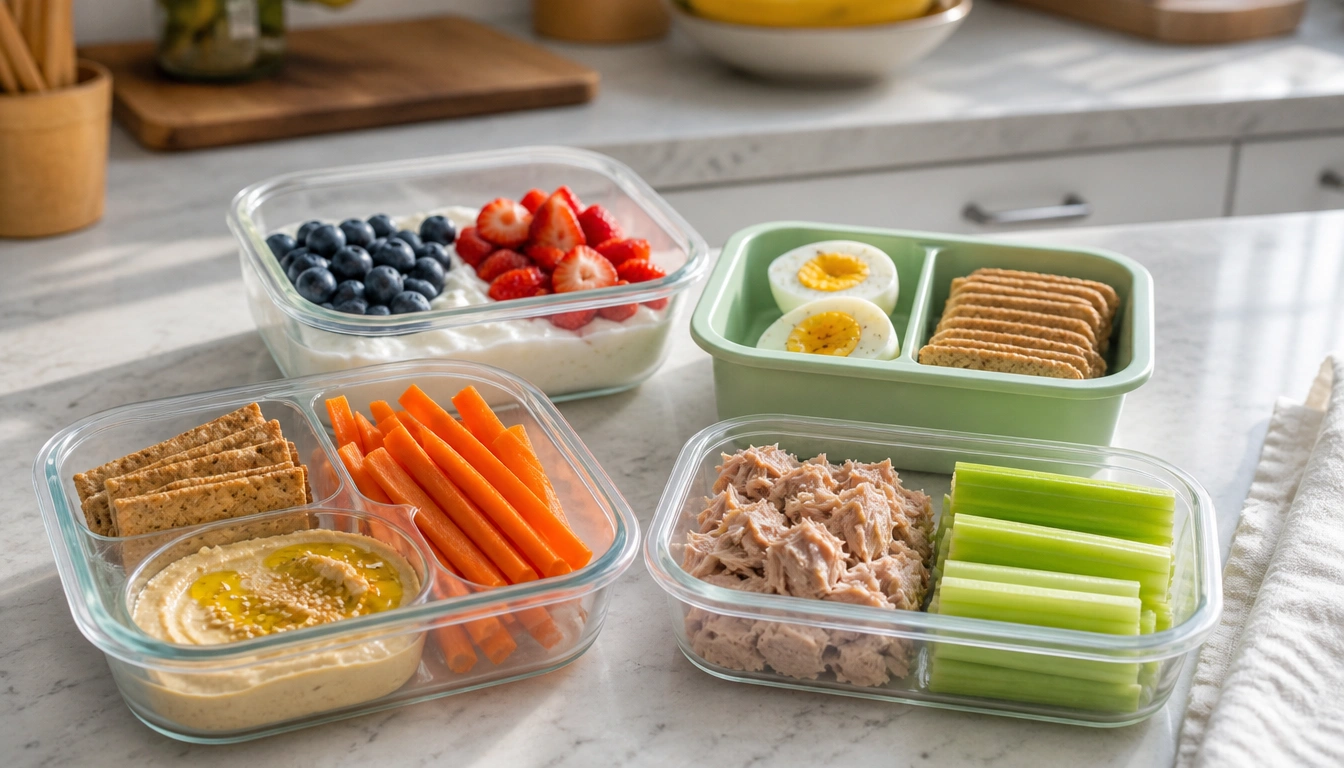
You can make cheap, healthy snack boxes at home by pairing two food groups, such as fruit plus yogurt, crackers plus hummus, or whole grains plus eggs or tuna. The most budget-friendly versions usually rely on bulk staples, frozen or canned produce, and simple portioning at home instead of pre-made snack packs. That approach is often cheaper, reduces waste, and gives you more control over salt, sugar, and protein.
Key Takeaways
- Aim for at least two food groups in each snack box so it feels more satisfying and keeps you full longer.
- Use fresh, frozen, and canned foods strategically: frozen produce helps cut waste, and canned fruit in water or juice is a practical backup.
- Homemade snack boxes are usually cheaper than packaged singles because you avoid convenience markup and can portion staples yourself.
- Build around low-cost anchors like oats, eggs, chickpeas, yogurt, popcorn, beans, peanuts, or canned fish.
- Pack perishable items with an ice pack if they will sit out for more than a short time at school, work, or during travel.
Why snack boxes are a smarter budget choice
Healthy snack box ideas for budget shoppers work because they replace expensive, single-serve convenience snacks with simple ingredients you can mix and match. A store-bought snack pack often charges extra for packaging, branding, and portioning. At home, you can buy the same kinds of foods in larger amounts, divide them yourself, and build several snacks from one grocery trip.
That matters for more than price. Snack boxes built from whole foods tend to be more satisfying than a single item like crackers or fruit alone. Public health guidance from the USDA and the NHS encourages choosing nutrient-dense foods with fiber, protein, and healthy fats, because those combinations usually help support steadier energy between meals. A box with one strong food group is fine, but a box with two or more is usually more filling and more practical for busy days.
Budget snack boxes are also flexible. If you already have oats, rice cakes, carrots, beans, frozen berries, or peanut butter, you may be closer to a week of snacks than you think. The goal is not perfection. It is to make a simple, affordable snack that tastes good enough to use again.
Build each box around two food groups
A useful rule for healthy snack box ideas is to combine at least two food groups. Think of it as a base plus an anchor. The base may be fruit, vegetables, crackers, popcorn, or another carbohydrate source. The anchor is usually protein or a healthy fat, such as yogurt, hummus, eggs, nuts, seeds, tuna, or cheese. This pairing helps keep the snack from feeling too light or too sugary.
For example, apple slices alone are refreshing but may not carry you far through a long class or work shift. Apple slices with peanut butter, cheese, or sunflower seed butter feel more substantial. Likewise, plain popcorn is budget-friendly, but popcorn plus roasted chickpeas, a boiled egg, or a small cheese portion gives you more staying power.
A simple structure you can reuse:
- One fiber-rich item: fruit, vegetables, whole-grain crackers, popcorn, or oats.
- One protein or fat source: yogurt, hummus, eggs, beans, cheese, nuts, seeds, or fish.
- Optional flavor boost: cinnamon, herbs, lemon, salsa, or a small amount of seasoning.
This formula is practical because it works with what is already cheap in many households. It also keeps snack boxes from becoming all crunch or all sweetness, which can happen when you rely on packaged snacks alone.
Best low-cost ingredients to keep on hand
The most affordable snack boxes usually start with pantry, freezer, and bulk-aisle staples. Dry goods and longer-lasting foods stretch farther because you can buy them once and use them in different ways all week. That makes them especially useful for families, students, and anyone trying to cut down on food waste.
Good budget-friendly staples include oats, whole-grain crackers, popcorn kernels, rice cakes, canned chickpeas, canned tuna or salmon, peanut butter, sunflower seeds, dried fruit, and plain yogurt in larger tubs. For produce, carrots, apples, bananas, celery, cucumbers, and seasonal fruit often give good value. Frozen berries, frozen vegetables, and frozen edamame are also smart because they are picked and frozen at peak ripeness and can be used only as needed.
Canned produce can help when fresh food is expensive or likely to spoil. Choose canned fruit packed in water or 100% juice when possible, and choose canned vegetables labeled low-salt or no added salt. If the sodium is still higher than you want, rinsing canned vegetables can help reduce it. This kind of shopping makes healthy snack boxes more realistic during busy weeks, not just when the fridge is full.
Four cheap snack box combinations that actually work
Each of these snack box ideas is designed to be easy, filling, and low-cost. They use common ingredients that can be bought in larger amounts and split across several snacks.
Plant-powered crunch
Pack whole-wheat crackers or pita wedges, a chickpea spread, and sliced carrots or cucumber. You can mash canned chickpeas with a little lemon, garlic, and olive oil or tahini if you have it. If not, even lightly mashed chickpeas with seasoning works. This box brings together fiber, plant protein, and crunch without relying on a pricey dip cup.
Protein plus fruit
Use hard-boiled eggs, a piece of fruit, and a small handful of peanuts or seeds. Apples, oranges, bananas, and clementines are easy options because they need little prep. This combo is useful for long afternoons because the fruit adds quick freshness while the egg and nuts help the snack last longer.
Dairy and whole grain
Fill a container with plain yogurt from a large tub and add thawed frozen berries or chopped fresh fruit. Pair it with homemade popcorn, whole-grain toast strips, or a few crackers. Buying yogurt in a larger container is usually cheaper than individual cups, and plain yogurt gives you more control over sweetness.
Pantry shelf-stable box
Use whole-grain crackers or rice cakes with canned tuna or salmon, plus celery sticks or cherry tomatoes when you have them. If refrigeration is limited, this is one of the most practical options because the fish can stay shelf-stable until opened. It is especially helpful for a desk drawer, backpack, or emergency snack stash.
If you want a quick way to compare them, think of each box as a shape: crunch plus dip, fruit plus protein, dairy plus grain, or shelf-stable protein plus produce. That makes shopping easier because you are not trying to invent new recipes every week.
Smart shopping and prep that cut waste
The cheapest snack boxes are rarely made from specialty products. They are made from ingredients you already use in meals, then portioned with a little planning. Before shopping, check what you already have in your pantry, fridge, and freezer. That reduces duplicate purchases and helps you use up foods before they spoil.
Batch-buying is useful when it matches your actual habits. A large tub of yogurt, a family pack of eggs, a bag of apples, or a bulk container of popcorn kernels can cost less per serving than individually packaged snacks. The savings are strongest when you portion items at home into reusable containers instead of buying single-serve packs.
Prep does not need to be complicated. Spend a short block of time washing fruit, slicing vegetables, boiling eggs, or dividing nuts and crackers into small containers. If you are prepping for multiple days, keep wet and dry items separate so the snack stays fresher. If you use frozen fruit, thaw only what you need for the next day or two.
A practical waste-reduction trick is to build snack boxes from “leftover-friendly” foods. Extra carrots, half a cucumber, the last few crackers in a box, or a small amount of hummus can all become part of the next snack instead of being forgotten. That is one reason homemade snack boxes often cost less over time than prepacked options.
How to pack snack boxes for school, work, and travel
Portability matters just as much as ingredients. A healthy snack is only useful if it survives the day. For items that do not need refrigeration, like crackers, nuts, popcorn, whole fruit, canned fish, or dry cereal, a simple container or bag is enough. For perishable foods such as yogurt, eggs, cut fruit, cheese, and homemade dips, use an insulated lunch bag or cooler with an ice pack when the snack will be out for more than a short time.
Food safety guidance from the CDC and NHS is straightforward: perishable foods should not sit at room temperature too long, and hot weather shortens that window even more. If you are packing for school or work, choose foods that are safe for the amount of time they will be stored. When in doubt, keep the most delicate items chilled until serving time.
It also helps to match the container to the snack. A rigid container protects fruit and vegetables from getting crushed. A small jar works well for yogurt or dip. A divided lunch container can keep crunchy and moist ingredients separate until you are ready to eat. For a backpack or commute, shelf-stable choices reduce stress because they do not depend on immediate refrigeration.
Easy swaps for allergies, vegetarian diets, and higher-protein needs
Budget snack boxes can be adjusted without making them expensive. If you avoid nuts, use sunflower seed butter, pumpkin seeds, roasted chickpeas, or soy-based options instead. If dairy does not work for you, choose fortified plant yogurt or build around hummus, beans, eggs, or tuna depending on your diet.
Vegetarian snack boxes can be especially affordable when they lean on beans, lentils, chickpeas, yogurt, eggs, tofu cubes, edamame, or seeds. These foods bring protein without requiring fancy ingredients. For higher-protein needs, make the anchor item the largest part of the box rather than adding extra snacky fillers. For example, use more yogurt and less cereal, or more chickpeas and fewer crackers.
For picky eaters or kids, keep the flavors familiar. Apples with peanut butter, crackers with cheese, carrots with dip, or popcorn with fruit are easy starting points. A snack box does not need to be adventurous to be healthy. Consistency usually matters more than novelty.
How to think about cost without overcomplicating it
You do not need exact math to see the difference between homemade snack boxes and packaged snack packs. A branded single-serve snack often costs more because you are paying for convenience, packaging, and marketing. When you buy larger containers of basic ingredients and portion them yourself, the cost per serving usually drops.
A useful way to estimate savings is to compare the price of one ingredient used across several snacks. For instance, a tub of yogurt, a bag of apples, a can of chickpeas, or a box of crackers can often create multiple snack boxes instead of just one. Frozen berries and bulk popcorn are another good example because a small amount goes a long way.
If you want a realistic budget strategy, focus on three habits: buy what you will actually eat, portion it at home, and repeat a few combinations that work. That approach keeps shopping simple and makes it easier to stay within budget week after week.
Frequently Asked Questions
What are the best shelf-stable ingredients for budget snack boxes?
Good shelf-stable options include whole-grain crackers, rice cakes, popcorn kernels, canned chickpeas, canned tuna or salmon, peanut butter, seeds, dried fruit, and shelf-stable fruit cups packed in water or juice. These ingredients are useful because they keep well and can be paired in many ways.
How can I make snack boxes that stay fresh for school or work?
Use foods that match the time and temperature they will face. Shelf-stable items can go in a regular container, but yogurt, eggs, cheese, cut fruit, and dips should be packed with an ice pack in an insulated bag if they will sit out. Keep wet and dry ingredients separate when possible.
What is a realistic low-cost cost-per-serving for a homemade snack box?
It varies by location and ingredients, but homemade snack boxes are usually cheaper than prepacked snack products because you buy basic foods in larger amounts and portion them yourself. The best way to estimate is to divide the price of the ingredient by the number of servings you actually get from it.
What snack box ideas work for kids or picky eaters on a budget?
Keep the flavors familiar and the portions simple. Good options include apples with peanut butter, crackers with cheese, yogurt with fruit, popcorn with dried fruit, or carrots with hummus. Repeating a few favorite combinations often works better than trying to make every box different.
How can I adapt budget snack boxes for vegetarian or higher-protein needs?
For vegetarian boxes, build around beans, chickpeas, yogurt, eggs, tofu, seeds, or edamame. For higher protein, increase the anchor food and reduce the filler foods. That might mean more yogurt, more eggs, or a bigger hummus or bean portion with fewer crackers.
The Bottom Line
Cheap, healthy snack boxes are easiest to make when you stop thinking in terms of packaged snacks and start thinking in pairs: fruit plus protein, vegetables plus dip, or whole grains plus a filling anchor. That simple structure improves satiety and makes budget shopping more predictable.
Use the foods that give the most value for your money: oats, popcorn, eggs, beans, yogurt, frozen fruit, canned vegetables, canned fruit in water or juice, and shelf-stable proteins. Portion them at home, keep perishable items chilled, and repeat combinations that your household will actually eat. That is usually the most practical way to save money without giving up convenience.
If you want a snack box routine that sticks, keep it simple, repeatable, and flexible. A few basic ingredients can cover school lunches, work breaks, after-school snacks, and travel days without relying on expensive convenience packs.
Medical disclaimer
Medical disclaimer: This content is for educational and informational purposes only and is not a substitute for professional medical advice, diagnosis, or treatment. Dietary needs and supplement suitability vary by individual.
Sources
- National Health Service (NHS) — www.nhs.uk. Accessed October 2026.
- U.S. Government / Health Authority — usda.gov. Accessed October 2026.
- Centers for Disease Control and Prevention (CDC) — cdc.gov. Accessed October 2026.
- National Health Service (NHS) — westlondon.nhs.uk. Accessed October 2026.
