
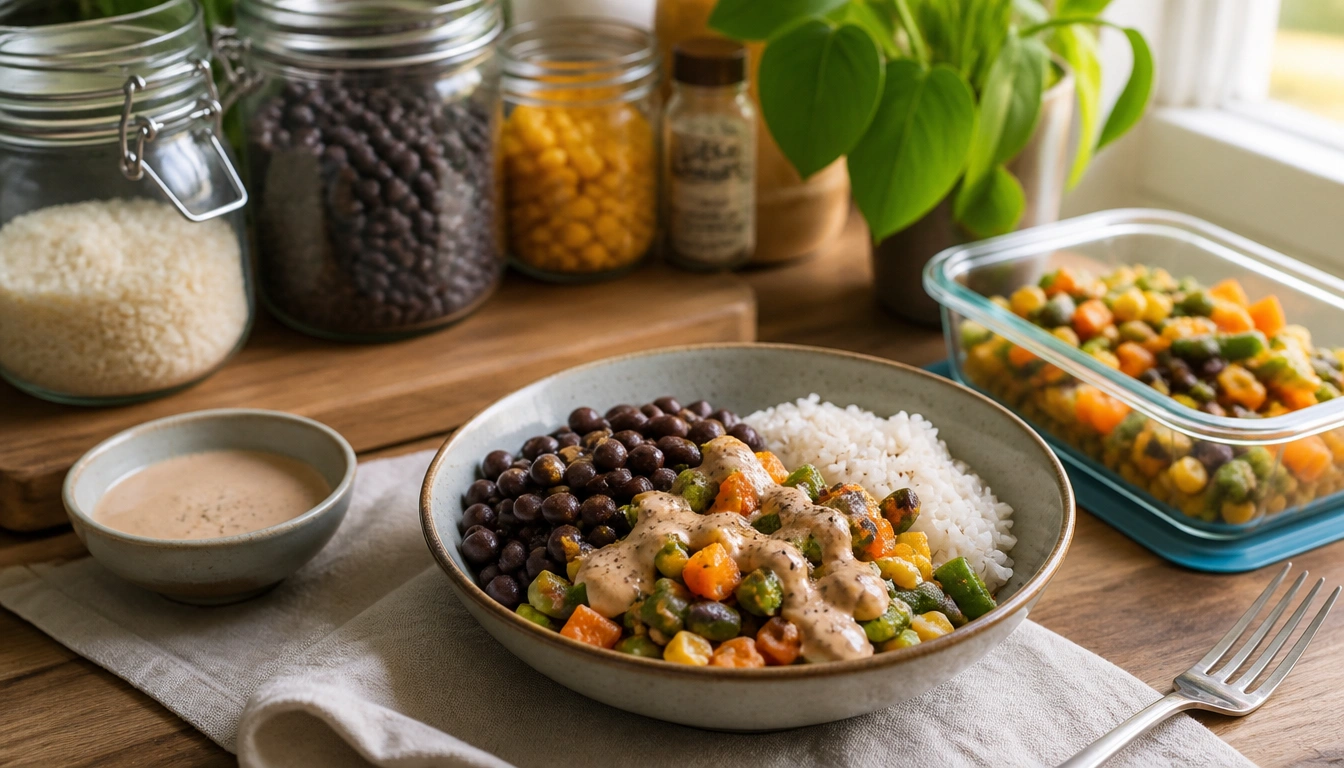
You can make a healthy, filling rice bowl on a tight budget by using a simple base-plus-protein-plus-vegetables-plus-sauce formula. Choose the cheapest rice option that fits your needs, then add beans, eggs, canned fish, or a small amount of meat, plus frozen, canned, or discounted vegetables. Flavor comes from pantry seasonings and low-cost sauces, not expensive dressings. The most budget-friendly bowls also rely on smart shopping, unit pricing, and safe meal-prep habits.
Key Takeaways
- Start with rice, then build around it: add protein, vegetables, and a simple sauce so the bowl is balanced and more satisfying.
- Dry beans, lentils, eggs, canned tuna or salmon, and stretched portions of meat are some of the best low-cost proteins for rice bowls.
- Frozen vegetables, canned vegetables, and discounted fresh produce can all work well; frozen and canned options can save money and reduce waste.
- Pairing rice with fiber-rich foods like beans and vegetables helps slow digestion and supports fullness after the meal.
- Choose low-sodium canned foods when possible, and rinse canned beans and vegetables to help reduce extra sodium.
- Cooked rice should be cooled quickly, refrigerated within 2 hours, and eaten within 3 to 4 days for safer meal prep.
Build the bowl around a simple budget formula
Balanced rice bowl ideas for budget shoppers work best when you treat the bowl like a structure, not a recipe. A reliable pattern is base + protein + vegetables + sauce. That formula helps you spend less because you can shop from what is cheapest that week and still end up with a complete meal.
For the base, white rice is usually the lowest-cost option, especially in larger bags. Brown rice can bring more fiber, and a blended strategy can make sense if you want the taste and texture of white rice but a little extra fiber. Mixing white and brown rice also keeps costs down while nudging the bowl in a more nutrient-dense direction.
For protein, the cheapest choices are often beans, lentils, and eggs. Canned tuna or salmon can be practical when they are on sale, and small amounts of chicken, pork, or beef can still work if you stretch them with vegetables and beans. According to the Dietary Guidelines for Americans, a healthy pattern emphasizes grains, vegetables, and protein foods without requiring specialty ingredients.
If you are shopping on a tight budget, compare unit prices rather than package prices. The cheapest bag is not always the best value, but dry grains, dried beans, and larger frozen vegetable bags often give the most food per dollar.
Use frozen, canned, and discounted vegetables without losing much nutrition
Vegetables do not need to be fresh from the farmer’s market to be useful in a rice bowl. Frozen vegetables are often picked at peak ripeness and frozen quickly, which helps them keep their nutritional value and makes them a strong budget choice. Canned vegetables are also convenient, especially when fresh produce is too expensive or likely to spoil before you use it.
Frozen peas, broccoli, cauliflower, spinach, mixed vegetables, and corn all fit easily into rice bowls. Canned tomatoes, green beans, carrots, or corn can also work when drained and heated with seasonings. If you find discounted fresh produce, use it first for bowls that week, then fall back on frozen or canned vegetables for the rest of the plan.
A useful habit is to shop with a flexible vegetable list. Pick one fresh item if it is a good deal, one frozen bag for reliability, and one canned backup for emergencies. That keeps your meals varied without forcing you to buy produce that will wilt in the crisper drawer.
If you use canned vegetables, remember that texture can improve a lot with a quick sauté, microwave steam, or brief simmer with aromatics. A rice bowl does not need elaborate prep to feel fresh; it just needs enough contrast in color, texture, and seasoning.
Flavor rice bowls with pantry staples instead of pricey bottled sauces
You do not need expensive dressings to make a rice bowl taste good. Pantry seasonings can create strong flavor with very little cost. The goal is to build a sauce or seasoning mix that adds salt, acid, heat, and aroma in a balanced way.
One easy approach is a citrus-soy mixture: a small amount of soy sauce or tamari, a squeeze of lemon or lime, garlic powder, and a little water to loosen it. Another is a peanut-based sauce made from peanut butter thinned with warm water, vinegar or lime juice, and a pinch of soy sauce. Both are inexpensive, flexible, and easy to adjust.
You can also build flavor without a true sauce. Try cumin and garlic with beans, curry powder with lentils, chili powder with corn and black beans, or ginger and sesame if those pantry items are already in your kitchen. Hot sauce, scallions, sesame seeds, and leftover herbs can turn a basic bowl into something that feels much more intentional.
If your budget is tight, make one small sauce serve several bowls. A tablespoon or two can coat rice and vegetables well when the bowl also includes moisture from beans, eggs, or cooked vegetables. That keeps cost low and prevents a watery, over-dressed result.
Make rice bowls more filling and blood-sugar-friendly
Rice on its own can be a quick source of carbohydrate, but it becomes more satisfying when you pair it with protein and fiber. Beans, lentils, vegetables, eggs, and fish help slow digestion and reduce the chance that the meal feels empty an hour later. That combination also supports steadier blood sugar compared with a bowl made mostly of refined grain.
A practical rule is to let vegetables and beans take up more space than the rice. That does not mean rice is off-limits. It means the bowl is better if the rice acts as a base rather than the entire meal. If you want the bowl to feel more filling, use a smaller scoop of rice and add more non-starchy vegetables or beans.
Fiber matters here. Beans and lentils bring both protein and fiber, while vegetables add volume, water, and micronutrients. Together, they help the meal digest more slowly. Adding a protein source is also helpful because it tends to make a bowl more satisfying than rice and vegetables alone.
For readers watching blood sugar, a bowl with brown rice, beans, vegetables, and a protein topping is often a better fit than a bowl built mostly on white rice. For others, especially people who are active and need more energy, a larger rice portion can still make sense. The best bowl depends on the person, the day, and the rest of the meal pattern.
Batch-cook rice bowls for the week without wasting food
Meal prep works best when you cook the parts separately and assemble the bowls in a flexible way. Start with a big pot of rice, one or two proteins, and a few vegetables that can be reused in different combinations. This lets you avoid boredom without doubling your shopping list.
A simple workflow is: cook the rice, prepare the protein, heat or season the vegetables, then portion the components into containers. Keep sauce separate when possible so the rice does not get soggy. If you like variety, change the flavor direction with different seasoning blends instead of cooking multiple entirely different meals.
Brown rice, white rice, or a blend can all be batch-cooked. Beans can be made from dry and portioned into containers, or canned beans can be rinsed and reheated quickly. Frozen vegetables are especially useful for prep because they require little trimming and almost no waste.
To reduce food waste, build the week around ingredients that can be reused in more than one bowl. For example, one batch of rice can become a tuna bowl one day, a bean bowl the next, and an egg bowl later in the week. That kind of rotation is one of the easiest ways to keep meal prep affordable and realistic.
Read labels and shop smart for sodium and value
Budget-friendly does not have to mean high in sodium. Canned beans, canned vegetables, packaged broth, and some sauces can add up quickly if you do not check the label. Choosing low-sodium or no-salt-added products is a practical way to keep a rice bowl healthier without making it more expensive.
Rinsing canned beans and canned vegetables under water can help reduce some of the sodium left in the can. It is a small step, but it works well when you use canned foods often. If you rely on canned tuna or salmon, look for versions packed in water and watch for heavily salted seasonings in the rest of the meal.
Unit pricing is another helpful tool. A larger bag of rice, a family-size frozen vegetable blend, or dry beans in bulk may look more expensive at checkout but often cost less per serving. That is especially true if you actually use all of the food before it spoils.
When comparing products, think in terms of what the bowl needs: a grain, a protein, a vegetable, and a way to season them. If one ingredient is already salty, choose a milder one elsewhere in the bowl. That balance matters more than trying to make every item “perfect.”
Adjust the bowl for different needs and routines
Active adults often need more total energy, so they may do better with a larger rice portion and a more generous serving of protein. If you are using rice bowls after a workout or on a long, physically demanding day, a bigger carbohydrate base can help meet energy needs more comfortably.
Older adults or people who want steadier blood sugar may prefer a bowl with more vegetables, beans, and protein and a smaller portion of refined rice. Brown rice or a mixed-grain approach can also be useful if it fits digestion and preference. The goal is not to make every bowl identical; it is to match the bowl to the person eating it.
Some people need individualized medical guidance. That includes people managing chronic kidney disease, severe gastrointestinal conditions, or other situations where protein, potassium, phosphorus, fiber, or fluid needs may be more specific. In those cases, a registered dietitian or clinician can help tailor rice bowls safely.
If beans or whole grains are new to your routine, increase them gradually. A sudden jump in fiber can cause bloating or gas for some people. Pairing higher-fiber bowls with adequate water intake often makes them easier to tolerate.
Store and reheat rice bowls safely
Cooked rice needs careful handling because room-temperature storage can allow harmful bacteria to grow. The safest approach is to cool cooked rice quickly, put it into shallow containers, and refrigerate it within 2 hours. According to public health guidance, cooked rice should be eaten within 3 to 4 days.
For meal prep, keep the rice bowl components in the refrigerator and reheat them until steaming hot. If possible, store sauce separately and add it after reheating. That helps the bowl taste fresher and can improve texture, especially when vegetables are involved.
Do not leave assembled bowls sitting out on the counter for long periods. If you are packing lunch, refrigerate it until you leave and use an insulated bag or cold pack if needed. If the rice or bowl has been left out for too long, it is safer to discard it than to try to rescue it with reheating.
Good storage habits protect both the food and your budget. A bowl is only affordable if you can eat it safely. Fast cooling, prompt refrigeration, and a short storage window are part of making rice bowls a practical weekly staple.
Frequently Asked Questions
What is the cheapest way to build a balanced rice bowl?
Use the simplest structure possible: rice as the base, beans or eggs for protein, frozen or canned vegetables for volume, and a low-cost sauce from pantry ingredients. Dry grains and beans usually offer the best value per serving, especially when bought in larger packages.
How do I keep rice bowls filling and nutritious using pantry staples?
Combine rice with at least one protein source and one high-fiber ingredient. Beans, lentils, canned fish, eggs, and vegetables help the meal feel more complete and satisfying than rice alone. Pantry seasonings can add flavor without relying on expensive bottled sauces.
Which low-cost proteins work best in rice bowls?
Beans and lentils are often the most economical. Eggs are also budget-friendly, and canned tuna or salmon can be practical when on sale. Small portions of meat can work well if you stretch them with rice, beans, and vegetables.
Are frozen or canned vegetables good enough for a healthy rice bowl?
Yes. Frozen vegetables are often picked and frozen at peak ripeness, and canned vegetables can be useful when fresh produce is too costly or likely to spoil. Choose lower-sodium versions when possible and rinse canned vegetables if needed.
How can I reduce sodium in budget rice bowls made with canned foods?
Choose low-sodium or no-salt-added canned beans and vegetables when available, rinse them before using, and balance them with plain rice, fresh or frozen vegetables, and unsalted ingredients. Also watch salty sauces, broths, and packaged seasonings.
The Bottom Line
A healthy rice bowl does not need expensive ingredients. If you start with rice, add a low-cost protein, pile on vegetables, and season with simple pantry flavors, you can make a meal that is affordable, filling, and easy to repeat through the week.
The most useful budget habits are also the simplest: compare unit prices, lean on dry beans and frozen vegetables, use canned foods wisely, and keep an eye on sodium. For meal prep, cool rice quickly, refrigerate it within 2 hours, and eat it within 3 to 4 days.
Adjust the bowl to the person eating it. Active adults may need more rice and protein, while older adults or people watching blood sugar may do better with more vegetables, beans, and whole grains. If you have a medical condition that affects diet, individualized guidance matters.
Medical disclaimer
Medical disclaimer: This content is for educational and informational purposes only and is not a substitute for professional medical advice, diagnosis, or treatment. Dietary needs and supplement suitability vary by individual.
Sources
- Centers for Disease Control and Prevention (CDC) — cdc.gov. Accessed November 2026.
- U.S. Government / Health Authority — dietaryguidelines.gov. Accessed November 2026.
- Centers for Disease Control and Prevention (CDC) — cdc.gov. Accessed November 2026.
- Centers for Disease Control and Prevention (CDC) — cdc.gov. Accessed November 2026.
