Screen-Free Wind-Down Routine for Shift Workers: A Practical Guide
A screen-free wind-down routine can help shift workers fall asleep faster, protect melatonin, and reduce the mental buzz that keeps sleep away after late or overnight work.


A screen-free wind-down routine can help shift workers fall asleep faster, protect melatonin, and reduce the mental buzz that keeps sleep away after late or overnight work.

A healthy morning routine does not need fancy products or extra spending. The highest-impact habits are simple: drink water, get daylight, move gently, and keep breakfast affordable and predictable.

If you want more fiber without spending your evenings cooking, focus on shelf-stable legumes, microwavable whole grains, frozen produce, pre-washed greens, fruit, nuts, and seeds that fit real workdays.
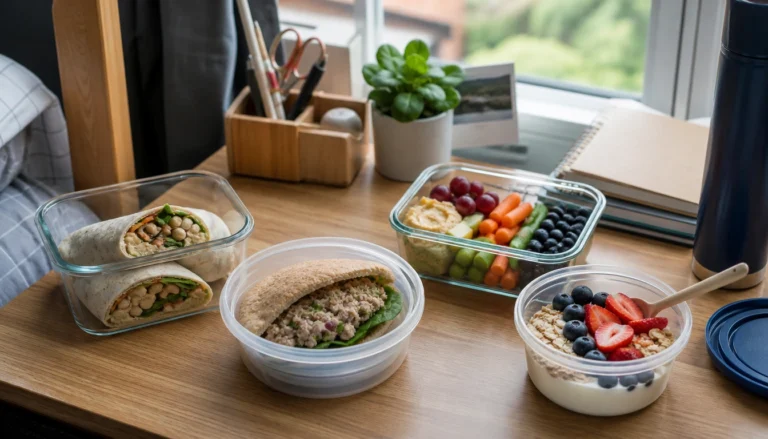
College lunches can be healthy, filling, and affordable without a stove. Use a simple protein-fiber-fat-produce formula, lean on mini-fridge and pantry staples, and keep food safety front and center.

A short warm-up before brisk walking can help adults over 50 move more comfortably, ease stiffness, and reduce the shock of starting too fast. The best approach is a gradual transition: slow walking, simple dynamic mobility, and a careful build to pace.

A short after-work decompression routine can help busy parents shift out of work mode, lower irritability, and show up more calmly for kids and family—whether you commute, work from home, or parent solo.

The easiest health goals for college students usually start with sleep, water, movement, and simple food choices that fit real campus life. Small, repeatable habits tend to work better than strict routines, especially during busy weeks, dorm living, and exam stress.

Small routines can make college feel less draining. Focus on sleep, food, hydration, movement, and campus-smart habits that fit real class schedules, dorm life, and commuting.

A realistic night routine for college students can make sleep easier without pretending screens do not exist. The goal is to reduce stimulation, protect the last 30 to 60 minutes before bed, and build a dorm-friendly routine you can actually repeat.

A healthy morning routine after 60 should help you wake up safely, reduce stiffness, support hydration and alertness, and fit your real sleep pattern—not force an ultra-early start.