Screen-Free Evening Routine for Busy Parents: A Practical Guide
A screen-free evening routine can help busy parents fall asleep faster, reduce bedtime stress, and make family nights feel calmer without adding a complicated new system.

Sustainable lifestyle ideas that support energy, balance, and long-term wellbeing.

A screen-free evening routine can help busy parents fall asleep faster, reduce bedtime stress, and make family nights feel calmer without adding a complicated new system.

A realistic screen-free evening routine can help college students fall asleep faster, sleep more deeply, and feel less wired at night—without demanding a perfect digital cutoff.

Meal planning can lower grocery spending, reduce food waste, and make weeknights easier without sacrificing nutrition. A flexible plan built around staples, leftovers, and smart store choices helps busy households eat well on a tighter budget.

A simple meal-planning routine can help adults over 60 eat well with less stress, support muscle maintenance, reduce food waste, and make everyday meals safer and easier.

Remote work can make eating either too automatic or too random. A simple meal plan, clearer boundaries, and low-friction prep can help you stop grazing, avoid skipped meals, and keep your energy steadier through the workday.

A realistic meal planning habit does not require perfect recipes or a fully stocked kitchen. Busy parents can lower stress by using a simple weekly structure, a few repeatable meals, and low-friction staples that make dinner easier to pull off on hectic nights.
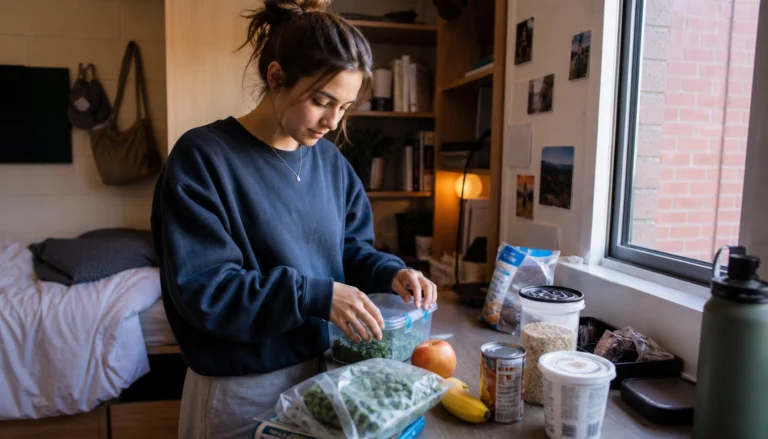
A realistic meal planning habit can help college students save money, eat better, and avoid last-minute convenience food without spending hours in the kitchen. The best approach depends on your housing, schedule, budget, and activity level.

A steady grocery routine can lower weekly spending without lowering meal quality. The most effective approach is simple: plan from what you already have, shop with a list, and cook in ways that reduce waste and impulse buying.

A practical grocery routine can help adults over 60 eat well on a limited budget without wasting food. The best approach is simple: plan around nutrient-dense foods, protect protein intake, use frozen and canned staples wisely, and build in safety checks and cost-saving supports.

A low-friction grocery routine can help remote workers cut food costs, reduce delivery-app spending, and eat well without complicated meal prep.