Food timing without miracle claims
Sleep Nutrition: What to Eat, Limit, and Question
Sleep nutrition is the practical study of how diet quality, meal timing, caffeine, alcohol, and individual symptoms may relate to sleep. The strongest everyday guidance is modest: eat a balanced diet, avoid heavy late meals, and notice how stimulants and alcohol affect you.
Research links healthier dietary patterns with better sleep, but much of the evidence is observational. That means diet and sleep are related without proving that one food causes better sleep. No single snack, vitamin, mineral, or “sleepy drink” reliably treats insomnia.
What Does Sleep Nutrition Mean?
Sleep nutrition focuses on overall eating patterns and timing rather than miracle foods. NHLBI advises avoiding heavy or large meals within a few hours of bedtime, limiting caffeine and nicotine, and avoiding alcohol before bed. A light snack can be reasonable when hunger would otherwise be distracting.
Usually worth emphasizing
- Regular, balanced meals
- Vegetables, fruit, whole grains
- Appropriate protein sources
- Enough daytime fluids
- Personal symptom tracking
Worth reviewing
- Late caffeine
- Alcohol near bedtime
- Heavy late meals
- Reflux-triggering foods
- Unproven sleep supplements
Seven Practical Sleep Nutrition Habits
- Prioritize overall diet quality. Build meals around vegetables and fruit, whole grains, protein foods, and unsaturated fats in a pattern that fits your health needs. Observational reviews associate healthier patterns with better sleep, but causality is not proven.
- Keep meal timing reasonably consistent. Large schedule swings and very late dinners may be difficult for some people. Consistency is more useful than chasing a perfect clock time.
- Move large meals earlier. NHLBI recommends avoiding heavy or large meals within a few hours of bedtime. If hunger disrupts sleep, a small familiar snack may be more comfortable.
- Set a caffeine cutoff. Coffee, tea, energy drinks, chocolate, and some medicines contain caffeine. Effects can last for hours, and sensitivity differs widely.
- Do not use alcohol as a sleep aid. Alcohol may feel sedating at first, yet it can create lighter, more fragmented sleep later and may worsen sleep-related breathing problems.
- Manage fluids individually. Hydration matters, but large amounts near bedtime can increase bathroom trips. Follow clinical advice if you have kidney, heart, bladder, or fluid-balance concerns.
- Track symptoms, not food myths. Record reflux, bloating, hunger, caffeine, alcohol, meal timing, awakenings, and daytime function. Review patterns over several days.

What About Specific “Sleep Foods”?
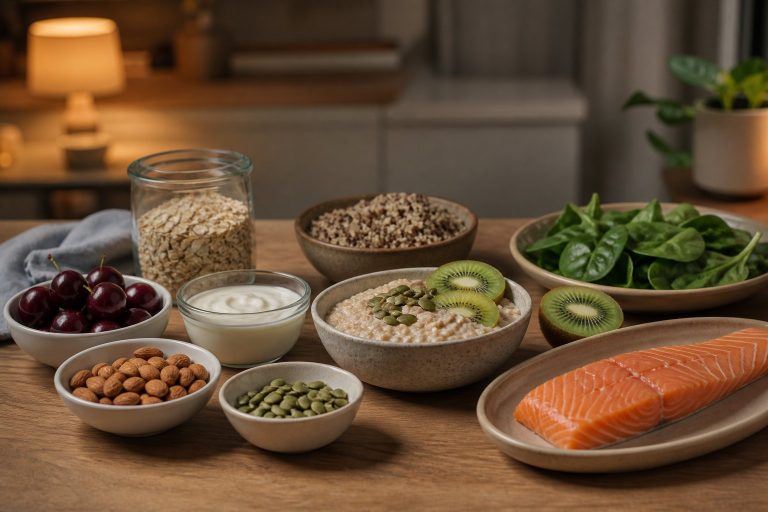
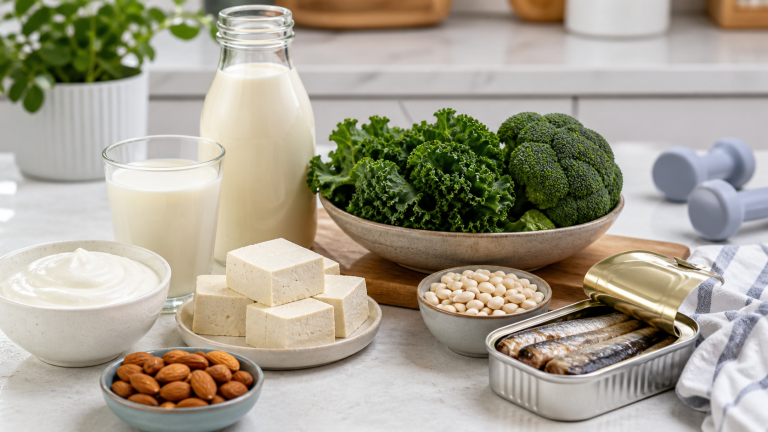
Foods such as tart cherries, kiwi, milk, nuts, and certain fish are often promoted for sleep because they contain melatonin, tryptophan, magnesium, or other compounds. Small studies exist, but serving sizes, populations, outcomes, and study quality vary. These foods can fit a balanced diet, but the evidence does not justify promising that one will treat insomnia.
Carbohydrate and protein distribution has also been studied. Reviews report inconsistent results and possible reverse causality—poor sleep may change food choices, just as diet may relate to sleep. Avoid rigid macronutrient rules unless they are part of an individualized nutrition plan.
Supplements for Sleep: Evidence and Safety
NCCIH states that there is very little rigorous research on magnesium supplements for insomnia and other sleep disorders. Magnesium is an essential nutrient, but correcting a documented deficiency is different from assuming that extra supplementation improves sleep.
Melatonin may be useful for specific timing-related conditions, but evidence is insufficient to recommend it for chronic insomnia. Long-term safety is unclear, product contents can vary, and interactions can occur.
A Two-Week Food and Sleep Diary
| Track | Record | What it may reveal |
|---|---|---|
| Meals | Timing and approximate size | Late-meal patterns |
| Stimulants | Caffeine source and time | Possible timing sensitivity |
| Symptoms | Reflux, hunger, bathroom trips | Individual contributors |
| Sleep | Awakenings and daytime alertness | Whether changes matter |
Change one major variable at a time and review several days. For the wider behavioral framework, see our sleep hygiene guide.
Frequently Asked Questions
What should I eat before bed for better sleep?
No single food reliably improves sleep. If hunger is distracting, choose a small familiar snack that fits your health needs and avoid using a heavy meal as a sleep strategy.
How long before bed should I stop eating?
NHLBI advises avoiding heavy or large meals within a few hours of bedtime. Individual needs vary, especially with reflux, diabetes, pregnancy, or shift work.
Does magnesium improve sleep?
Research is limited, and NCCIH says evidence is not rigorous enough to determine effectiveness for insomnia or other sleep disorders. Discuss supplementation with a qualified professional.
Is melatonin a nutrient or a sleep medicine?
Melatonin is a hormone and is sold as a dietary supplement in the United States. It is not recommended as a general treatment for chronic insomnia and can interact with medicines.
When should poor sleep be medically evaluated?
Seek advice when problems persist, impair daytime function, or occur with breathing pauses, severe sleepiness, restless legs, pain, mood changes, or unusual nighttime behavior.
References
- Centers for Disease Control and Prevention — About Sleep
- NHLBI, NIH — Healthy Sleep Habits
- NHLBI, NIH — Insomnia Treatment
- NCCIH — Magnesium Supplements for Sleep Disorders
- NCCIH — Melatonin: What You Need To Know
- Sleep Medicine Reviews — Association Between Diet and Sleep Quality
- Nutrients — Sleep Quality and Macronutrient Distribution Review
Medical disclaimer: This article is for general educational purposes only and is not a substitute for professional medical or nutrition advice, diagnosis, or treatment.