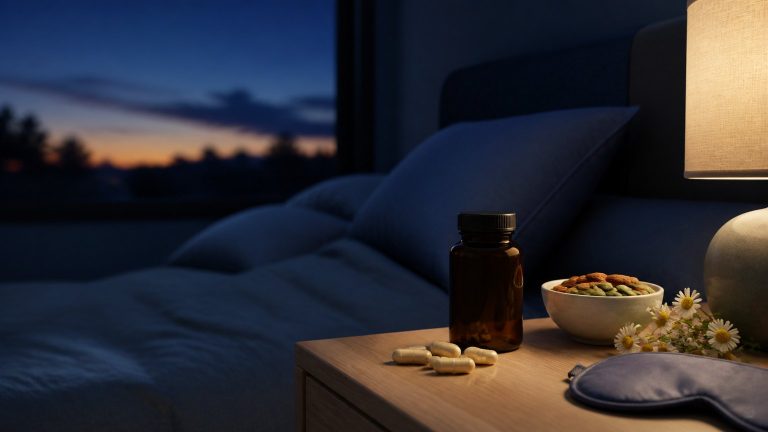
Foods that support sleep are best understood as part of an overall eating pattern—not as edible sleeping pills. Diet can influence comfort, blood sugar stability, nutrient intake, reflux, caffeine exposure, alcohol use, and circadian timing. But no single food reliably cures insomnia or guarantees more deep sleep.
This evidence-based guide separates promising foods from exaggerated claims, explains how meal timing matters, and gives practical dinner and snack ideas that support both sleep and general health.
Can Foods Really Support Sleep?
Research consistently finds associations between diet quality and sleep, but much of the evidence is observational. People who eat more fruits, vegetables, whole grains, legumes, fish, nuts, and seeds may also exercise more, follow regular schedules, and have other health advantages.
A 2025 systematic review and meta-analysis found that good sleep quality and sufficient sleep were associated with higher adherence to a Mediterranean diet. The relationship may be bidirectional: healthier eating may support sleep, and better-rested people may make healthier food choices.
Key takeaway: build a consistent, balanced dietary pattern first. Treat individual “sleep foods” as optional additions, not medical treatments.
What Makes a Food Sleep-Supportive?
Foods may support sleep indirectly by providing:
- Complex carbohydrates and fiber for a balanced meal
- Protein for satiety and overall nutrition
- Magnesium for normal nerve and muscle function
- Tryptophan, an essential amino acid involved in serotonin and melatonin pathways
- Omega-3 fats and other nutrients associated with healthy dietary patterns
- Natural plant compounds such as polyphenols
The presence of a nutrient does not prove that eating a food immediately improves sleep. Digestion, dose, the rest of the diet, and individual health all matter.
Foods That Support Sleep: Kiwi
Kiwi is frequently promoted as a bedtime food because it contains fiber, vitamin C, folate, potassium, and plant compounds. Small studies have reported improvements in subjective sleep measures after eating kiwi before bed, but the evidence base is limited.
Kiwi can still be a practical snack: it is nutrient-dense, naturally portioned, and less heavy than many desserts. People with kiwi allergy or latex-fruit syndrome should avoid it.
Foods That Support Sleep: Tart Cherries
Tart cherries contain anthocyanins and small amounts of naturally occurring melatonin. A 2025 systematic review included seven intervention studies; some reported improvements in sleep duration, efficiency, or onset, while others did not. Doses, products, populations, and study designs differed substantially.
Unsweetened tart cherry products may fit a balanced diet, but juice can add concentrated sugar and calories. It should not be presented as a proven insomnia treatment or combined casually with medications based on online claims.
Foods That Support Sleep: Oats and Whole Grains
Oats, brown rice, quinoa, barley, and other whole grains provide complex carbohydrates, fiber, B vitamins, and minerals. A balanced portion at dinner may feel more satisfying than a very low-carbohydrate meal for some people.
Plain oatmeal can also make a modest evening snack. Add fruit, yogurt, nuts, or seeds rather than turning it into a high-sugar dessert. People with diabetes or other metabolic conditions should personalize portions.
Foods That Support Sleep: Yogurt and Dairy
Milk, yogurt, and other dairy foods provide protein, calcium, and tryptophan. The traditional warm-milk ritual may be relaxing, but evidence that dairy alone induces sleep is limited.
Choose unsweetened or lightly sweetened options when possible. Lactose intolerance, dairy allergy, reflux, or personal preference may make alternatives more suitable. A fortified soy yogurt can provide protein without dairy.
Foods That Support Sleep: Nuts and Seeds
Almonds, walnuts, pistachios, pumpkin seeds, chia seeds, and sesame provide unsaturated fats, minerals, protein, and fiber. Some contain magnesium or small amounts of melatonin-related compounds, but portions used in laboratory analyses do not always reflect ordinary eating.
A small handful can add satiety to a snack. Nuts and seeds are calorie-dense, so more is not necessarily better. Anyone with an allergy must avoid the relevant food.
Foods That Support Sleep: Leafy Greens and Legumes
Spinach, kale, beans, lentils, and chickpeas contribute magnesium, folate, potassium, fiber, and plant protein. Their value comes from supporting overall diet quality rather than acting as rapid sedatives.
Increase fiber gradually if legumes cause bloating. Finish large portions earlier in the evening if digestive discomfort disrupts sleep.
Foods That Support Sleep: Fish
Salmon, sardines, trout, and other fish provide protein and, depending on the species, omega-3 fats and vitamin D. Fish fits naturally into Mediterranean-style eating patterns associated with better sleep in observational research.
The evidence does not justify claiming that one salmon dinner will improve sleep that night. Choose fish according to local safety guidance, sustainability, pregnancy considerations, and personal health needs.
A Mediterranean-Style Pattern for Better Sleep
A Mediterranean-style diet emphasizes vegetables, fruits, legumes, whole grains, nuts, seeds, olive oil, and fish, with less reliance on highly processed foods. Multiple systematic reviews report associations between higher adherence and better sleep quality or fewer insomnia symptoms.
Most included studies are observational, so causation remains uncertain. Still, this pattern has broader health benefits and is more credible than chasing isolated “sleep superfoods.”
Meal Timing Matters
A large, heavy meal immediately before bed may worsen reflux, bloating, or discomfort. Very late eating can also conflict with circadian and metabolic timing, although the best cutoff varies by schedule and health.
As a practical starting point, finish the main evening meal two to four hours before bed. This is not a universal medical rule. Shift workers, athletes, people with diabetes, and those taking certain medicines may require different timing.
Should You Eat a Bedtime Snack?
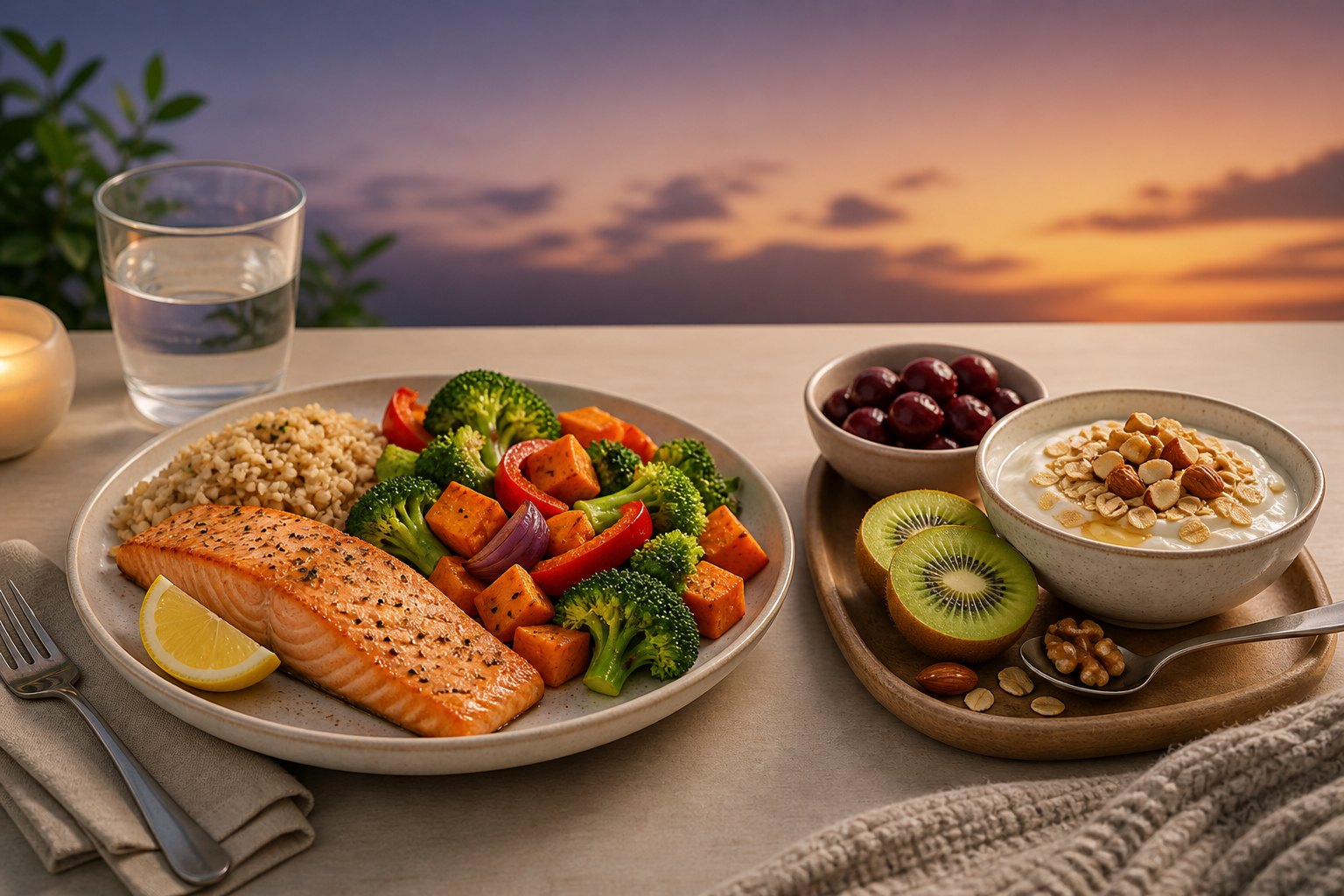
A snack is not required if dinner was satisfying and hunger is absent. If hunger keeps you awake, choose a small combination of complex carbohydrate and protein or healthy fat:
- Plain yogurt with kiwi
- Oatmeal with pumpkin seeds
- A banana with a small amount of nut butter
- Whole-grain toast with hummus
- A small bowl of unsweetened cereal with milk or fortified soy milk
- Tart cherries with yogurt
For more options, see our guide to the best foods to eat before bed.
Foods and Drinks That Can Disrupt Sleep
Caffeine
Caffeine blocks adenosine signaling and can remain active for many hours. Coffee, tea, energy drinks, pre-workout powders, chocolate, and some medicines may contain it. Even when you fall asleep, late caffeine can reduce sleep quality for sensitive individuals.
Move the last caffeine earlier for two weeks and track the result. A fixed noon cutoff is not necessary for everyone, but a late-afternoon or evening habit is worth testing.
Alcohol
Alcohol may make you feel sleepy initially, but it often fragments the second half of the night and alters normal sleep architecture. It can worsen reflux, snoring, and obstructive sleep apnea.
Very large or spicy meals
These may aggravate reflux or discomfort. Trigger foods vary, so identify your pattern rather than eliminating entire food groups without a reason.
High-sugar late-night eating
Sweets are not automatically forbidden, but a large sugar-heavy snack may displace nutritious foods, add excess calories, and cause digestive discomfort. Portion and overall pattern matter.
Magnesium-Rich Foods and Sleep
Magnesium supports normal nerve and muscle function. Foods such as pumpkin seeds, almonds, beans, leafy greens, and whole grains can help meet daily needs.
Supplement research for sleep is mixed, and higher doses may cause diarrhea or interact with health conditions and medicines. Our guide to magnesium and sleep reviews forms, dosage, safety, and evidence.
Tryptophan: Helpful Nutrient or Hype?
Tryptophan is needed to make serotonin and melatonin, but eating tryptophan-rich food does not automatically flood the brain with melatonin. Absorption and competition with other amino acids complicate the pathway.
Eggs, dairy, fish, poultry, soy foods, nuts, seeds, and legumes provide tryptophan as part of a balanced diet. There is no need to consume enormous portions at bedtime.
Does Turkey Make You Sleepy?
Turkey contains tryptophan, but so do many protein foods. Post-meal sleepiness after a holiday dinner is more likely to reflect a large meal, alcohol, the time of day, and relaxation than a unique pharmacological effect of turkey.
What About Herbal Tea?
A warm caffeine-free drink can serve as a calming routine. Evidence for specific herbal teas varies, and “natural” does not guarantee safety. Herbs may cause allergies, interact with medicines, or be inappropriate during pregnancy.
Check labels carefully: green, black, oolong, yerba mate, and many chai products contain caffeine. Limit fluid volume if bathroom trips disturb sleep.
Do Melatonin-Containing Foods Replace Supplements?
Some foods contain measurable melatonin, but amounts vary by species, ripeness, processing, and laboratory method. Food exposure is not equivalent to a standardized supplement dose.
Supplements also should not be treated as simple sleeping pills. They mainly act as timing signals and may be useful in selected situations. See our article on melatonin and sleep for evidence and safety.
A One-Day Sleep-Supportive Eating Example
This example is flexible and should be adapted for allergies, preferences, culture, energy needs, and medical conditions:
- Breakfast: oatmeal with berries, yogurt, and seeds
- Lunch: lentil and vegetable bowl with whole grains and olive oil
- Snack: fruit with a handful of nuts
- Dinner: salmon or tofu, roasted vegetables, and brown rice
- Optional evening snack: kiwi with plain yogurt
The goal is nutrient density, reasonable portions, and consistent timing—not a perfect menu.
How to Test Foods That Support Sleep
- Choose one change: for example, move dinner earlier or replace a heavy dessert with a modest snack.
- Keep the wake time stable: this reduces a major source of variation.
- Track two weeks: note meal timing, caffeine, alcohol, bedtime, awakenings, and daytime alertness.
- Look for trends: do not judge the change from one night.
- Keep what helps: abandon complicated rituals that add stress without benefit.
When Food Is Not the Main Problem
Persistent insomnia, loud snoring, gasping, severe daytime sleepiness, restless legs, pain, depression, anxiety, or medication effects require proper assessment. Food changes cannot treat obstructive sleep apnea or replace cognitive behavioral therapy for insomnia.
Seek individualized guidance from a registered dietitian or clinician if you have diabetes, kidney disease, gastrointestinal disorders, food allergies, pregnancy, an eating disorder history, or take medicines affected by food timing.
Frequently Asked Questions
What is the best food to eat before bed?
There is no universal best food. If you are hungry, choose a small, familiar snack that combines nutrient density with easy digestion.
How long before bed should I stop eating?
Many people feel comfortable finishing the main meal two to four hours before bed. Individual needs, work schedules, reflux, diabetes, and exercise can change the answer.
Are bananas good for sleep?
Bananas provide carbohydrate, potassium, and other nutrients. They can fit a balanced snack, but evidence does not show that bananas reliably induce sleep.
Can tart cherry juice cure insomnia?
No. Small studies are promising, but the evidence is limited and heterogeneous. Consider sugar content, portion, and overall diet.
Should I take magnesium instead of eating magnesium-rich foods?
Food is generally the safer starting point. Supplements may be appropriate for selected people after reviewing dose, kidney function, medicines, and side effects.
The Bottom Line
Foods that support sleep are nutrient-dense foods within a balanced dietary pattern: fruits, vegetables, legumes, whole grains, nuts, seeds, dairy or alternatives, and fish or other quality proteins. Kiwis and tart cherries are promising but not proven cures. Prioritize overall diet quality, reasonable meal timing, less late caffeine and alcohol, and a consistent sleep routine.
This article is for educational purposes only and is not a substitute for medical or nutrition advice, diagnosis, or treatment.
Sources
- Arab A, et al. Sleep and the Mediterranean diet: systematic review and meta-analysis (2025)
- Godos J, et al. Mediterranean Diet and Sleep Features: systematic review (2024)
- Barforoush F, et al. Effect of Tart Cherry on Sleep Quality and Sleep Disorders: systematic review (2025)
- Godos J, et al. Association between diet and sleep quality: systematic review (2021)
- Dietary patterns and insomnia symptoms: systematic review and meta-analysis (2024)
- National Heart, Lung, and Blood Institute: Your Guide to Healthy Sleep