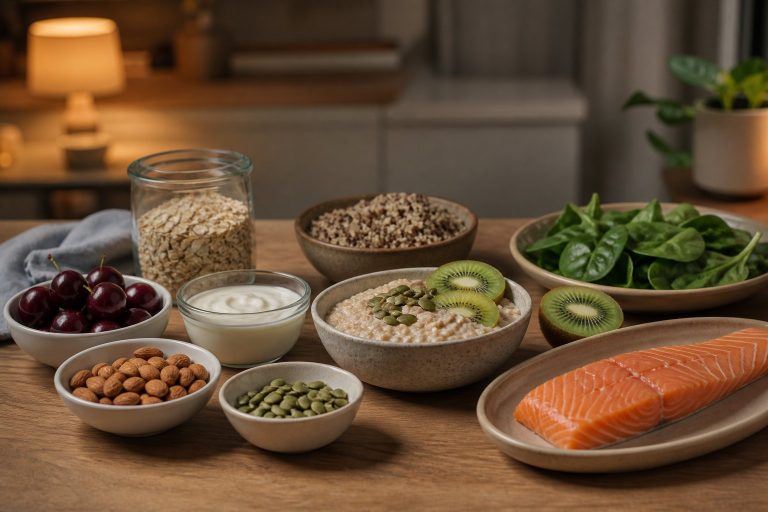
The best foods to eat before bed are usually light, satisfying, and easy on your stomach. A small snack may help when genuine hunger keeps you awake, but no single food works like a sleeping pill. Your overall eating pattern, meal timing, caffeine and alcohol intake, stress, and sleep routine matter more than any “miracle” ingredient.
This practical guide offers balanced bedtime snack ideas, explains what the research actually shows, and helps you avoid choices that may cause reflux or disrupted sleep.
Best Foods to Eat Before Bed: What Makes a Good Choice?
A useful bedtime snack combines a modest portion of complex carbohydrate, protein, or healthy fat without becoming a second dinner. The goal is to take the edge off hunger while limiting heaviness, excess sugar, or digestive discomfort.
If you are not hungry, you do not need to eat before bed. If you are hungry, choose a small snack and notice how your sleep and digestion respond. People with diabetes, kidney disease, food allergies, reflux, or other medical conditions should follow individualized nutrition advice.
10 Best Foods to Eat Before Bed
1. Plain Greek yogurt with kiwi
Plain Greek yogurt provides protein, while kiwi adds fiber and natural sweetness. A small study of 24 adults with sleep problems found improvements after participants ate two kiwifruits one hour before bed for four weeks. However, it had no control group, so kiwi should be viewed as a nutritious option—not a proven insomnia treatment.
2. Banana with a small spoonful of nut butter
A banana paired with peanut or almond butter creates a simple mix of carbohydrate and fat. Keep the nut-butter portion modest because a large, high-fat snack may feel heavy close to bedtime.
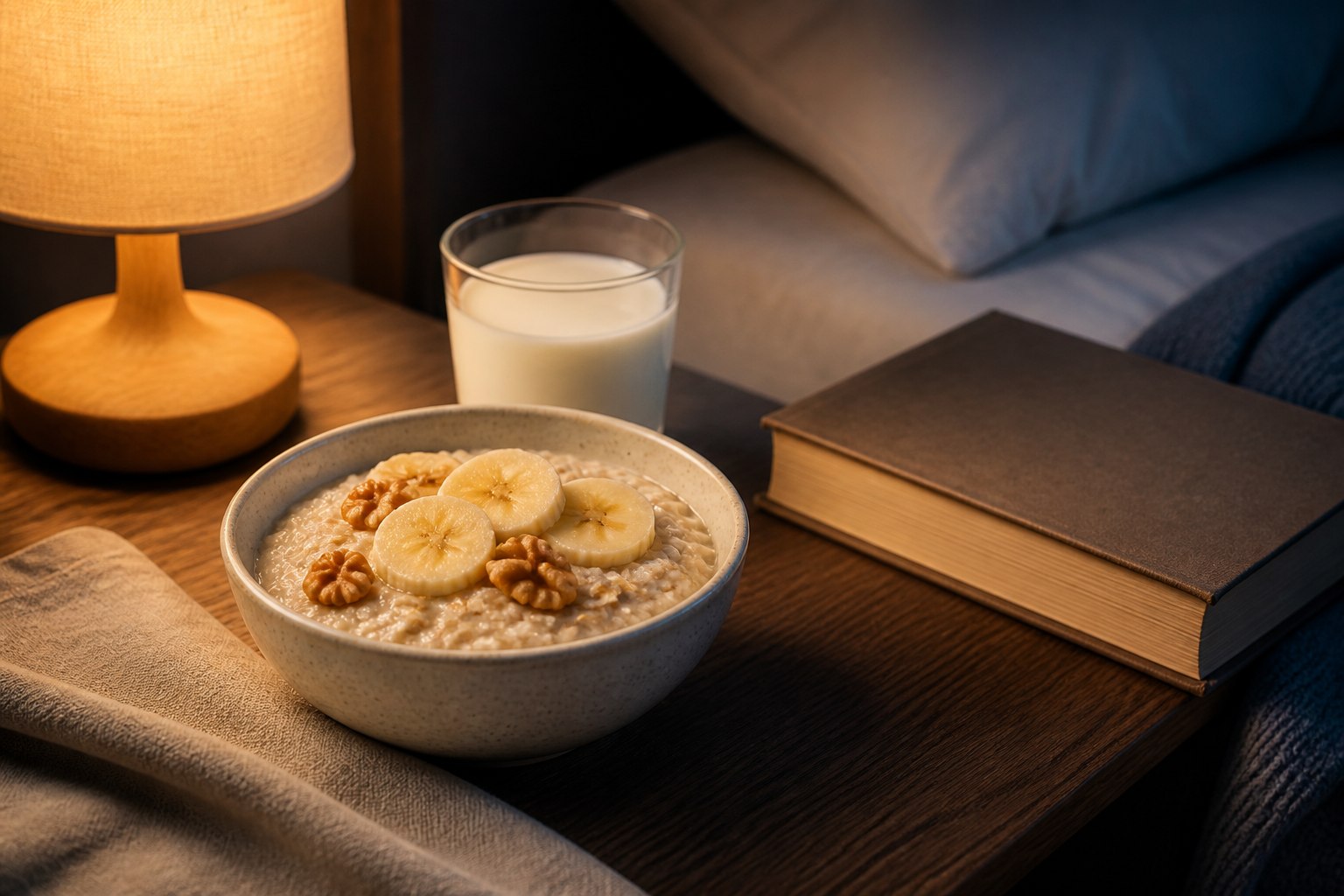
3. Oatmeal with milk
A small bowl of plain oatmeal can be warm and satisfying. Add milk or an unsweetened fortified alternative for protein, then use banana or cinnamon instead of a large amount of added sugar.
4. Whole-grain crackers with cottage cheese
This combination offers carbohydrate and protein in an easy-to-control portion. Choose lower-sodium options when that fits your health needs.
5. A small handful of nuts
Almonds, walnuts, or pistachios are convenient and nutrient-dense. Because calories add up quickly, use a small handful rather than eating from a large container.
6. Turkey on a whole-grain cracker
A few slices of minimally processed turkey with whole-grain crackers can make a light protein-rich snack. Turkey contains tryptophan, an amino acid involved in serotonin and melatonin production, but an ordinary serving should not be expected to make you instantly sleepy.
7. Kiwi fruit
Kiwi is a light option for people who tolerate it well. Its possible sleep benefits remain based on limited early research. Avoid it if you have a kiwi allergy, and remember that eating more is not necessarily better.
8. Warm milk
Warm milk can be part of a calming routine and provides protein. The comforting habit may matter as much as its nutrient content. Choose lactose-free milk or a suitable alternative if regular milk causes symptoms.
9. Hummus with whole-grain toast
A thin layer of hummus on toast offers carbohydrate, protein, and fiber. Keep garlic, spice, and portion size modest if reflux is a concern.
10. Tart cherries or a small serving of tart cherry juice
Small pilot trials have reported sleep improvements with tart cherry juice, but the studies were short and included few participants. Juice can also add substantial sugar and calories. Consider a small serving, choose an unsweetened product when possible, and do not treat it as a substitute for evidence-based insomnia care.
How Long Before Bed Should You Eat?
For most people, a small snack about one to two hours before bed is reasonable if hunger is distracting. Large meals are different: the National Heart, Lung, and Blood Institute recommends avoiding heavy or large meals within a few hours of bedtime.
If you have nighttime reflux, the National Institute of Diabetes and Digestive and Kidney Diseases advises eating meals at least three hours before lying down or going to bed. Your trigger foods may be individual, so track symptoms rather than following a universal banned-food list.
Foods and Drinks to Limit Before Bed
Large or high-fat meals
Heavy portions can increase fullness and discomfort. Fried foods, large pizzas, creamy dishes, and oversized desserts are better scheduled earlier when they do not interfere with rest.
Caffeine
Coffee is not the only source. Tea, cola, energy drinks, chocolate, pre-workout products, and some medicines may contain caffeine. NHLBI notes that caffeine’s effects can last for hours, so a late-afternoon serving may affect bedtime.
Alcohol
Alcohol may make you feel drowsy at first, but it can lead to lighter, more fragmented sleep later in the night. It may also worsen snoring and reflux.
Spicy, acidic, or mint-flavored foods when you have reflux
Common triggers can include spicy foods, tomato, citrus, chocolate, coffee, alcohol, high-fat foods, and mint. Not everyone reacts to the same foods, so use a symptom diary and professional guidance.
Large amounts of fluid
Too much liquid close to bed may increase bathroom trips. Hydrate consistently during the day and adjust evening intake to your needs.
Simple Bedtime Snack Combinations
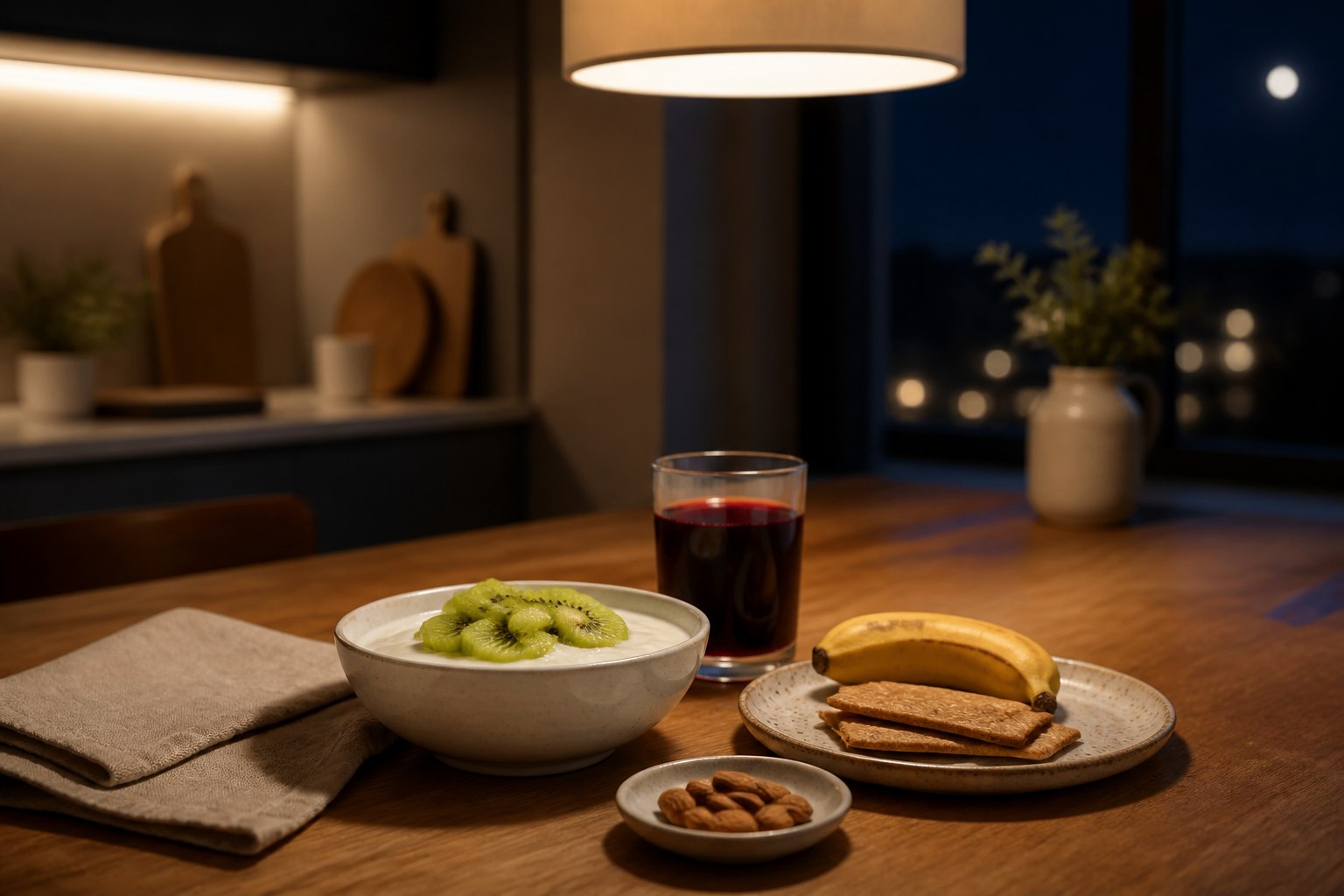
- Plain yogurt + sliced kiwi
- Half a banana + a teaspoon of nut butter
- Small oatmeal + milk + a few walnuts
- Whole-grain crackers + cottage cheese
- Whole-grain toast + thin layer of hummus
- Warm milk + a small piece of fruit
Choose one small combination, not the whole list. A snack should address hunger without becoming a full meal.
Can Food Cure Insomnia?
No food has been proven to cure chronic insomnia. The kiwi and tart cherry studies are interesting but small, and their findings should not be exaggerated. For ongoing insomnia, cognitive behavioral therapy for insomnia (CBT-I) is generally recommended as the first treatment option.
Nutrition works best alongside a consistent schedule, a cool and dark bedroom, daytime activity, and careful caffeine timing. Our guide on how to sleep better after 40 covers these habits in more detail.
Frequently Asked Questions
Is it bad to eat right before bed?
Not automatically. A light snack may be reasonable when hunger prevents sleep. A large meal immediately before lying down is more likely to cause discomfort, especially if you have reflux.
What is the healthiest late-night snack?
There is no single best choice. Plain yogurt with fruit, oatmeal with milk, or whole-grain crackers with cottage cheese are balanced examples. Your allergies, medical needs, and digestive tolerance come first.
Do bananas make you sleepy?
Bananas provide useful nutrients, but they have not been proven to act as a sedative. They are simply a convenient, easy-to-portion bedtime food.
Is tart cherry juice proven to improve sleep?
A few small trials suggest possible benefits, but the evidence is not strong enough to call it a reliable insomnia treatment. Consider sugar content, portion size, and medical needs.
The Bottom Line
The best foods to eat before bed are light, modestly portioned, and personally well tolerated. Try options such as yogurt with kiwi, oatmeal with milk, banana with nut butter, or whole-grain crackers with cottage cheese. Avoid turning a bedtime snack into a heavy meal, and address persistent sleep problems with a healthcare professional.
This article is for general education and does not replace personalized medical or nutrition advice.
Sources
- National Heart, Lung, and Blood Institute: Healthy Sleep Habits
- National Heart, Lung, and Blood Institute: Insomnia Treatment
- NIDDK: Eating, Diet, and Nutrition for GERD
- Lin et al.: Kiwifruit Consumption and Sleep Quality
- Pigeon et al.: Tart Cherry Juice and Sleep in Older Adults
- Losso et al.: Tart Cherry Juice Pilot Study