A high-protein breakfast for women over 40 can be as simple as Greek yogurt with fruit and oats, eggs with whole-grain toast, cottage cheese with berries, or a tofu breakfast wrap. Protein can help make breakfast more substantial and may improve short-term fullness, but there is no special protein number that every woman over 40 must hit at breakfast. Focus on a balanced meal, adequate protein across the day, and foods you can realistically eat consistently.
Key Takeaways
- There is no official federal definition of a “high-protein breakfast” or special breakfast protein target for women over 40.
- The adult protein RDA is 0.8 grams per kilogram of body weight per day, although individual needs can change with activity, age, pregnancy, illness, recovery, and health conditions.
- Greek yogurt, eggs, cottage cheese, milk, fortified soy milk, tofu, beans, nuts, seeds, and other protein foods can all contribute.
- Higher-protein breakfasts may increase fullness for some people, but they do not automatically cause weight loss.
- Pair protein with fruit, vegetables, whole grains, or other fiber-rich foods instead of building breakfast around protein alone.
- Protein powder can be convenient, but most women do not need it simply because they are over 40.
Why Protein at Breakfast Can Matter After 40
Women in their 40s can have very different nutritional needs. Some are highly active, others are returning to exercise, and many are moving through perimenopause. Body size, total calorie intake, training, pregnancy, health conditions, and overall diet all influence protein needs.
Protein provides amino acids that the body uses to build and maintain muscle and other tissues. Including a reliable source at breakfast can also make it easier to distribute protein across the day instead of relying almost entirely on dinner.
A 2024 scoping review found possible benefits of greater breakfast protein intake for muscle mass in adults, including limited evidence involving middle-aged women. The relationship with muscle strength remained unclear, however, and researchers called for better randomized trials.
That distinction matters. A protein-rich breakfast can be a useful nutrition habit, but it should not be marketed as a guaranteed way to prevent age-related muscle loss.
Midlife principle: protein works best alongside enough total food, regular resistance training, sleep, and an overall nutrient-dense eating pattern.
How Much Protein Do Women Over 40 Need?
The established adult Recommended Dietary Allowance is 0.8 grams of protein per kilogram of body weight per day. The RDA is designed to cover the needs of nearly all healthy adults in the group.
For example, a healthy adult who weighs 70 kilograms would calculate an RDA of 56 grams per day. That example represents the standard adult formula rather than an individualized target for every woman with that body weight.
Resistance training, endurance training, pregnancy, illness, recovery, calorie restriction, and some other circumstances can change practical protein needs. Women with medical conditions that affect kidney function or protein metabolism may also need individualized advice.
Is There a Protein Target for Breakfast?
Federal nutrition guidance does not establish a specific number of protein grams that every adult should eat at breakfast. The FDA does use a Daily Value of 50 grams for protein on food labels, but that number serves as a standardized reference for labeling rather than a personalized daily or breakfast prescription.
Instead of chasing one breakfast number, look at your total daily protein needs and identify whether breakfast contributes a meaningful share. Someone who regularly eats toast and coffee alone may benefit from adding eggs, yogurt, cottage cheese, tofu, milk, fortified soy milk, or another protein source.
Athletes or women following an individualized muscle-building plan may use more specific meal targets with guidance from a registered dietitian or qualified sports-nutrition professional.
What Makes a Balanced High-Protein Breakfast?
Protein should be one part of breakfast rather than the entire meal. The current Dietary Guidelines emphasize whole, nutrient-dense foods, including protein foods, dairy, vegetables, fruits, healthy fats, and whole grains.
USDA’s Protein Foods Group includes seafood, meat, poultry, eggs, beans, peas, lentils, nuts, seeds, and soy foods. Dairy foods also contribute substantial protein even though they belong to a different food group.
Simple breakfast formula: choose one substantial protein source, add a fruit or vegetable, include a whole grain or another fiber-rich carbohydrate when desired, and add healthy fats according to appetite.
High-Protein Breakfast Foods to Keep Available
- Plain Greek yogurt
- Cottage cheese
- Eggs
- Milk or lactose-free dairy milk
- Fortified soy milk or soy yogurt
- Tofu or tempeh
- Beans, chickpeas, or lentils
- Nuts and seeds
- Nut or seed butter
- Protein powder when convenience makes it useful
Protein content varies by brand, serving size, and product. Check the Nutrition Facts label when you want to compare packaged foods rather than relying on broad estimates.
1. Greek Yogurt, Berry, and Oat Bowl
Start with plain Greek yogurt and add berries, oats, and a small amount of nuts or seeds. This combination provides protein alongside fruit and fiber-rich ingredients without requiring cooking.
Choose unsweetened yogurt when you want more control over added sugar. Frozen berries work well when fresh fruit is unavailable or expensive.
2. Eggs With Whole-Grain Toast and Produce
Eggs provide a convenient protein base. Pair them with whole-grain toast and fruit, tomatoes, spinach, peppers, mushrooms, or another vegetable you enjoy.
Boil several eggs in advance when mornings are rushed. Scrambled eggs can also cook quickly while toast is preparing.
3. Cottage Cheese Breakfast Bowl
Cottage cheese offers an easy no-cook breakfast. Add berries, sliced peaches, pear, or another fruit, then include seeds, nuts, or oats for texture and additional nutrients.
A savory version can use tomatoes, cucumber, herbs, and whole-grain crackers or toast. Compare sodium levels if that nutrient is important for your individual eating plan.
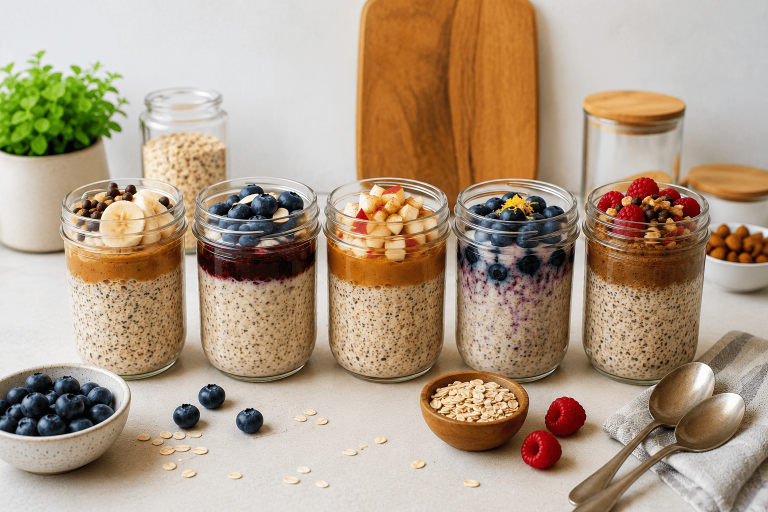
4. Protein-Rich Overnight Oats
Oats become a more protein-rich breakfast when you prepare them with Greek yogurt, dairy milk, fortified soy milk, or a combination of these ingredients. Add berries, chia seeds, walnuts, or peanut butter according to taste.
Prepare the jar the night before and refrigerate it. This option works particularly well for women who need breakfast ready before commuting or school drop-off.
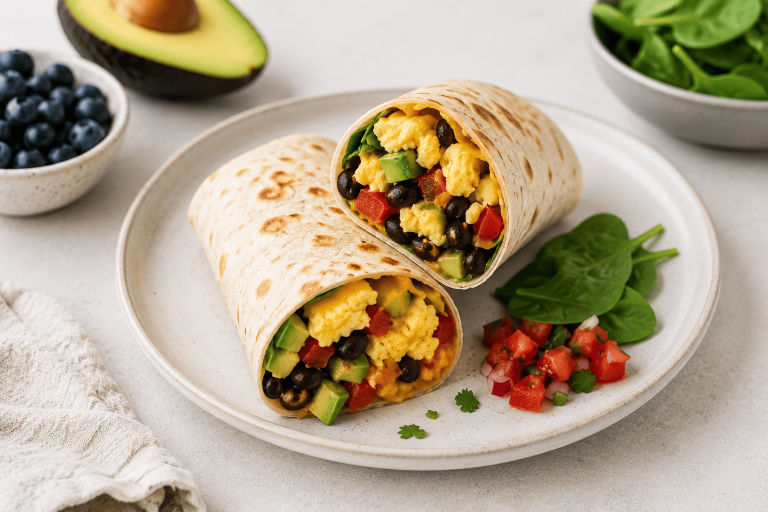
5. Tofu and Vegetable Breakfast Wrap
Crumble tofu into a pan with peppers, spinach, onions, or leftover vegetables. Wrap the mixture in a whole-grain tortilla and add salsa or avocado if desired.
Tofu provides a useful plant-based protein option. Preparing several portions of the filling ahead can shorten weekday cooking time.
6. Bean and Egg Breakfast Bowl
Combine eggs with black beans or another favorite bean, vegetables, salsa, and a small portion of whole grains or potatoes. Beans add plant protein and fiber while eggs provide another protein source.
Canned beans make this breakfast faster. Drain and rinse them when appropriate, then refrigerate unused portions safely.
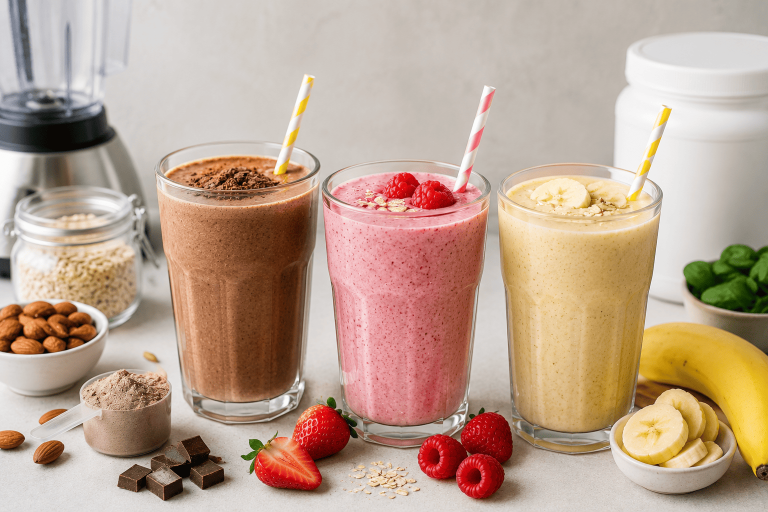
7. Quick Protein Smoothie
A smoothie can work when eating a solid breakfast is difficult. Use Greek yogurt, dairy milk, fortified soy milk, or optional protein powder as the protein base. Add fruit and, when appropriate, oats, nut butter, seeds, or vegetables.
Keep portions suited to your appetite. Smoothies can become very large when several calorie-dense ingredients are added automatically, so build the drink intentionally instead of treating every “healthy” ingredient as mandatory.
A Simple Breakfast Builder
| Choose | Examples |
|---|---|
| Protein base | Greek yogurt, eggs, cottage cheese, tofu, beans, milk, or fortified soy milk |
| Fruit or vegetable | Berries, banana, apples, tomatoes, spinach, peppers, mushrooms, or leftover vegetables |
| Fiber-rich carbohydrate | Oats, whole-grain toast, whole-grain tortilla, or another preferred whole grain |
| Healthy-fat option | Nuts, seeds, nut butter, avocado, or another unsaturated-fat source |
You do not need every category at every breakfast. The table simply provides a fast way to build a more complete meal without following a complicated recipe.
Does a High-Protein Breakfast Keep You Fuller?
Research suggests that a protein-rich breakfast can improve short-term feelings of fullness in some groups. A 2024 randomized crossover trial found greater satiety after a dairy-based protein-rich breakfast compared with a lower-protein breakfast or skipping breakfast.
However, the participants did not eat significantly fewer calories over the full day. A separate 12-week randomized trial also found greater satiety with a higher-protein breakfast but no significant advantage for body composition or cardiometabolic outcomes.
These studies mainly involved younger women, so applying their results directly to all women over 40 requires caution. A protein-rich breakfast may help some people feel satisfied, but fullness does not guarantee weight loss or a particular metabolic outcome.
Protein, Muscle, and Strength After 40
Muscle health becomes an important long-term consideration during midlife, but breakfast is only one part of the picture. Resistance training provides the direct training stimulus that encourages muscle to adapt.
Adequate protein provides the amino acids needed to support those tissues. Spreading protein-containing foods across regular meals can also make daily intake easier to achieve.
Current research does not justify claiming that a particular breakfast prevents muscle loss in every woman after 40. Think of breakfast protein as one supportive habit within a broader plan that includes adequate nutrition and strength training.
What About Perimenopause?
Many women enter perimenopause during their 40s, but the timing varies widely. Hormonal changes can occur alongside changes in sleep, body composition, menstrual patterns, appetite, and exercise recovery.
Protein remains an important nutrient during this stage, but there is no federal rule that women in perimenopause need a special high-protein breakfast or a particular number of breakfast grams.
A balanced breakfast can still be useful when disrupted sleep or a busy schedule makes regular meals harder. Choose foods that support your overall nutrition instead of searching for a menopause-specific breakfast formula.
Plant-Based High-Protein Breakfasts
Women who eat vegetarian or vegan diets can build protein-rich breakfasts without meat. USDA includes beans, peas, lentils, nuts, seeds, tofu, tempeh, and other soy foods within the Protein Foods Group.
- Tofu scramble with vegetables and whole-grain toast
- Overnight oats made with fortified soy milk and nut butter
- Soy yogurt with oats, fruit, nuts, and seeds
- Bean and avocado breakfast wrap
- Smoothie made with fortified soy milk, fruit, and optional plant protein powder
Check labels on plant-based milks and yogurts because protein content varies considerably between products. Fortification also differs by brand.
Do You Need Protein Powder?
No. Protein powder is optional. Greek yogurt, cottage cheese, eggs, tofu, dairy milk, soy foods, beans, and other foods can provide protein without a supplement.
Powder can still be practical for a rushed smoothie, travel, limited appetite, or a training plan that makes protein needs harder to meet through regular meals. Convenience is a reasonable reason to use it.
Compare serving size, protein, added sugars, sodium, and the ingredient list. Avoid assuming that extra collagen, greens, adaptogens, or other added ingredients automatically make a product better.
Five-Minute Breakfast Ideas
- Greek yogurt + berries + oats + walnuts
- Cottage cheese + fruit + pumpkin seeds
- Two pre-cooked eggs + whole-grain toast + fruit
- Overnight oats + fortified soy milk + nut butter
- Prepared smoothie pack + Greek yogurt or fortified soy milk
Speed usually comes from preparation rather than finding a special breakfast product. Boil eggs, portion oats, wash fruit, or prepare smoothie ingredients before the morning rush.
Meal Prep for a High-Protein Breakfast
You do not need to prepare seven complete breakfasts on Sunday. Preparing one or two components can remove most of the weekday work.
- Boil several eggs.
- Prepare two or three overnight-oat jars.
- Wash and portion fruit.
- Cook a tofu-and-vegetable mixture for wraps.
- Keep Greek yogurt or cottage cheese ready for no-cook mornings.
- Store frozen fruit and other smoothie ingredients together.
Follow normal food-safety practices and refrigerate perishable foods promptly. Convenience should not come at the expense of safe storage.
Common High-Protein Breakfast Mistakes
Assuming More Protein Is Always Better
Protein is essential, but an extremely high-protein breakfast is not automatically healthier. Overall dietary quality, total intake, activity, and individual needs still matter.
Removing Most Carbohydrates
A protein-rich breakfast does not need to be a carbohydrate-free breakfast. Fruit, oats, beans, and whole grains can provide fiber and other nutrients while fitting comfortably beside protein foods.
Depending on Processed Meat Every Morning
Bacon, sausage, and other processed meats are not required for a high-protein breakfast. Rotate eggs, yogurt, cottage cheese, beans, tofu, nuts, seeds, seafood, and other less processed protein foods instead.
Treating Breakfast as a Weight-Loss Hack
Higher-protein breakfasts can improve fullness in some studies, but randomized research has not shown that they automatically reduce daily calorie intake, body fat, or cardiometabolic risk markers.
Forgetting Fiber and Produce
An eggs-only or shake-only breakfast can leave little room for fiber-rich foods. Fruit, vegetables, oats, whole grains, beans, nuts, and seeds can make breakfast more nutritionally complete.
Who May Need Individual Protein Guidance?
General breakfast ideas work for many healthy adults, but some women need a more individualized plan. Pregnancy and breastfeeding change nutrient requirements, while intensive athletic training may raise practical protein needs.
Kidney disease deserves particular attention because appropriate protein intake depends on kidney function, nutritional status, treatment, and other factors. Do not begin an aggressive high-protein diet based only on general wellness advice if you have kidney disease.
A registered dietitian can help when medical conditions, restrictive diets, digestive problems, significant appetite changes, or training goals make protein planning difficult.
Frequently Asked Questions
The Bottom Line
A high-protein breakfast for women over 40 does not need an extreme protein target or complicated supplement routine. Start with a substantial protein food such as Greek yogurt, eggs, cottage cheese, tofu, beans, dairy milk, or fortified soy milk, then add fruit, vegetables, whole grains, nuts, or seeds to create a more balanced meal.
Protein at breakfast may improve short-term fullness and can make daily protein intake easier to distribute, but it is not a guaranteed weight-loss or anti-aging strategy. Combine adequate protein with resistance training, overall dietary quality, sufficient sleep, and individualized healthcare when medical conditions or specific training goals change your needs.
Medical disclaimer
Medical disclaimer: This content is for educational and informational purposes only and is not a substitute for professional medical advice, diagnosis, or treatment. Dietary needs and supplement suitability vary by individual.
Sources
- U.S. Department of Health and Human Services and U.S. Department of Agriculture. Dietary Guidelines for Americans, 2025–2030. 10th Edition. January 2026.
- U.S. Department of Agriculture. MyPlate: Protein Foods Group. Accessed September 2026.
- U.S. Food and Drug Administration. Daily Value on the Nutrition and Supplement Facts Labels. Accessed September 2026.
- National Academies of Sciences, Engineering, and Medicine. Dietary Reference Intakes: Recommended Dietary Allowances and Adequate Intakes. Accessed September 2026.
- Li M, Sun F, Piao JH, Yang XG. Effect of Breakfast Protein Intake on Muscle Mass and Strength in Adults: A Scoping Review. Nutrition Reviews. 2024.
- Dalgaard LB, Kruse DZ, Norup K, Andersen BV, Hansen M. A Dairy-Based, Protein-Rich Breakfast Enhances Satiety and Cognitive Concentration Before Lunch in Overweight to Obese Young Females: A Randomized Controlled Crossover Study. Journal of Dairy Science. 2024;107(5):2653–2667.
- No Effects of High- v. Low-Protein Breakfast on Body Composition and Cardiometabolic Health in Young Women With Overweight: The NewStart Randomised Trial. British Journal of Nutrition. 2024.