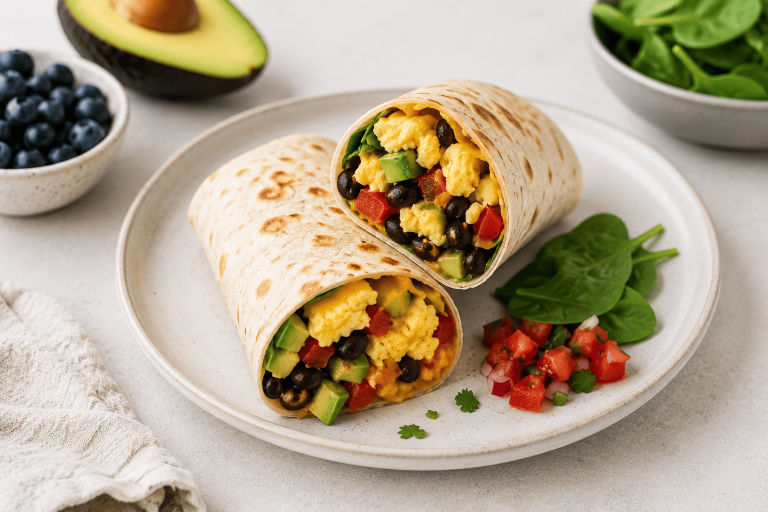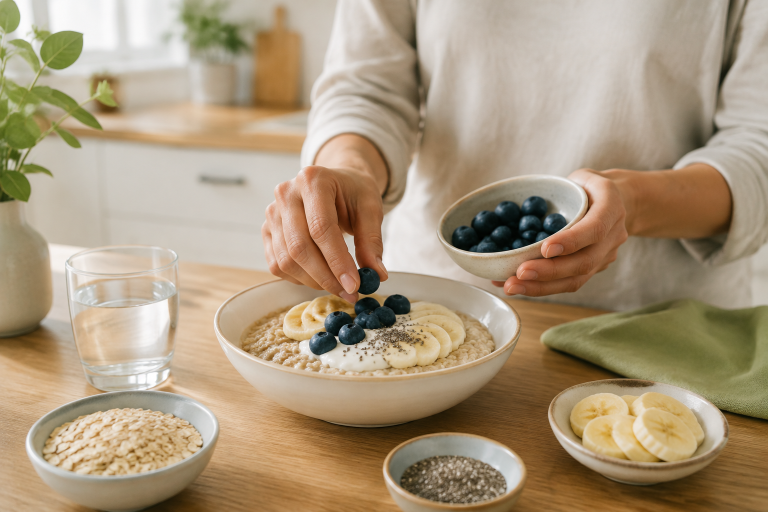
A high-protein breakfast for men over 40 can be simple: eggs with whole-grain toast, Greek yogurt with fruit and oats, cottage cheese with berries, tofu with vegetables, or overnight oats made with milk or fortified soy milk. Protein can make breakfast more substantial and help distribute intake across the day, but there is no special breakfast protein target that every man over 40 must follow. Build the meal around quality protein, fiber-rich foods, and your overall nutrition needs.
Key Takeaways
- There is no official federal definition of a high-protein breakfast or special breakfast protein requirement for men over 40.
- Eggs, Greek yogurt, cottage cheese, dairy milk, fortified soy milk, tofu, beans, nuts, seeds, and other foods can all contribute protein.
- A higher-protein breakfast may improve fullness for some people, but it does not automatically cause weight loss.
- Pair protein with fruits, vegetables, oats, whole grains, beans, nuts, or seeds instead of focusing on protein alone.
- Resistance training matters alongside adequate protein when muscle and strength are priorities.
- Men with chronic kidney disease or specialized nutrition needs should use individualized protein guidance.
Why Protein at Breakfast Can Matter After 40
Protein supplies amino acids that your body uses to maintain and repair muscle, connective tissue, organs, enzymes, hormones, and many other structures. Including a meaningful protein source at breakfast can also make it easier to meet your overall daily needs without relying heavily on dinner.
Men in their 40s may also be paying more attention to strength, body composition, metabolic health, or long-term physical function. Protein can support those goals, but breakfast is only one part of the picture.
A recent scoping review found potential benefits of greater breakfast protein intake for muscle mass across some adult studies. Results for muscle strength remained less clear, and the authors called for better randomized trials.
Keep breakfast in context: adequate protein can support muscle, but resistance training, sufficient total food, sleep, and overall diet quality also matter.
How Much Protein Do Men Over 40 Need?
The established adult protein RDA is 0.8 grams per kilogram of body weight per day for healthy adults. Turning 40 does not create a separate federal protein requirement.
For example, a healthy adult who weighs 80 kilograms would calculate 64 grams per day using the standard RDA formula. That figure is a general reference for adequacy, not a personalized performance target.
Training volume, calorie intake, illness, recovery, body size, and medical conditions can change practical needs. Men who train seriously for strength or endurance may use individualized targets that differ from the RDA.
Is There an Ideal Amount of Protein at Breakfast?
Federal nutrition guidance does not set one breakfast-specific protein target for men over 40. Research often compares breakfasts with different protein amounts, but study designs, participants, calories, food sources, and outcomes vary substantially.
Instead of chasing a universal number, start by making sure breakfast includes a recognizable protein source. Someone eating only toast and coffee, for example, can add eggs, yogurt, cottage cheese, tofu, milk, soy milk, beans, or another protein-rich food.
The FDA protein Daily Value of 50 grams appears on Nutrition Facts labels. Use it to compare foods, not as a personalized breakfast or daily intake prescription.
What Makes a Balanced High-Protein Breakfast?
The 2025–2030 Dietary Guidelines emphasize whole, nutrient-dense foods, including protein foods, dairy, vegetables, fruits, healthy fats, and whole grains. USDA MyPlate also recommends varying protein sources rather than relying on the same food every day.
Simple breakfast formula: choose a substantial protein source, add fruit or vegetables, include a whole grain or another fiber-rich carbohydrate when desired, and use nuts, seeds, avocado, or another unsaturated-fat source according to appetite.
This approach keeps breakfast nutritionally broader than a shake, protein bar, or plate of meat alone.
High-Protein Breakfast Foods to Keep Available
- Eggs
- Plain Greek yogurt
- Cottage cheese
- Dairy milk or lactose-free dairy milk
- Fortified soy milk or soy yogurt
- Tofu or tempeh
- Beans, chickpeas, or lentils
- Nuts, seeds, and nut or seed butter
- Protein powder when convenience makes it useful
Protein content varies considerably between brands and serving sizes. Check the Nutrition Facts label when comparing packaged foods.
Eggs With Whole-Grain Toast and Vegetables
Eggs create an easy protein base. Add whole-grain toast and vegetables such as spinach, tomatoes, peppers, mushrooms, or leftover roasted vegetables.
Fruit can round out the meal when you prefer something sweeter alongside it. Boiling eggs in advance can make this breakfast nearly as fast as pouring cereal.
Greek Yogurt, Berry, and Oat Bowl
Combine plain Greek yogurt with berries, oats, and nuts or seeds. This no-cook breakfast provides protein alongside fiber-rich foods and works well for busy mornings.
Frozen berries are a practical alternative to fresh fruit. Choosing plain yogurt also gives you more control over added sugar.
Cottage Cheese Breakfast Bowl
Cottage cheese works well with berries, peaches, pears, oats, nuts, or seeds. A savory version can include tomatoes, cucumber, herbs, and whole-grain toast.
Packaged cottage cheese can vary in sodium, so compare labels if sodium intake matters for your health plan.
Protein-Rich Overnight Oats
Prepare oats with dairy milk, fortified soy milk, Greek yogurt, or a combination of these ingredients. Add fruit, chia seeds, walnuts, or nut butter according to your preferences.
Making the jar the night before can remove almost all morning preparation time.
Tofu and Vegetable Breakfast Wrap
Crumble tofu with peppers, spinach, onions, mushrooms, or leftover vegetables, then wrap the mixture in a whole-grain tortilla. Salsa or avocado can add flavor.
This option provides a plant-based protein source without requiring protein powder.
Bean and Egg Breakfast Bowl
Combine eggs with black beans, pinto beans, or another preferred bean. Add vegetables, salsa, and a modest portion of potatoes or whole grains when desired.
Beans contribute both protein and fiber, making them a useful addition even when the meal already contains animal protein.
Quick Protein Smoothie
Use Greek yogurt, dairy milk, fortified soy milk, or optional protein powder as the protein source. Blend with fruit and, when desired, oats, nut butter, seeds, or vegetables.
Keep portions appropriate for your appetite. Adding several calorie-dense ingredients automatically can turn a simple breakfast into a much larger meal than you intended.
A Simple High-Protein Breakfast Builder
| Choose | Examples |
|---|---|
| Protein base | Eggs, Greek yogurt, cottage cheese, tofu, beans, dairy milk, or fortified soy milk |
| Fruit or vegetable | Berries, apples, bananas, tomatoes, spinach, peppers, mushrooms, or leftover vegetables |
| Fiber-rich carbohydrate | Oats, whole-grain toast, whole-grain tortilla, beans, or another preferred whole grain |
| Healthy-fat option | Nuts, seeds, nut butter, avocado, or another unsaturated-fat source |
You do not need every category at every meal. The framework simply makes it easier to build a more complete breakfast without relying on a complicated recipe.
Does a High-Protein Breakfast Keep You Fuller?
Higher-protein meals can increase short-term fullness in some studies. Research in middle-aged men has found greater fullness when additional protein was consumed at breakfast during an energy-restricted diet.
Older controlled studies in healthy men also found stronger satiety-related responses after high-protein breakfasts compared with higher-carbohydrate meals.
That does not mean every protein-rich breakfast reduces daily calorie intake. Appetite responses vary, and body-weight change depends on the overall eating pattern, activity, sleep, medications, and other factors.
Useful expectation: a protein-rich breakfast may help you feel more satisfied, but fullness is not a guaranteed weight-loss effect.
Protein, Muscle, and Strength After 40
Protein provides the amino acids required for muscle tissue, but resistance training supplies an important signal for the body to maintain or build strength.
A higher-protein breakfast can help distribute protein more evenly across the day, particularly if breakfast was previously very low in protein. Research suggests possible benefits for muscle mass, but breakfast timing alone has not been proven to create superior strength outcomes for all adults.
For long-term muscle support, prioritize consistent resistance training, adequate total protein and calories, and recovery rather than searching for one perfect breakfast formula.
Plant-Based High-Protein Breakfasts
USDA includes beans, peas, lentils, nuts, seeds, and soy products within the Protein Foods Group. Men who prefer vegetarian or vegan meals can therefore build protein-rich breakfasts without meat.
- Tofu scramble with vegetables and whole-grain toast
- Overnight oats with fortified soy milk and nut butter
- Soy yogurt with fruit, oats, nuts, and seeds
- Bean and avocado breakfast wrap
- Smoothie with fortified soy milk and optional plant protein powder
Check labels on plant-based milks and yogurts because protein content varies widely between products.
Five-Minute Breakfast Ideas
- Greek yogurt + berries + oats + walnuts
- Cottage cheese + fruit + pumpkin seeds
- Pre-cooked eggs + whole-grain toast + fruit
- Overnight oats + fortified soy milk + peanut butter
- Frozen fruit + milk or soy milk + Greek yogurt or optional protein powder
Preparation often saves more time than buying a specialized breakfast product. Boil eggs, portion oats, wash fruit, or prepare smoothie ingredients in advance.
Do Men Over 40 Need Protein Powder?
No. Protein powder is optional. Eggs, yogurt, cottage cheese, tofu, dairy milk, fortified soy milk, beans, and other foods can provide protein without supplements.
A powder can still be useful when mornings are rushed, appetite is low, travel limits food choices, or training makes daily protein harder to achieve through regular meals.
Compare protein per serving, added sugars, sodium, and the ingredient list. Extra herbs, “testosterone support” ingredients, greens, enzymes, or proprietary blends do not automatically improve the product.
Common High-Protein Breakfast Mistakes
Assuming More Protein Is Always Better
Protein is essential, but an extremely high-protein breakfast is not automatically healthier. Your full-day diet and actual needs still matter.
Removing Most Carbohydrates
A protein-rich breakfast does not need to be carbohydrate-free. Fruit, oats, beans, and whole grains can provide fiber and useful nutrients.
Depending on Processed Meat Every Morning
Bacon, sausage, and processed deli meats are not required for a high-protein breakfast. Rotate eggs, dairy foods, beans, tofu, nuts, seeds, seafood, and other less processed options.
Treating Breakfast as a Fat-Loss Hack
A higher-protein breakfast may increase fullness, but it does not bypass overall calorie intake, activity, sleep, medications, health conditions, or other influences on body weight.
Ignoring Fiber and Produce
A shake-only or meat-only breakfast may leave little room for fiber-rich foods. Include fruit, vegetables, oats, whole grains, beans, nuts, or seeds whenever practical.
Protein and Kidney Health
Protein recommendations change when chronic kidney disease is present. NIDDK explains that protein breaks down into waste products that healthy kidneys remove from the blood.
Some people with chronic kidney disease may need moderate protein intake, while people receiving dialysis can have different needs. The appropriate amount depends on kidney function, treatment, nutritional status, and other medical factors.
Do not start an aggressive high-protein diet based on a fitness trend if you have kidney disease. Work with a clinician or registered dietitian who understands kidney nutrition.
Medical context matters: generic advice to increase protein is not appropriate for every person with reduced kidney function.
When to Get Individual Nutrition Guidance
Most healthy adults can build a balanced protein-rich breakfast from ordinary foods. Individual guidance becomes more important when medical conditions or specialized goals change your needs.
- You have chronic kidney disease or reduced kidney function.
- You train intensively for strength or endurance sports.
- You are recovering from major illness, injury, or surgery.
- You follow a highly restrictive eating pattern.
- You have unexplained weight loss, reduced appetite, or noticeable loss of muscle.
- A medical condition changes how much protein, sodium, potassium, phosphorus, or total energy is appropriate.
Frequently Asked Questions
The Bottom Line
A high-protein breakfast for men over 40 does not need an extreme protein target, a pile of processed meat, or an expensive supplement. Start with eggs, Greek yogurt, cottage cheese, tofu, beans, dairy milk, fortified soy milk, or another substantial protein source, then add fiber-rich plant foods and other nutrient-dense ingredients.
Protein at breakfast may help with fullness and can make it easier to spread intake throughout the day, but it is not a guaranteed weight-loss or muscle-building shortcut. Combine adequate protein with resistance training, sufficient total nutrition, good sleep, and individualized care when medical conditions change your needs.
Medical disclaimer
Medical disclaimer: This content is for educational and informational purposes only and is not a substitute for professional medical advice, diagnosis, or treatment. Dietary needs and supplement suitability vary by individual.
Sources
- U.S. Department of Health and Human Services and U.S. Department of Agriculture. Dietary Guidelines for Americans, 2025–2030. 10th Edition. January 2026.
- U.S. Department of Agriculture. MyPlate: Protein Foods Group. Accessed September 2026.
- U.S. Food and Drug Administration. Daily Value on the Nutrition and Supplement Facts Labels. Accessed September 2026.
- National Institute of Diabetes and Digestive and Kidney Diseases. Healthy Eating for Adults With Chronic Kidney Disease. Accessed September 2026.
- Khaing IK, Tahara Y, Chimed-Ochir O, Shibata S, Kubo T. Effect of Breakfast Protein Intake on Muscle Mass and Strength in Adults: A Scoping Review. Nutrition Reviews. 2025;83(1):175–199.
- Leidy HJ, Bossingham MJ, Mattes RD, Campbell WW. Increased Dietary Protein Consumed at Breakfast Leads to an Initial and Sustained Feeling of Fullness During Energy Restriction Compared With Other Meal Times. British Journal of Nutrition. 2009.
- Blom WA, Lluch A, Stafleu A, et al. Effect of a High-Protein Breakfast on the Postprandial Ghrelin Response. American Journal of Clinical Nutrition. 2006;83(2):211–220.