High-Protein Vegan Foods: Easy Sources and Meals
High-protein vegan foods can make plant-based meals more satisfying and practical. Beans, lentils, soy foods, whole grains, nuts, and seeds each bring protein plus different nutrients, textures, and ways to build a balanced plate.

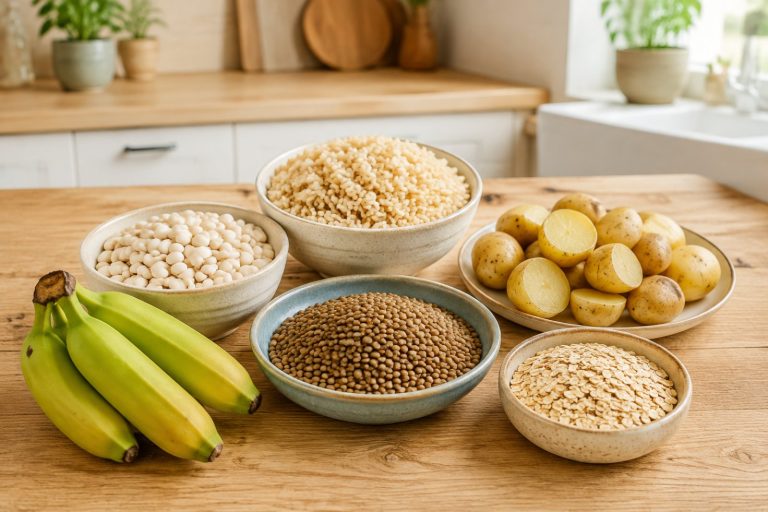
A mix of legumes, soy foods, grains, and seeds offers flexible choices for high-protein vegan meals.
What counts as a high-protein vegan food?
There is no single food that has to do all the work. For a vegan pattern, the most useful high-protein vegan foods are those you can use often in meals: lentils, beans, chickpeas, tofu, tempeh, edamame, soy milk, seitan, peas, quinoa, nuts, and seeds. MyPlate includes beans, peas, lentils, nuts, seeds, and soy products among vegetarian protein choices.
High-protein vegan foods to keep on hand
Tofu, tempeh, and edamame
Versatile soy foods work in stir-fries, grain bowls, sandwiches, soups, and snacks. Choose calcium-fortified tofu or soy milk when available if those nutrients matter in your eating pattern.
Lentils and beans
Brown or green lentils, black beans, kidney beans, and chickpeas are convenient pantry staples. Use canned varieties rinsed and drained, or cook batches for the freezer.
Seitan and pea-based foods
Seitan can be a protein-dense option for people who tolerate gluten. Pea-based foods may add variety, but check ingredient lists and sodium on packaged products.
Quinoa, nuts, and seeds
Quinoa adds substance to bowls and salads. Peanut butter, hemp hearts, pumpkin seeds, and other nuts or seeds are easy toppings; they also contribute fats and calories.
How to build high-protein vegan meals
Use a repeatable meal formula instead of chasing a perfect ingredient. A lentil-and-quinoa bowl with roasted vegetables, tahini, and fruit is one option. Another is tofu scramble with whole-grain toast, sautéed greens, and beans. For lunch, try a chickpea salad wrap with vegetables and hummus.
- Breakfast: fortified soy yogurt or soy milk with oats, berries, and hemp hearts; or tofu scramble with beans.
- Lunch: lentil soup plus whole-grain bread and a side salad; or a tempeh grain bowl.
- Dinner: tofu and edamame stir-fry with brown rice; or bean chili topped with pumpkin seeds.
- Snack: roasted chickpeas, hummus with vegetables, or apple slices with peanut butter.
Protein quality and variety in vegan eating
Plant foods differ in their amino-acid profiles and digestibility, so variety is helpful across the day. Legumes and soy foods are especially useful anchors, while grains, nuts, and seeds add complementary nutrition. Research reviews indicate that well-planned vegetarian and vegan diets can provide adequate protein for many adults, while older adults and people with higher needs may benefit from individualized guidance.
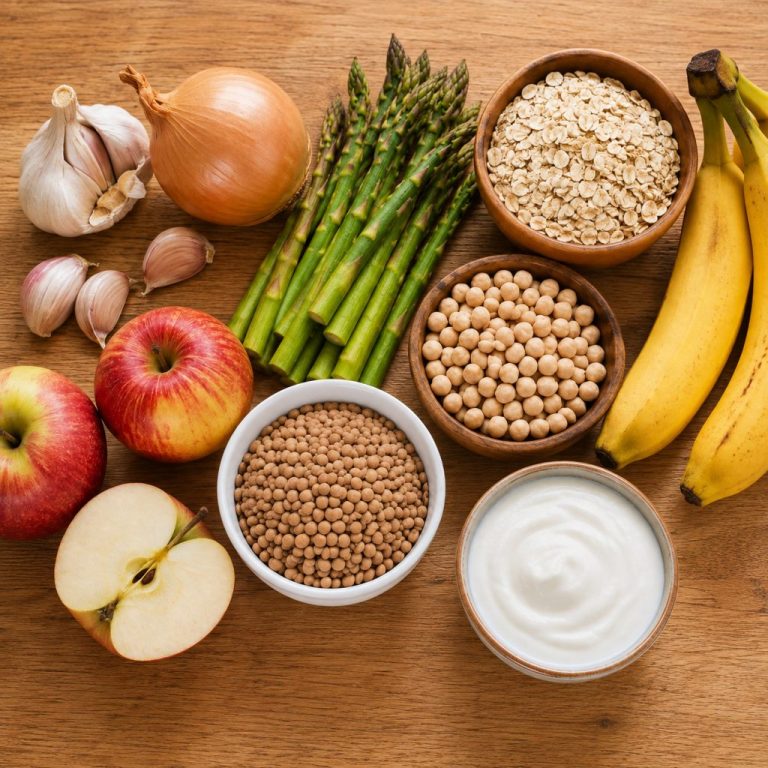
For digestive comfort, increase fiber-rich high-protein vegan foods gradually and drink fluids regularly. If you are new to legumes, smaller portions and well-rinsed canned beans can make the transition easier. You can also read our guide to resistant starch foods and meal ideas.
Shopping tips for high-protein vegan foods
Stock shelf-stable basics such as lentils, beans, chickpeas, nut butter, and seeds. Keep frozen edamame and vegetables on hand for quick meals. When choosing plant-based meat alternatives or protein powders, compare the nutrition facts panel, ingredient list, sodium, added sugars, and the serving size rather than relying only on front-label claims.
Safety and individual considerations
People with kidney disease, a history of eating disorders, food allergies, celiac disease, digestive disorders, pregnancy, or other medical conditions should seek individualized advice before making major dietary changes. Soy, peanuts, tree nuts, sesame, and wheat are common allergens; seitan contains gluten. Dietary supplements and protein powders are not a substitute for a varied food pattern, and the FDA does not approve dietary supplements for safety and effectiveness before they are marketed.
Frequently asked questions
What are the best high-protein vegan foods for beginners?
Tofu, lentils, canned beans, chickpeas, edamame, soy milk, peanut butter, and hummus are approachable options because they are widely available and easy to add to familiar meals.
Can you get enough protein from a vegan diet?
Many adults can meet protein needs with a well-planned vegan pattern that includes adequate food and a variety of protein-rich plant foods. Individual needs differ, so consult a clinician or dietitian for personal guidance.
Is tofu a good vegan protein source?
Yes. Tofu is a soy food that can be used in savory meals, smoothies, and desserts. Check the package for serving details and choose products that fit your dietary needs.
Are beans and lentils enough for vegan protein?
Beans and lentils are valuable staples, but a broader pattern including soy foods, grains, nuts, and seeds adds variety, nutrients, and meal flexibility.
Do vegan protein powders replace meals?
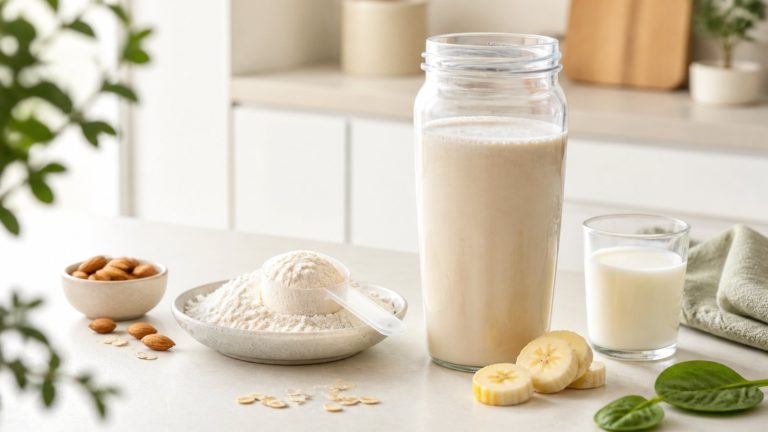
No. Protein powders may be convenient for some people, but they do not replace the vitamins, minerals, fiber, and food experience provided by varied meals. Review labels and discuss supplements with a healthcare professional when appropriate.
Sources
Medical disclaimer: This article is for general educational purposes and is not medical or individualized nutrition advice. Speak with a qualified healthcare professional about your personal needs, medications, or health conditions.