Prebiotic Ingredients: Foods, Benefits, and Safety
Prebiotic ingredients are components of certain foods and supplements that can be used by gut microbes. They may support a diverse, fiber-rich eating pattern, but they are not a cure for digestive symptoms or a substitute for individualized medical care.
What are prebiotic ingredients?
Prebiotics are nondigestible food components that can selectively support the growth or activity of desirable microorganisms in the gut. They are different from probiotics, which are live microorganisms. Common prebiotic ingredients include inulin, fructans and fructooligosaccharides (FOS), galactooligosaccharides (GOS), and resistant starch.
What happens after eating a prebiotic ingredient is not identical for everyone. Tolerance can vary with the specific ingredient, the amount, a person’s usual fiber intake, medicines, and digestive health. That is why a food pattern—not a single “gut health” product—offers a more useful place to start.
Prebiotics
Nondigestible ingredients that may be used by selected gut microbes.
Probiotics
Live microorganisms found in some foods and supplements.
Fiber-rich foods
Often provide multiple types of fiber and nutrients, not just one ingredient.
Prebiotic ingredient food sources
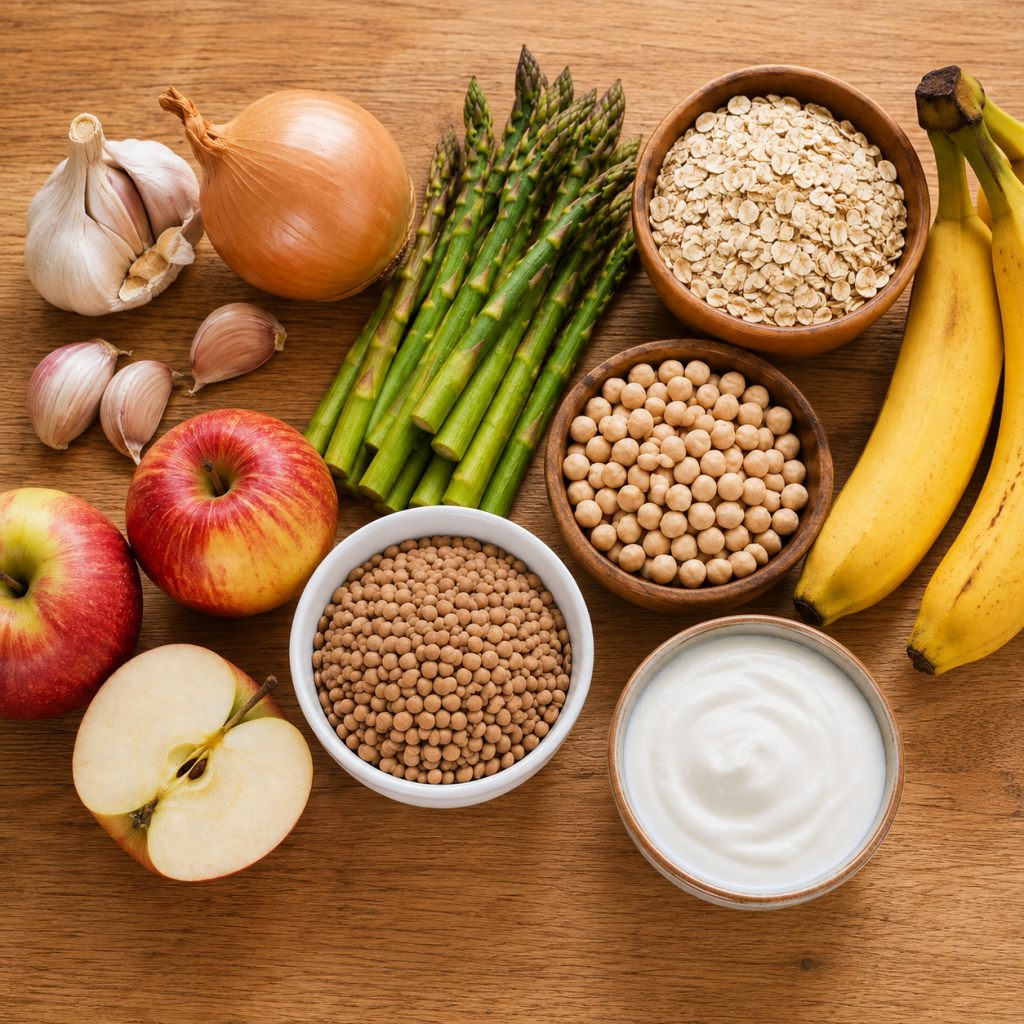
Many everyday plant foods contain compounds that can act as prebiotic ingredients. Exact amounts vary by food variety, ripeness, preparation, and serving size, so there is no need to chase a precise number at each meal.
| Food or ingredient | Examples | Simple way to use it |
|---|---|---|
| Fructans and inulin | Garlic, onions, leeks, asparagus | Add a small amount to soups, eggs, or grain bowls. |
| Resistant starch | Beans, lentils, oats; cooked-and-cooled potatoes, rice, or pasta | Try a chilled bean salad or leftover grain bowl. |
| Mixed fermentable fibers | Barley, apples, bananas, whole grains | Pair oats or barley with fruit at breakfast. |
Legumes, vegetables, fruit, and whole grains also contribute nutrients beyond prebiotic ingredients. A bowl of oats with fruit, lentil soup at lunch, or a vegetable-forward dinner can support variety without requiring a specialty supplement.
Potential benefits: keep expectations practical
Research supports the idea that prebiotic ingredients can influence microbial activity in the gut. However, a change in gut microbes is not automatically a proven treatment for a health condition. Benefits depend on the ingredient, dose, study population, and outcome being measured.
For example, the National Center for Complementary and Integrative Health notes that evidence for prebiotic supplements in irritable bowel syndrome has been limited. A review cited by NCCIH did not find improvement in digestive symptoms or quality of life in people with IBS or functional bowel disorders. If you have persistent symptoms, work with a qualified clinician instead of self-treating with a prebiotic powder.
How to add prebiotic ingredients gradually
A quick jump in fermentable foods can cause gas, bloating, cramps, or changes in bowel habits for some people. Start with one comfortable change and give it time before adding another. This slower approach can make it easier to identify foods that work well for you.
- Choose one addition, such as oats at breakfast or beans twice a week.
- Begin with a modest portion and increase only if comfortable.
- Drink fluids regularly, especially as overall fiber intake rises.
- Keep meals varied rather than relying on one “superfood.”
Prebiotic ingredients in supplements
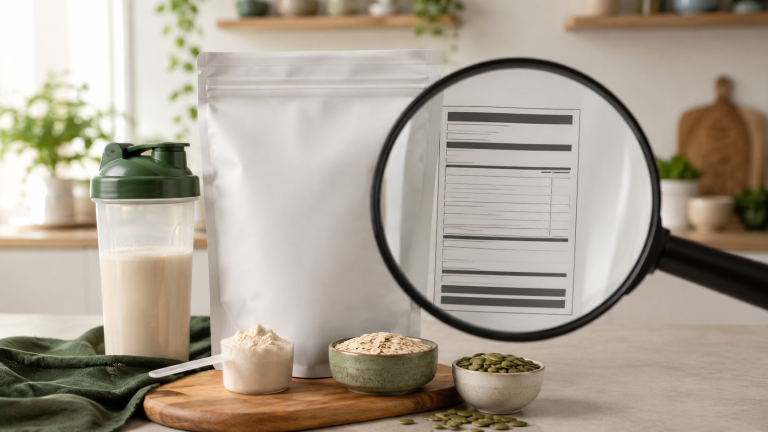
Prebiotic powders, gummies, and capsules may list inulin, FOS, GOS, acacia fiber, or resistant starch. A supplement is optional, not required for most people. Food first is often practical because whole foods bring a broader mix of nutrients and make gradual changes easier.
In the United States, dietary supplements are not approved by the FDA for safety and effectiveness before marketing. Read the Supplement Facts label, avoid products that promise to diagnose, treat, cure, or prevent disease, and talk with a clinician or pharmacist before using a supplement if you take medicine, are pregnant or breastfeeding, have a chronic condition, or are planning surgery.
For another food-based fiber option, see our guide to psyllium husk benefits, uses, and safety.
When to get medical advice
Talk with a health professional before making major changes if you have a diagnosed digestive condition, have had bowel surgery, or are following a restricted diet. Seek prompt care for severe or persistent abdominal pain, blood in stool, unexplained weight loss, fever, dehydration, or a major ongoing change in bowel habits.
FAQs about prebiotic ingredients
What are prebiotic ingredients?
They are nondigestible components in certain foods and supplements that can be used by selected gut microorganisms.
Are prebiotics the same as probiotics?
No. Probiotics are live microorganisms, while prebiotics are ingredients that may support the activity or growth of certain microbes.
Which foods contain prebiotic ingredients?
Examples include garlic, onions, leeks, asparagus, oats, barley, beans, lentils, bananas, apples, and some cooked-and-cooled starchy foods.
Can prebiotic ingredients cause bloating?
Yes, especially if they are added quickly or in larger amounts. Begin gradually and adjust based on your own tolerance.
Do I need a prebiotic supplement?
Not necessarily. Many people can begin with a varied pattern of fiber-containing foods. Ask a clinician or pharmacist before adding a supplement if you have medical conditions or take medicines.
References
- National Center for Complementary and Integrative Health: Probiotics—Usefulness and Safety
- NCCIH: Irritable Bowel Syndrome—What You Need To Know
- U.S. Food and Drug Administration: FDA 101—Dietary Supplements
- Dietary Guidelines for Americans
Medical disclaimer: This article is for general education only and is not medical advice, diagnosis, or treatment. Discuss symptoms, dietary restrictions, and supplements with a qualified health professional.