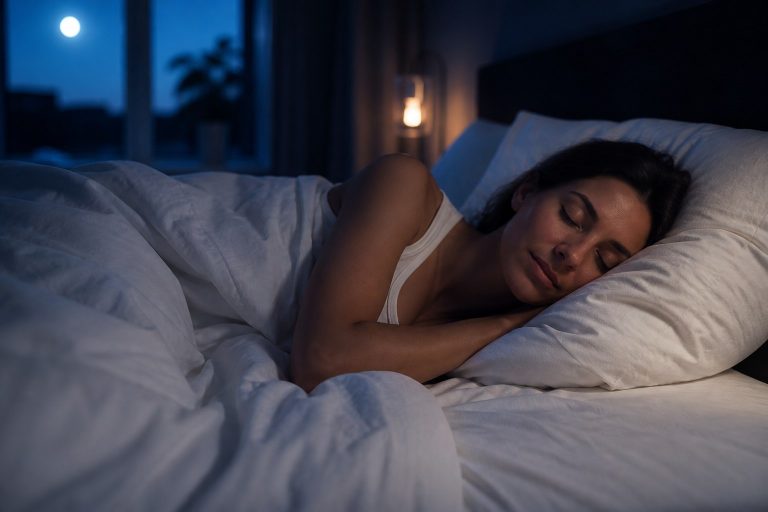
Better sleep after 50 guide
Better Sleep After 50: A Practical Guide to Rest
Better sleep after 50 often begins with a practical shift: treat disrupted sleep as a solvable health concern, not an inevitable part of getting older. Sleep may become lighter and more fragmented with age, yet persistent exhaustion, loud snoring, repeated awakenings, or difficulty staying asleep deserve attention.
Adults in their fifties may be balancing work, caregiving, pain, changing activity levels, new medicines, perimenopause or menopause, and travel. Those factors can affect the sleep-wake rhythm. After 65, the CDC lists a typical range of seven to eight hours; people ages 50–64 still generally need enough time for at least seven hours. Sleep quality and daytime function matter alongside the number on the clock.
Why Sleep Can Change After 50
The National Institute on Aging explains that older adults tend to sleep and wake earlier, spend less time in some sleep stages, and may wake more during the night. Medications, chronic conditions, pain, mental health, and sleep disorders also become more common contributors. None of these automatically means poor sleep cannot improve.
Common modifiable factors
- Late caffeine, alcohol, or heavy meals
- Irregular wake time or late naps
- Bright screens and notifications
- A too-warm, noisy bedroom
- Too little daytime movement
Clues to evaluate
- Loud snoring or breathing pauses
- Frequent bathroom trips
- Restless or uncomfortable legs
- Persistent pain or reflux
- Medication changes or daytime sleepiness
Better Sleep After 50: Seven Practical Steps
- Anchor the morning. Get up at roughly the same time daily. Morning outdoor light and a stable wake time help reinforce the body’s timing cues.
- Protect the sleep window. Work backward from wake time and allow enough room to sleep. Do not try to “catch up” every weekend by changing the schedule dramatically.
- Move regularly. Walking, strength work, balance practice, or another safe activity can support health and sleep. Ask a clinician for activity guidance if you have a new condition, pain, or fall risk.
- Move caffeine earlier. Sensitivity differs. Test an earlier final serving for one or two weeks if sleep is disrupted.
- Keep the bedroom comfortable. Quiet, darkness, comfortable bedding, and a moderate temperature reduce avoidable awakenings.
- Use a short wind-down. Dim lights, prepare for tomorrow, read, or listen to calm music. Our screen time and sleep guide can help with device boundaries.
- Review medicines with a professional. Some prescription and over-the-counter products can affect sleep. Do not stop or change them without clinician or pharmacist guidance.

Sleep Apnea, Restless Legs, and Frequent Waking
Sleep apnea causes repeated breathing pauses during sleep. Snoring can be a clue, but not everyone who snores has apnea and not everyone with apnea notices snoring. Morning headaches, dry mouth, gasping, frequent nighttime urination, fatigue, or sleepiness while driving are reasons to discuss symptoms with a clinician. A sleep study may be needed.
Restless legs syndrome can feel like uncomfortable tingling, crawling, or an urge to move the legs that is worse at night and improves with movement. Pain, reflux, urinary symptoms, and mood disorders may also fragment sleep. The right treatment depends on the cause, which is why a symptom diary is useful.
Better Sleep After 50 and Insomnia
If you struggle to fall asleep or stay asleep at least three nights per week and daytime life is affected, ask about insomnia. NHLBI describes cognitive behavioral therapy for insomnia (CBT-I) as a structured six- to eight-week approach and commonly recommended first option for long-term insomnia. It goes beyond general sleep tips by addressing sleep-related habits and worry.
Do not start a rigid sleep-restriction plan alone if you have bipolar disorder, seizures, untreated sleep apnea, or work that requires driving or safety-critical alertness. Individual guidance matters.
A Simple Sleep Diary
| Track | Record | Why |
|---|---|---|
| Schedule | Bedtime, wake time, naps | Shows regularity and sleep opportunity |
| Awakenings | Bathroom trips, pain, heat, snoring reports | Points toward specific contributors |
| Daytime function | Sleepiness, concentration, mood, driving alertness | Measures real-life impact |
| Context | Caffeine, alcohol, movement, new medicines | Reveals repeatable patterns |
Change one major habit at a time, then review several days rather than reacting to one night. For a broader routine, see our sleep optimization guide.
Frequently Asked Questions
Why do I wake up more after age 50?
Sleep may become lighter with age, but pain, medicines, alcohol, stress, urinary symptoms, sleep apnea, and movement disorders can also contribute. Frequent waking is worth discussing if it persists or affects daytime life.
How many hours of sleep do adults over 50 need?
Adults ages 50–64 generally need at least seven hours. CDC lists seven to eight hours for adults 65 and older. Individual needs differ, and quality and daytime alertness matter too.
Is melatonin safe after 50?
Short-term use appears relatively safe for many adults, but long-term safety is not established. It can cause daytime drowsiness and interact with medicines. Consult a clinician or pharmacist before using it.
Can sleep apnea start later in life?
Yes. Sleep apnea becomes more common with age. Loud snoring, gasping, morning headaches, frequent urination, and daytime sleepiness are reasons to ask a healthcare professional about testing.
When should I seek help for poor sleep?
Seek advice if symptoms last for weeks, impair daily activities, or occur with breathing pauses, severe sleepiness, pain, restless legs, mood changes, or unusual nighttime behavior.
References
- National Institute on Aging — Sleep and Older Adults
- National Institute on Aging — 6 Healthy Sleep Habits for Older Adults
- CDC — About Sleep
- NHLBI, NIH — Insomnia Treatment and CBT-I
- NCCIH — Melatonin: What You Need To Know
- NCCIH — Sleep Disorders and Complementary Health Approaches
- Applied Physiology, Nutrition, and Metabolism — Sleep Timing, Consistency, and Health
Medical disclaimer: This article is for general educational purposes only and is not a substitute for professional medical advice, diagnosis, or treatment.