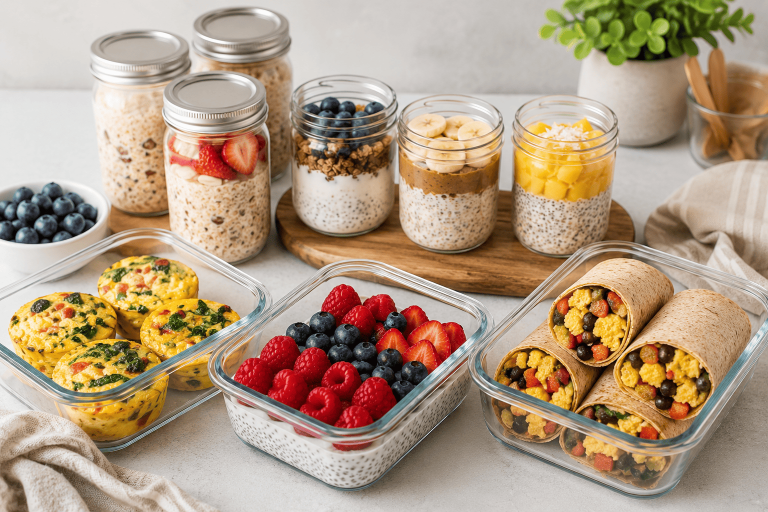
A high-protein breakfast for adults over 50 can be as simple as eggs with whole-grain toast, Greek yogurt with fruit and oats, cottage cheese with berries, tofu with vegetables, or oatmeal made with milk or fortified soy milk. Protein helps maintain and repair body tissues, including muscle, but there is no universal breakfast protein target for everyone over 50. Build the meal around quality protein, fiber-rich foods, and your overall nutrition needs.
Key Takeaways
- There is no official breakfast-specific protein requirement for adults over 50.
- Eggs, dairy foods, seafood, beans, lentils, tofu, soy foods, nuts, and seeds can all contribute protein.
- Older adults should pay attention to getting enough protein across the day, not just at breakfast.
- Research has not established that adding extra protein specifically at breakfast reliably improves muscle mass or strength in every older adult.
- Resistance training remains important alongside adequate protein when maintaining muscle and strength is a goal.
- Chronic kidney disease can change appropriate protein intake and requires individualized guidance.
Why Protein Matters After 50
Protein supplies amino acids that the body uses to build and repair muscle, connective tissue, skin, organs, enzymes, and other essential structures. Maintaining adequate intake becomes increasingly relevant as adults think about preserving physical function with age.
The National Institute on Aging encourages older adults to include protein throughout the day and to choose a variety of sources, including seafood, dairy or fortified soy foods, beans, peas, and lentils.
Breakfast offers one convenient opportunity to add protein, especially for someone whose usual morning meal consists mainly of toast, cereal, pastries, or coffee. It does not need to become the largest protein meal of the day.
Healthy-aging principle: focus on adequate protein across the entire day and pair it with regular resistance exercise instead of treating breakfast protein as a stand-alone anti-aging strategy.
How Much Protein Do Adults Over 50 Need?
The established adult Recommended Dietary Allowance for protein is 0.8 grams per kilogram of body weight per day. Turning 50 does not automatically create a separate federal protein RDA.
For example, an adult who weighs 70 kilograms, or about 154 pounds, would calculate 56 grams per day using the basic RDA formula. That number represents a general adequacy reference for healthy adults rather than a personalized performance or muscle-building target.
Activity level, calorie intake, illness, recovery, body size, appetite, and medical conditions can alter practical needs. Adults with demanding exercise programs or specialized nutrition goals may benefit from individualized guidance.
Remember: the protein RDA is a daily reference. It does not prescribe an exact number of grams that everyone should eat at breakfast.
Is There an Ideal Breakfast Protein Target After 50?
No U.S. federal guideline establishes one ideal breakfast protein amount for adults over 50. Studies have tested different meal amounts and distributions, but the findings do not support a single mandatory number for everyone.
A 2025 scoping review found that higher breakfast protein showed potential benefits for muscle mass in some adult studies, while findings for muscle strength remained unclear.
More recent research adds an important caution. A 2026 systematic review and meta-analysis of seven randomized trials involving adults age 60 and older found no clear improvement in lean mass, grip strength, lower-body strength, or physical performance from additional morning protein. The researchers rated the evidence as very uncertain.
The practical takeaway is simple: adding protein to a low-protein breakfast can make daily intake easier to achieve, but breakfast timing itself should not be presented as a proven muscle-building treatment.
What Makes a Balanced High-Protein Breakfast?
The 2025–2030 Dietary Guidelines for Americans emphasize whole, nutrient-dense foods such as protein foods, dairy, vegetables, fruits, healthy fats, and whole grains. A balanced breakfast can combine several of these categories without becoming complicated.
Simple formula: choose a meaningful protein source, add fruit or vegetables, include a whole grain or another fiber-rich food when desired, and add nuts, seeds, avocado, or another unsaturated-fat source according to appetite.
This approach provides more than protein alone. Fiber, vitamins, minerals, unsaturated fats, and other nutrients remain important parts of healthy aging.
Protein-Rich Breakfast Foods to Keep Available
- Eggs
- Plain Greek yogurt
- Cottage cheese
- Dairy milk or lactose-free milk
- Fortified soy milk or soy yogurt
- Tofu, tempeh, or edamame
- Beans, peas, or lentils
- Nuts, seeds, and nut or seed butter
- Protein powder when convenience makes it useful
Protein amounts vary by product and serving size. Nutrition Facts labels can help compare packaged foods.
Easy High-Protein Breakfast Ideas
Eggs, Whole-Grain Toast, and Vegetables
Use eggs as the protein base and add spinach, tomatoes, peppers, mushrooms, or leftover vegetables. Whole-grain toast and fruit can round out the meal.
Greek Yogurt With Berries and Oats
Combine plain Greek yogurt with berries, oats, walnuts, chia seeds, or another preferred topping. Frozen fruit works well when fresh produce is less convenient.
Cottage Cheese Breakfast Bowl
Pair cottage cheese with berries, peaches, pears, oats, nuts, or seeds. A savory bowl can use tomatoes, cucumber, herbs, and whole-grain toast.
Overnight Oats With Milk or Soy Milk
Prepare oats with dairy milk, fortified soy milk, or Greek yogurt. Add fruit, nuts, seeds, or nut butter and refrigerate overnight.
Tofu and Vegetable Scramble
Crumble tofu with vegetables and serve it with whole-grain toast, potatoes, or a whole-grain tortilla. This provides a plant-based protein option without requiring a powder.
Bean and Egg Breakfast Bowl
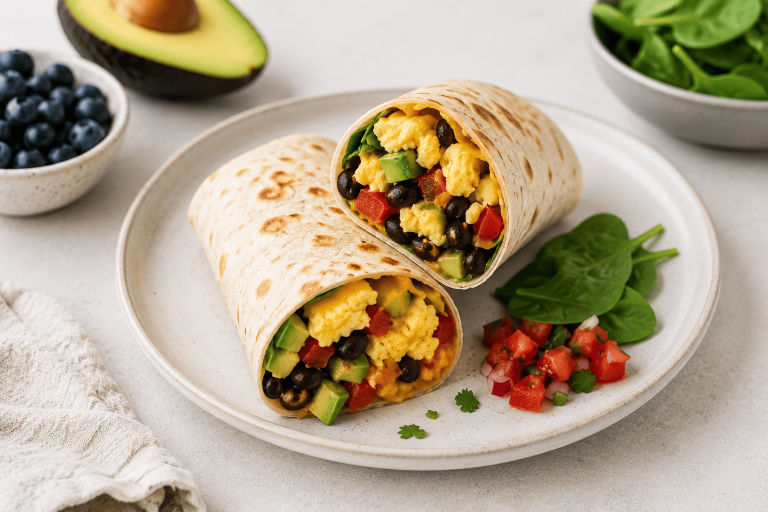
Combine eggs with black beans or another preferred bean, then add vegetables and salsa. Beans contribute both protein and fiber.
A Simple Breakfast Builder
| Choose | Examples |
|---|---|
| Protein base | Eggs, Greek yogurt, cottage cheese, tofu, beans, dairy milk, or fortified soy milk |
| Fruit or vegetable | Berries, bananas, apples, tomatoes, spinach, peppers, mushrooms, or other produce |
| Fiber-rich carbohydrate | Oats, beans, whole-grain toast, or a whole-grain tortilla |
| Healthy-fat option | Nuts, seeds, nut butter, avocado, or another unsaturated-fat source |
You do not need every category at every breakfast. Use the framework to make the meal more balanced without creating a complicated recipe.
Plant-Based High-Protein Breakfasts
Protein does not need to come primarily from meat. USDA includes beans, peas, lentils, nuts, seeds, eggs, and soy products within the Protein Foods Group, and the National Institute on Aging encourages variety.
- Tofu scramble with vegetables
- Overnight oats with fortified soy milk and nut butter
- Soy yogurt with berries, oats, nuts, and seeds
- Bean and avocado breakfast wrap
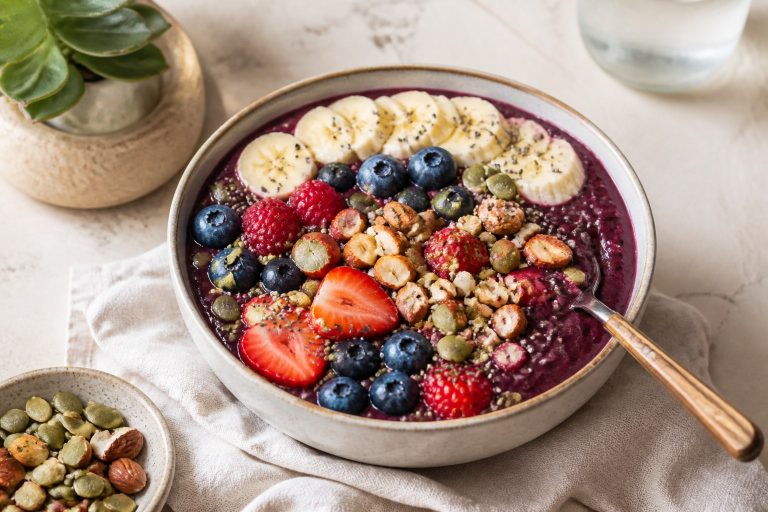
- Smoothie with fortified soy milk and optional plant protein powder
Compare labels on plant-based milks and yogurts because protein content can vary considerably between products.
Does a High-Protein Breakfast Help With Fullness?
Higher-protein meals can improve short-term fullness for some people. That can make breakfast feel more satisfying than a meal built mostly from refined carbohydrates.
Fullness does not guarantee lower calorie intake for the rest of the day, and a protein-rich breakfast does not automatically produce weight loss. Body weight reflects the overall eating pattern, activity, sleep, medications, health conditions, and other influences.
Use protein to make meals nutritionally useful and satisfying rather than treating it as a fat-loss shortcut.
Protein and Strength Training After 50
Protein provides amino acids for muscle tissue, but resistance exercise supplies a major stimulus for maintaining and improving strength.
Adding protein to breakfast can help someone distribute intake more evenly, particularly when breakfast previously contained very little. Current evidence does not show that morning protein alone reliably improves strength in older adults.
For muscle support, prioritize consistent resistance training, sufficient overall nutrition, adequate protein across the day, and recovery rather than searching for one perfect breakfast dose.
Do Adults Over 50 Need Protein Powder?
No. Protein powder is optional. Eggs, dairy foods, tofu, beans, soy foods, nuts, seeds, fish, poultry, and other ordinary foods can provide protein without supplements.
A powder can still be convenient when appetite is low, breakfast preparation is difficult, travel limits choices, or a person’s nutrition plan calls for more protein than is easy to obtain from regular meals.
Check serving size, protein amount, added sugars, sodium, and the ingredient list. Extra herbs, proprietary blends, digestive enzymes, or “anti-aging” ingredients do not automatically make a protein product better.
Protein and Kidney Health
Chronic kidney disease changes protein planning. NIDDK explains that using protein creates waste products that healthy kidneys remove from the blood.
Some people with chronic kidney disease may need moderate protein intake so waste does not accumulate, while eating too little can contribute to poor nutrition. People receiving dialysis may have different needs because dialysis can remove protein from the blood.
Anyone with reduced kidney function should avoid adopting an aggressive high-protein diet based only on general fitness or healthy-aging advice.
Kidney-health caution: work with a clinician or registered dietitian to determine an appropriate protein amount when chronic kidney disease is present.
Common High-Protein Breakfast Mistakes
Assuming More Protein Is Always Better
Protein is essential, but extremely large portions do not automatically provide additional benefit. Match intake to your overall needs.
Ignoring Fruits, Vegetables, and Whole Grains
A meat-only or shake-only breakfast can crowd out fiber-rich foods. Protein should fit inside a varied eating pattern.
Relying on Processed Meat Every Morning
Bacon, sausage, and processed deli meats are not required for a high-protein breakfast. Rotate eggs, dairy foods, beans, tofu, nuts, seeds, and other less processed options.
Treating Breakfast Timing as a Muscle Hack
Current research does not show that eating extra protein specifically in the morning reliably improves muscle mass or strength for every older adult. Daily intake and resistance training remain important.
Assuming Protein Powder Is Required After 50
Powder can improve convenience but does not provide a unique age-related benefit that ordinary protein-rich foods cannot offer.
When to Get Individual Nutrition Guidance
General breakfast ideas work for many healthy adults. Individual guidance becomes more important when health, appetite, or training changes nutritional needs.
- You have chronic kidney disease or reduced kidney function.
- You have unexplained weight loss or reduced appetite.
- Chewing or swallowing problems make meals difficult.
- You are recovering from major illness, injury, or surgery.
- You train intensively for strength or endurance.
- A medical condition requires limits on protein, sodium, potassium, phosphorus, carbohydrates, or total calories.
Frequently Asked Questions
The Bottom Line
A high-protein breakfast for adults over 50 does not require an extreme protein target or expensive supplement. Start with eggs, Greek yogurt, cottage cheese, tofu, beans, dairy milk, fortified soy milk, or another substantial protein source, then add fruit, vegetables, whole grains, nuts, or seeds to create a balanced meal.
Breakfast can help distribute protein across the day, but current research does not prove that extra morning protein alone reliably preserves muscle or strength. Pay attention to total nutrition, regular resistance training, adequate calories, and individual medical needs. Protein powder remains optional, and chronic kidney disease requires a more individualized approach.
Medical disclaimer
Medical disclaimer: This content is for educational and informational purposes only and is not a substitute for professional medical advice, diagnosis, or treatment. Dietary needs and supplement suitability vary by individual.
Sources
- U.S. Department of Health and Human Services and U.S. Department of Agriculture. Dietary Guidelines for Americans, 2025–2030. 10th Edition. January 2026.
- National Institute on Aging. Healthy Meal Planning: Tips for Older Adults. Reviewed November 23, 2021. Accessed September 2026.
- National Institute on Aging. Healthy Eating As You Age: Know Your Food Groups. Accessed September 2026.
- U.S. Department of Agriculture. MyPlate: Protein Foods Group. Accessed September 2026.
- National Institute of Diabetes and Digestive and Kidney Diseases. Healthy Eating for Adults With Chronic Kidney Disease. Accessed September 2026.
- Khaing IK, Tahara Y, Chimed-Ochir O, Shibata S, Kubo T. Effect of Breakfast Protein Intake on Muscle Mass and Strength in Adults: A Scoping Review. Nutrition Reviews. 2025;83(1):175–199.
- Protein or Amino Acid Intake at Breakfast for Muscle Mass Gain in Older Adults: A Systematic Review and Meta-Analysis. 2026. Seven randomized controlled trials involving 305 adults age 60 and older.