Nutrition & Supplements
Whey vs Plant Protein: How to Choose
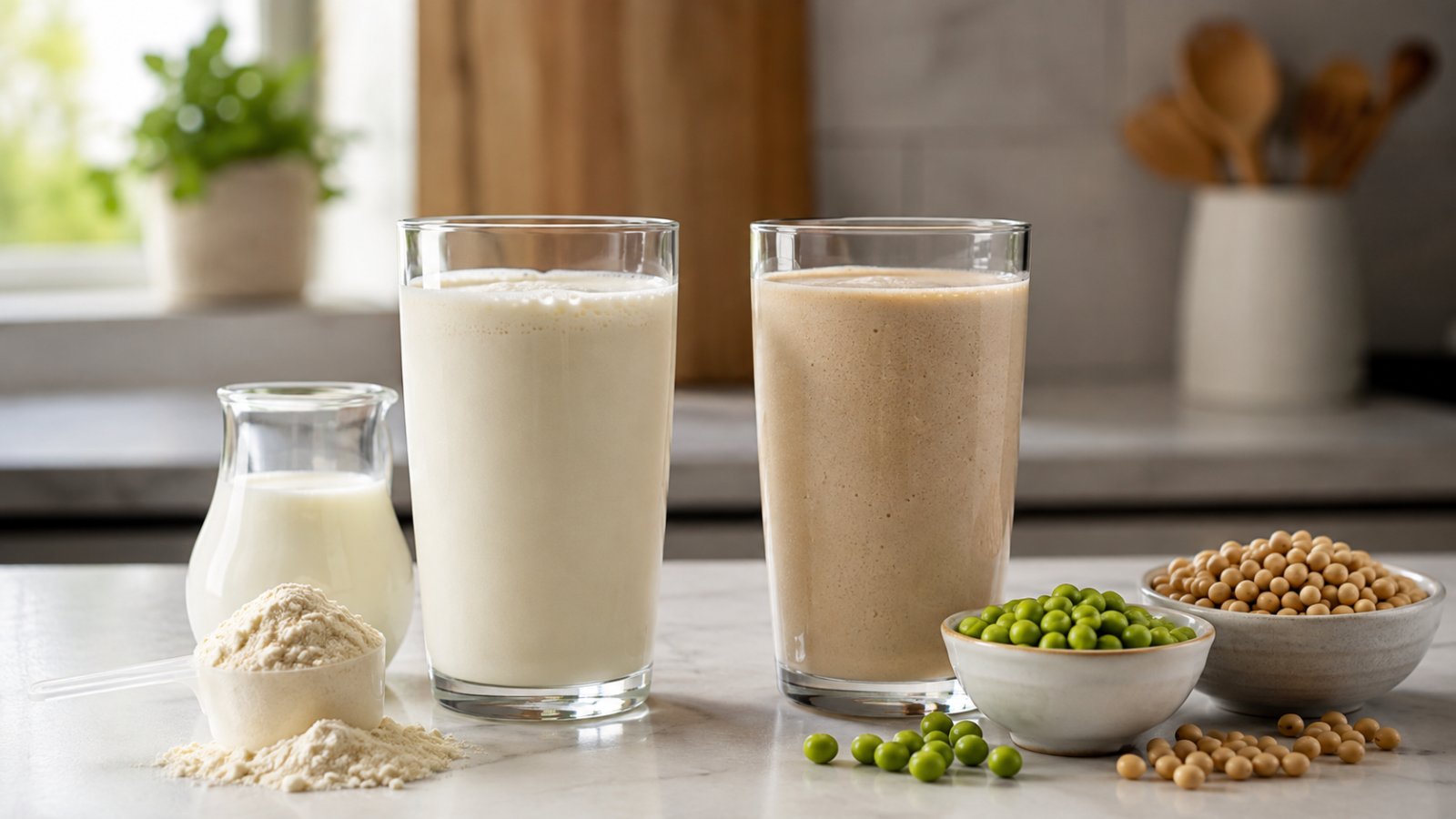
Whey vs plant protein is less about finding one universal winner and more about choosing a product that fits your diet, allergies, preferences, and total protein intake. Whey is made from milk; plant protein powders may use soy, pea, rice, hemp, or blended sources.
Quick answer: which protein powder is right for you?
Whey may suit people who consume dairy and tolerate milk ingredients. Plant protein may suit vegans, people avoiding dairy, or those who prefer plant-based foods. Both can be convenient, but neither replaces a varied dietary pattern. Check the label for protein amount, serving size, sweeteners, sodium, allergens, and third-party testing.
Whey vs plant protein: key differences
| Feature | Whey protein | Plant protein |
|---|---|---|
| Source | Milk-derived | Soy, pea, rice, hemp, or blends |
| Allergen consideration | Contains milk | May contain soy, nuts, or other allergens |
| Diet fit | Not vegan | Can be vegan, depending on ingredients |
| Label focus | Lactose, milk allergen, added ingredients | Protein source, allergens, added ingredients |
Understanding protein quality
Protein supplies amino acids that the body uses to build and maintain tissues. NIH notes that whey is a milk protein that provides all essential amino acids. Soy also provides all essential amino acids, while other plant powders may be blended to vary their amino-acid profile. Rather than relying on marketing claims, use the label and your overall meal pattern to guide your choice.
When whey protein may fit
Whey can be a convenient choice for dairy-eating adults, particularly when meals are difficult to plan around activity or a busy schedule. Whey isolate is usually more filtered than concentrate and may contain less lactose, but it remains milk-derived. Anyone with a milk allergy should avoid whey unless their clinician says otherwise.
When plant protein may fit
Plant protein powders can support a vegan dietary pattern and may be useful for people who avoid dairy. Pea, soy, and blends are common options. For food-first choices, beans, lentils, tofu, tempeh, nuts, seeds, and whole grains also contribute protein and other nutrients. See our guide to high-protein vegan foods for meal ideas.
How to compare products safely
- Compare grams of protein and serving size.
- Review added sugars, sodium, calories, sweeteners, and the complete ingredient list.
- Confirm milk, soy, or other allergen information.
- For sport use, consider a product with credible independent testing.
- Discuss regular supplement use with a clinician if you have kidney or liver disease, take medication, are pregnant or breastfeeding, or have other health concerns.
Frequently asked questions
Is whey protein better than plant protein?
No single choice is best for everyone. Whey may suit people who tolerate dairy; plant protein may suit vegan or dairy-free diets. Ingredients and total diet matter.
Is whey protein vegan?
No. Whey is derived from milk.
Is soy protein a complete protein?
Yes. Soy provides all essential amino acids. Other plant powders can vary by source and formulation.
Can protein powder replace meals?
No. Protein powders can be convenient but do not replace the broader nutrients and food experience of balanced meals.
What should I check on a protein powder label?
Check serving size, protein amount, calories, added sugars, sodium, full ingredients, allergen statement, and relevant third-party testing.
References
Medical disclaimer: This article is for educational purposes only and does not replace medical or personalized nutrition advice.